The right page depends on who holds the crayon: preschoolers need bold outlines and big spaces, while older kids and adults can handle a geometric grid or a detailed garden of roses and butterflies.
Options range from heart-shaped balloons and simple bold shapes to geometric grids and detailed garden roses, and some pages double as cards once colored.
1. Build a Bouquet of Flowers
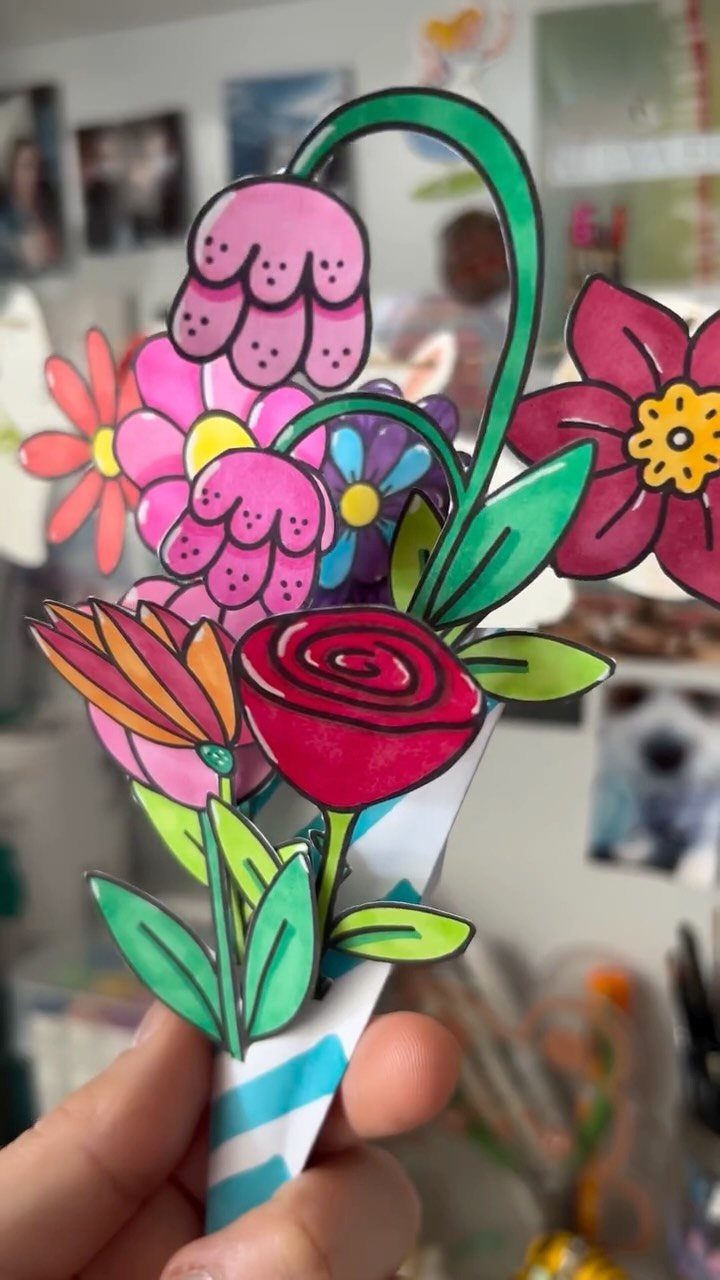
A coloring page that lets kids build the bouquet themselves suits a classroom or a rainy afternoon better than a flat sheet of flowers does. Color the blooms, cut them out, and tuck them into a cone.
Cut after coloring, not before. Small hands handle a full sheet more easily than loose petals.
2. Valentine’s Day Card
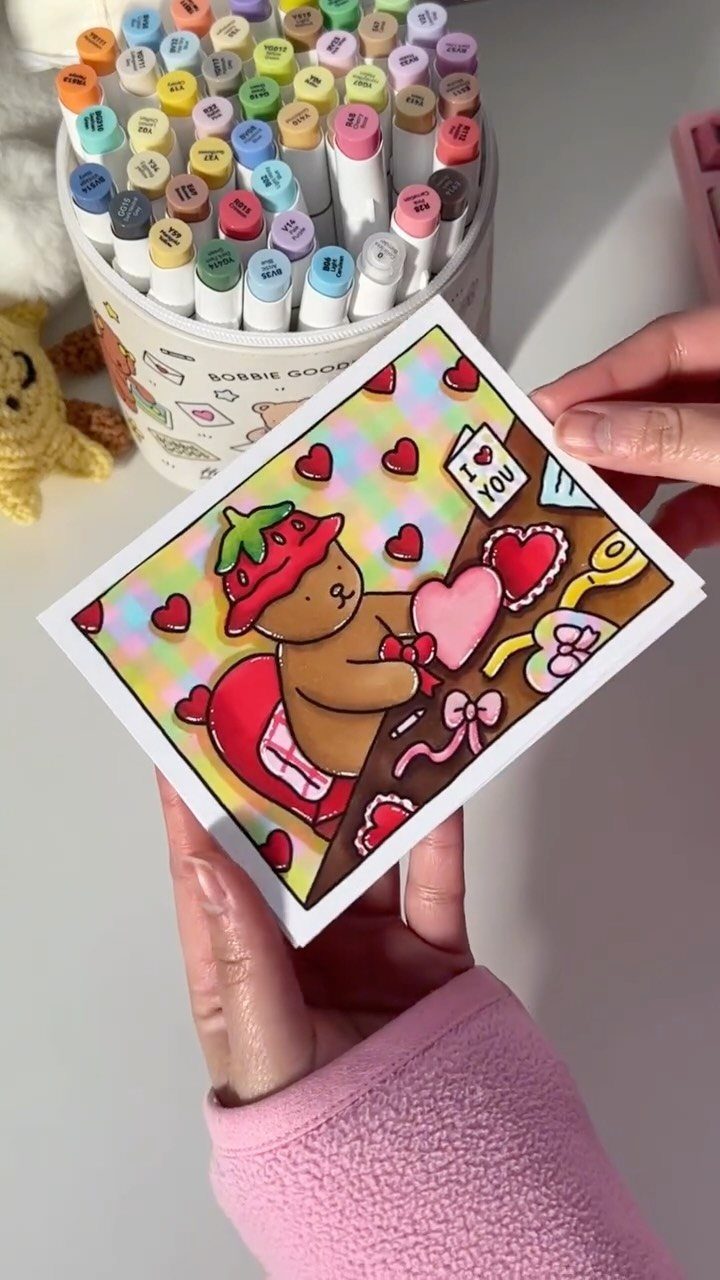
Cards are the most useful page because the finished piece has somewhere to go.
A bear in a strawberry hat with "I LOVE YOU" across the front gives a child a short message to read and a picture to color, so the card is done when the coloring is.
Print on cardstock if you have it, since plain paper curls under markers. The maker says this series is meant to work all year, so a page saved now still has a use in June.
And even the big kids at home will oh-so-casually grab a crayon if you put a box in front of them. So if you’re trying to think of a Valentine’s Day activity for all ages, coloring is a good one.
3. Cute Animal Valentines
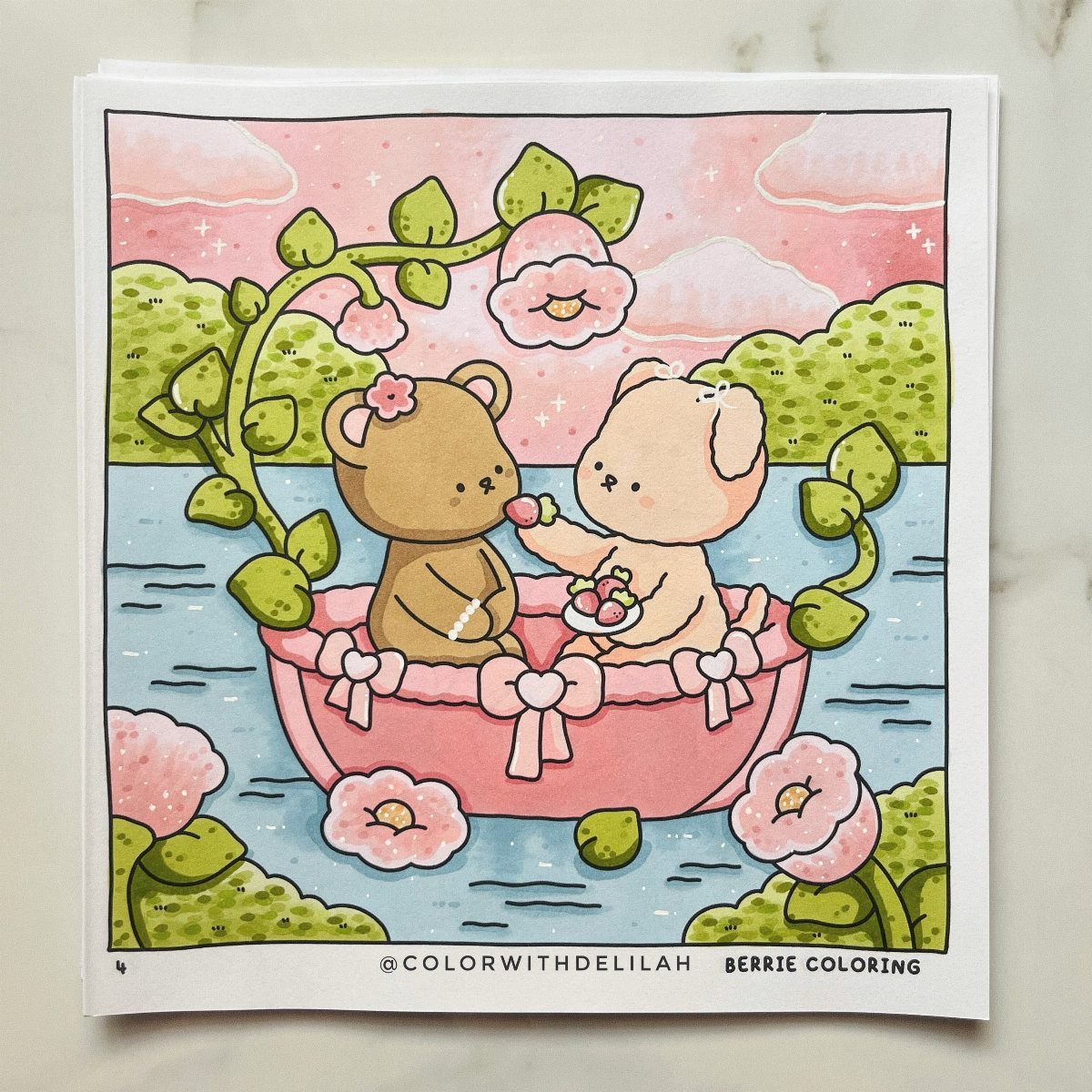
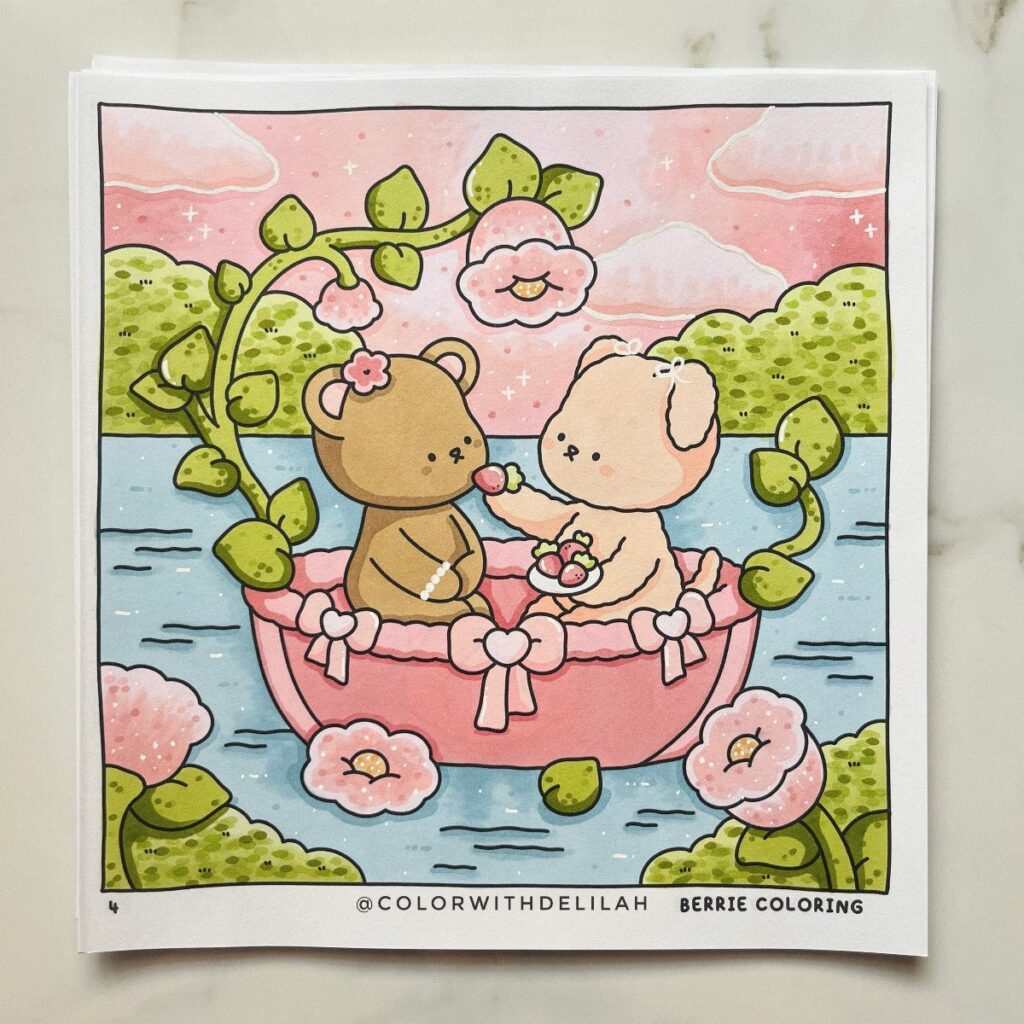
2 bears in a pink heart-shaped boat, ringed with flowers, show why animals beat plain hearts for younger kids: every figure is a character to give colors to.
Pages like this also give plenty of small flower shapes, which keep a child busy longer than one big space would.
For a class, print a few different animal scenes so neighbors don’t end up with identical sheets. Cost is just paper and whatever crayons are already in the bin.
4. Bold Outlines and Simple Shapes Coloring Pages
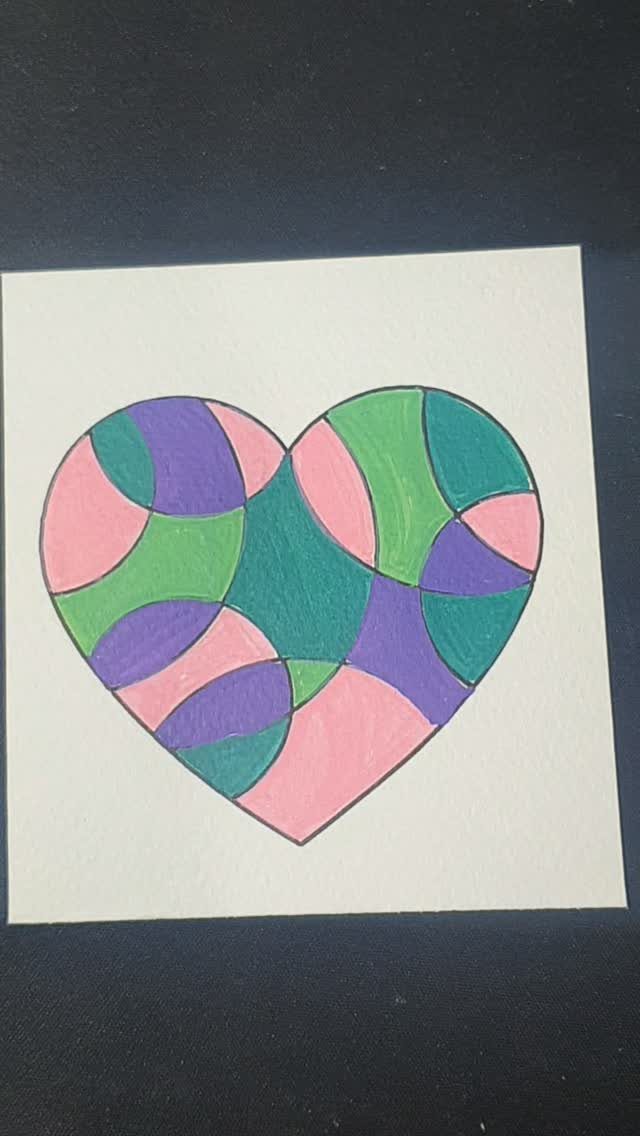
Big spaces forgive wobbly coloring, and fat lines give a clear edge to stop at.
Three bright colors is a good limit to copy: set out three crayons or markers per child and the page finishes fast and looks bold.
Adults who want a calm break will like it too. Print it on white paper so the colors stay clean.
5. Heart-Shaped Balloons
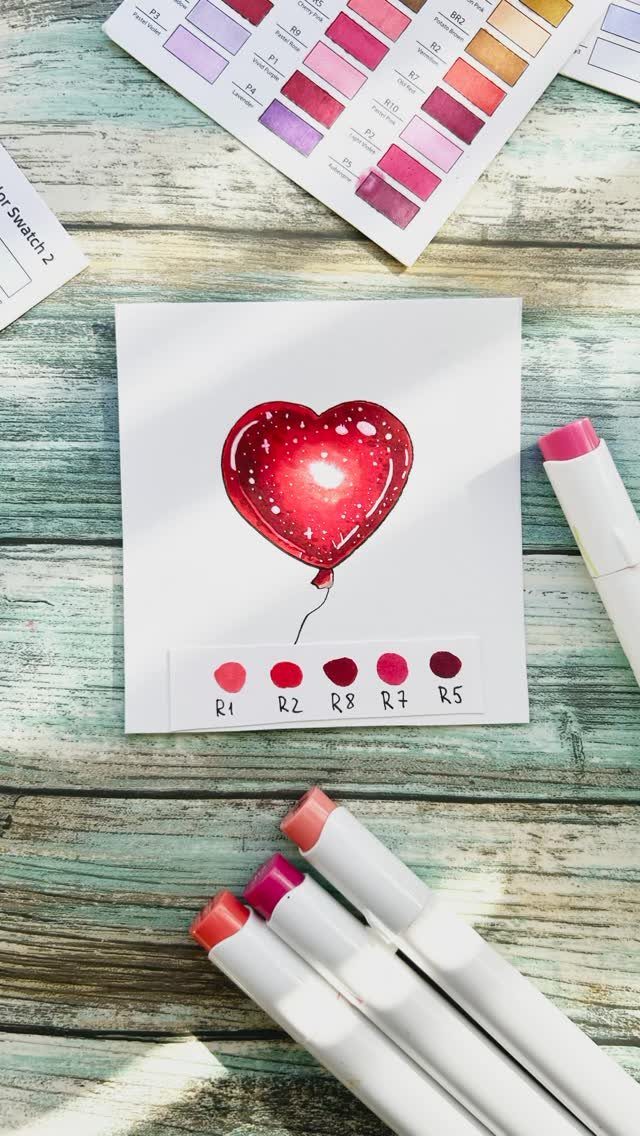
A single red heart balloon is a fine first page for practicing shading, because one shape and one color family teaches more than a busy scene.
Try that with a set of reds, light to dark, and let older kids build a glossy highlight. Younger kids can fill it in solid and still end up with a good-looking balloon.
6. Garden Roses and Butterflies
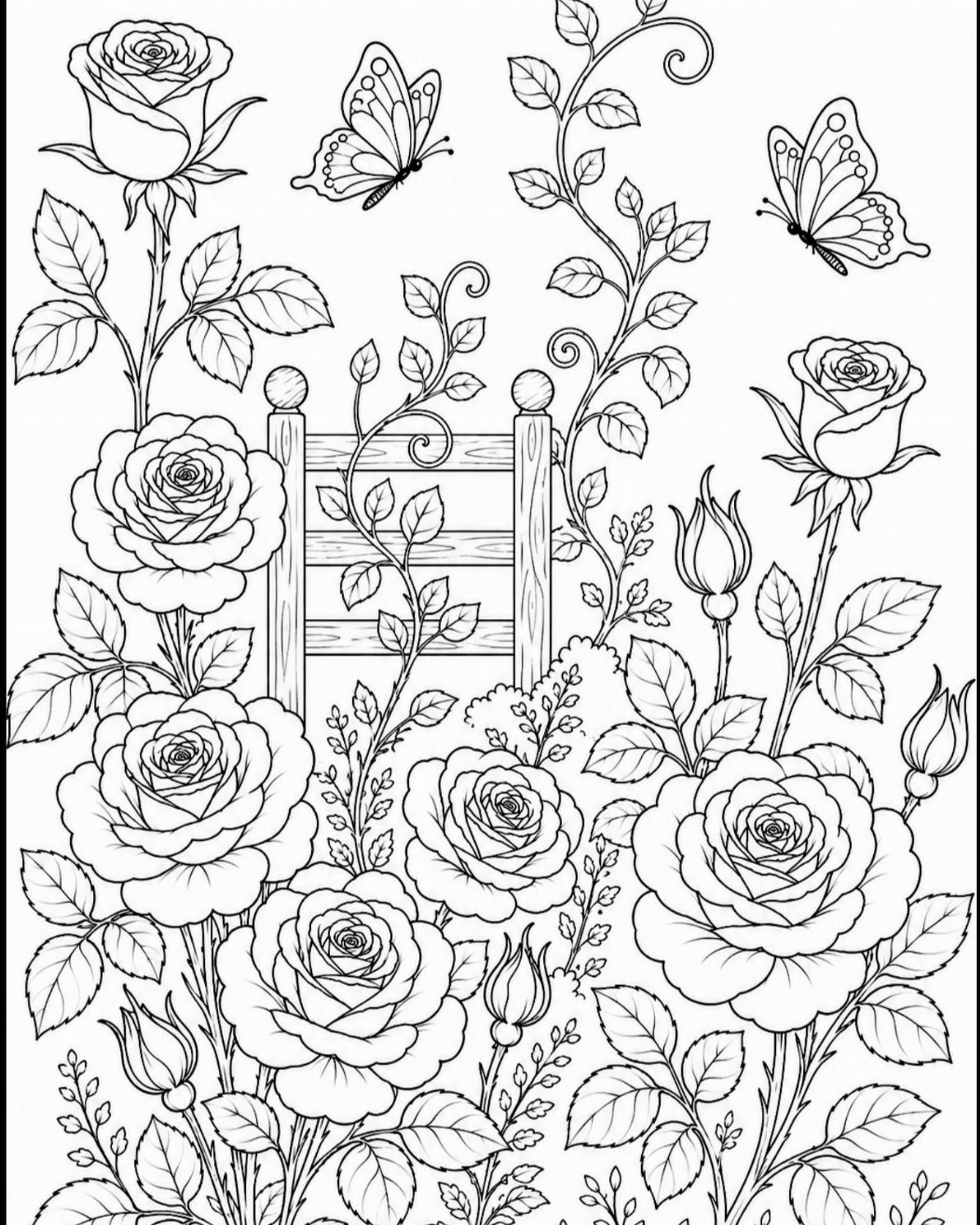
Roses, 2 butterflies, and a small wooden fence make a line drawing with enough detail to hold an older child or an adult for a full sitting.
Lots of petals and wing patterns reward fine-tip markers and colored pencils over chunky crayons.
I would pick this one for upper elementary kids and grown-ups, and skip it for preschoolers, who may tire of the small spaces.
Print it at full page size so the petals have room, and let the fence be the easy part.
7. Geometric Heart Grid Pages
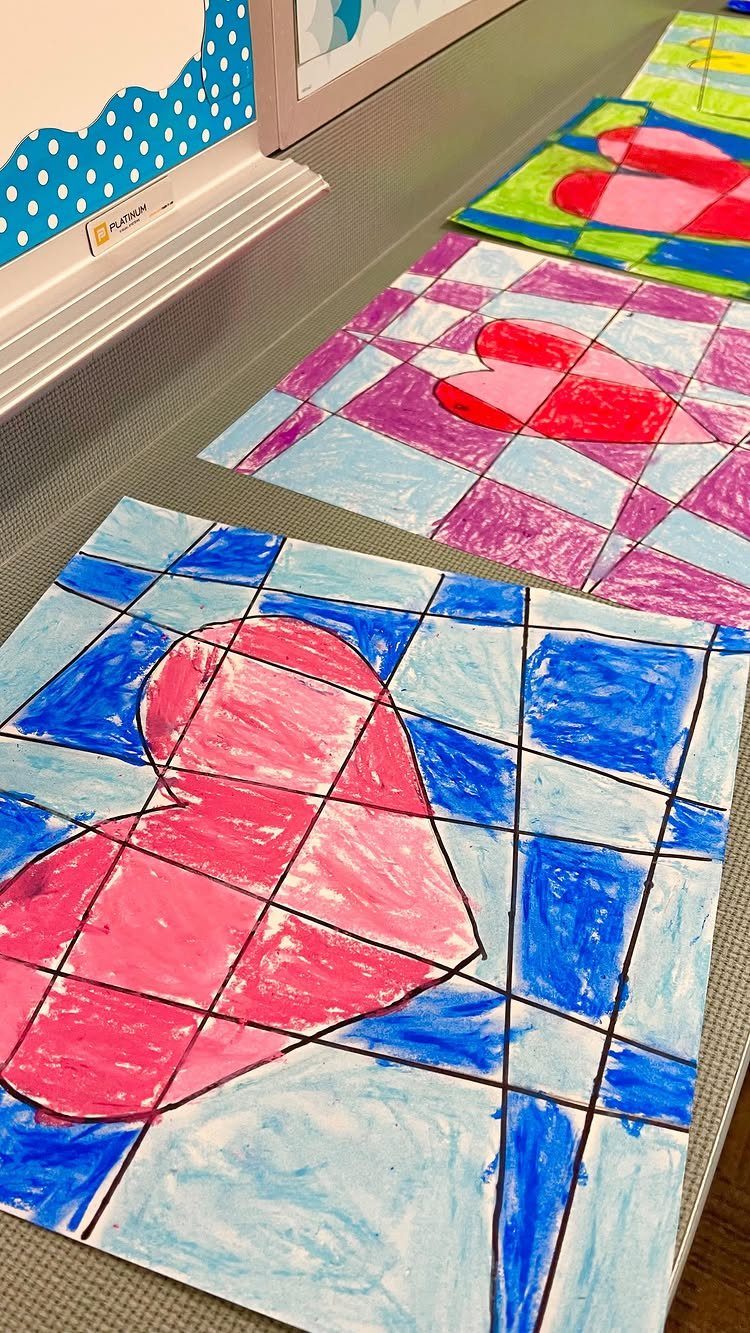
A central heart set inside a grid of small squares gives a child dozens of tiny decisions, and that is why this page works for kids who finish a plain heart fast.
Each square can take its own color or pattern, so no 2 pages come out alike.
I would offer fine-tip markers or colored pencils here, since the squares are small. Let the child pick the heart color first, then fill the grid around it in contrasting shades so the heart stays the focus.
Print a few copies per child. Grid pages are easy to restart if one square goes wrong.
Benefits of Coloring Pages
Coloring asks very little of a parent and gives a lot back. A printed page needs no setup, can be dropped whenever a kid loses interest, and has no steps to follow or results to grade.
For small hands, the benefits are real. Gripping a crayon and guiding it with purpose builds the small muscles in the hands and wrists.
Picking between 2 shades of red is practice in making a decision. Finishing a page alone builds confidence.
Pages with words on them, like "LOVE" or "BE MINE," add an early reading benefit.
When a child colors in a word like LOVE, the letter shapes start to stick, and so does the idea that marks on a page mean something.
Coloring is also quiet, and that gives a child a calm way to work through feelings. A free Valentine coloring page doesn’t have to become a finished craft project to be worth the time you spend on it.
Using Coloring Pages as Cards
Any finished page can become a card with a little cardstock and glue. For a classroom batch of valentines, cut out the finished hearts or characters and glue each one to the front of a folded sheet of paper.
Writing adds the personal touch.
On the back, a child can finish the sentence "I love you because" with one thing they like about the person getting the card. Short and specific beats long and generic.
To give a card some texture, glue a colored heart to the front and layer on sequins, scraps of lace, or torn tissue paper. Let the glue dry flat before the card gets folded or handed over.
Easy Printing Tips
Set your printer to its "High Quality" setting before you print. It gives darker, cleaner lines, and bold outlines are what a child colors against.
Choose the paper by the tool.
Crayons and colored pencils are fine on standard paper. Markers and paint soak through thin paper, so a lightweight cardstock is the safer choice for those.
Use "Fit to Page" so nothing gets clipped at the edges. Print one test copy first, then run the rest.
Frequently Asked Questions
Can I use these printables for my classroom?
Yes, classroom printing is fine as long as you don’t alter the pages. Print several designs so each table has variety.
Are these coloring pages really free?
Personal and classroom use costs nothing.
Home and classroom printing both count, and all you pay for is paper and coloring tools. Cardstock is optional, though it holds up better under markers.
What age group are these pages suitable for?
Different pages fit different ages, from preschoolers to adults.
Bold outlines with big spaces and animal characters suit younger kids, since wobbly coloring still looks good. Garden roses with butterflies or geometric heart grids need fine-tip markers and patience, which puts them in the 10-and-up range.