Open flame decides most of this list: the ideas run from paper lanterns and battery-lit Mason jars to engraved stainless steel plates and Ganesha and Lakshmi idols, and each one either burns or doesn’t.
If children or pets will be moving around the party, pick battery tea lights or the Mason jar lanterns over open diyas.
1. Marigold Garlands
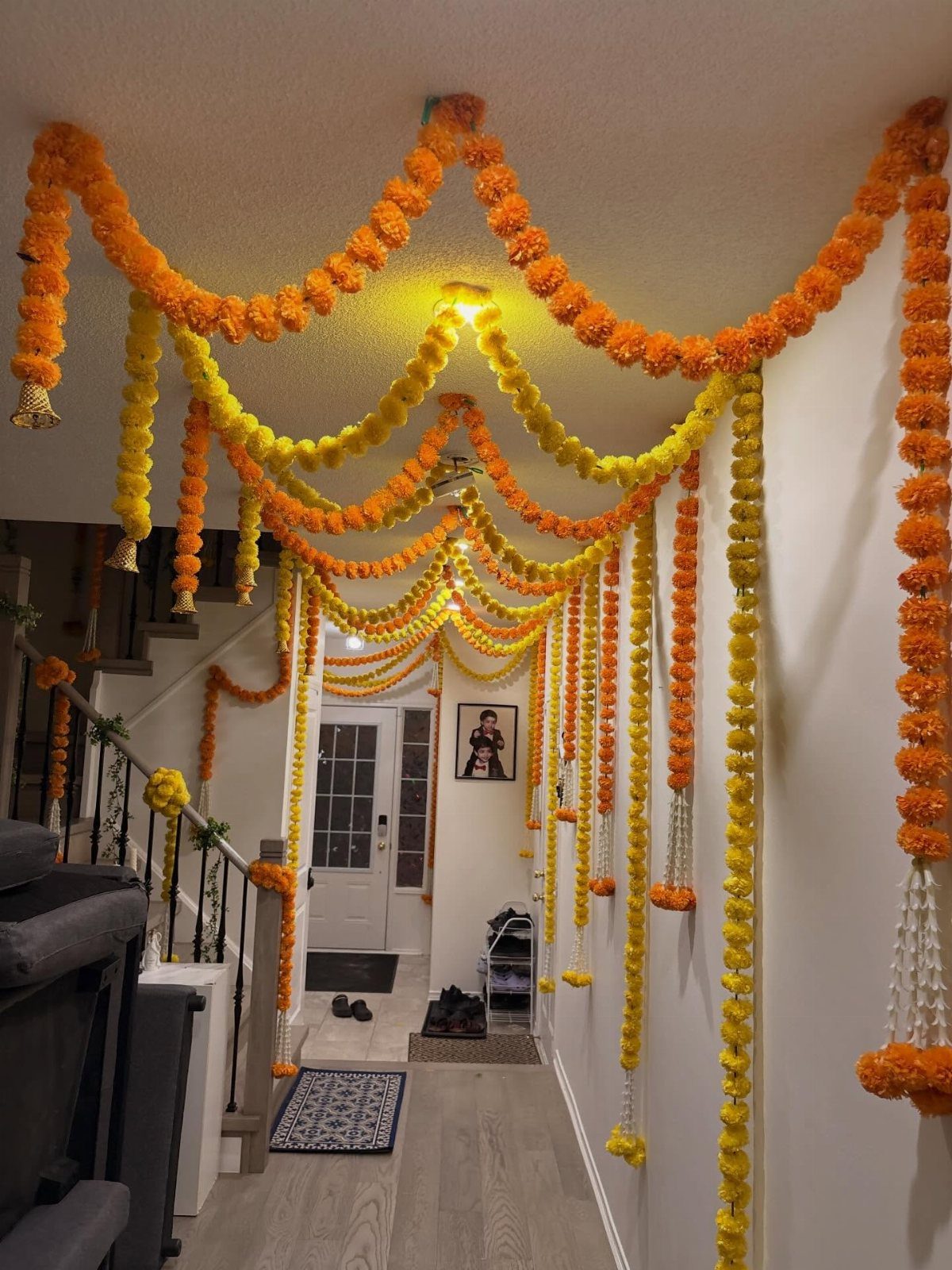
Orange and yellow marigolds read as purity and prosperity, which is why a hallway lined with them feels like a welcome before anyone steps inside.
Hang them across the ceiling and down the walls toward the front door so the garland guides guests in. Strings of marigolds cost little, and one long run covers a lot of space for a small budget.
2. Diya Lamp Centerpiece
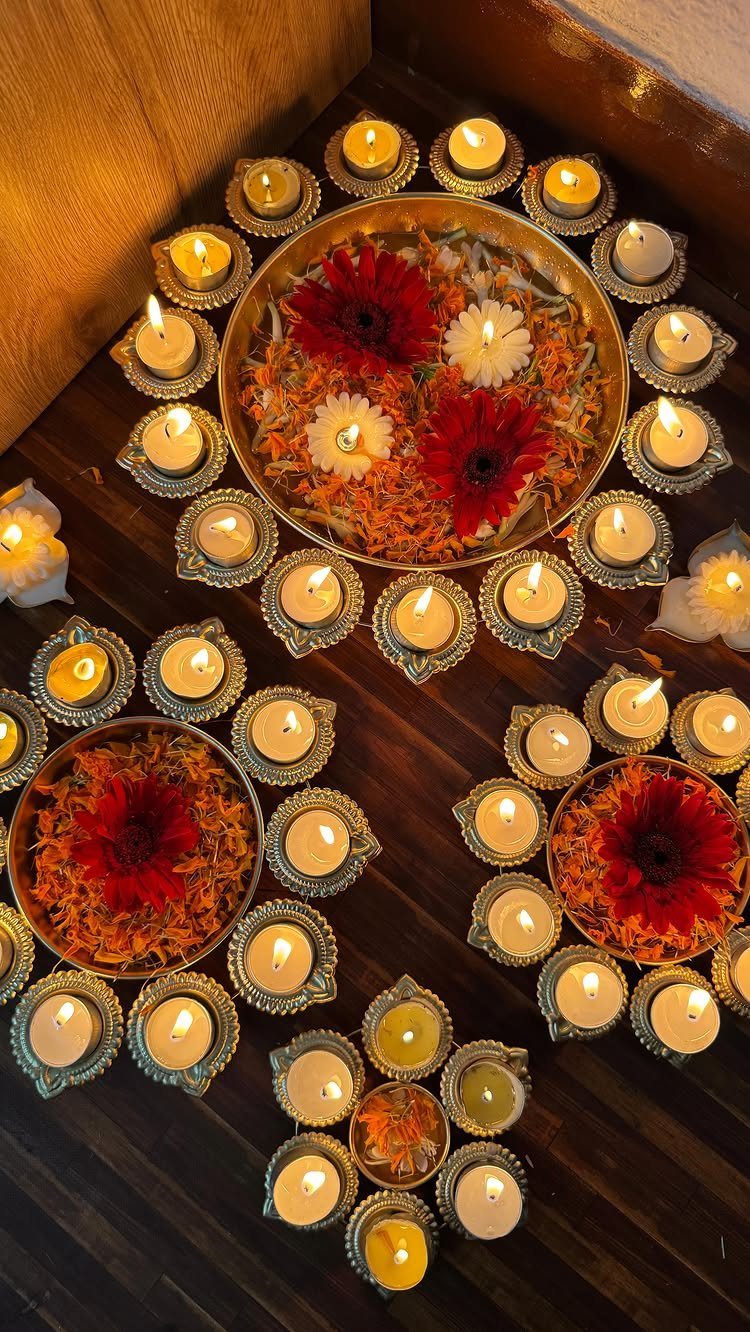
A few lit diyas set around bowls of flowers make a centerpiece that needs no craft skill, only arranging.
Gold bowls on a dark wood surface give the flames strong contrast.
I like three bowls grouped together over one large one, because the cluster looks fuller and you can rearrange it in a minute. Keep the diyas a hand’s width from the petals.
3. Paper Lanterns
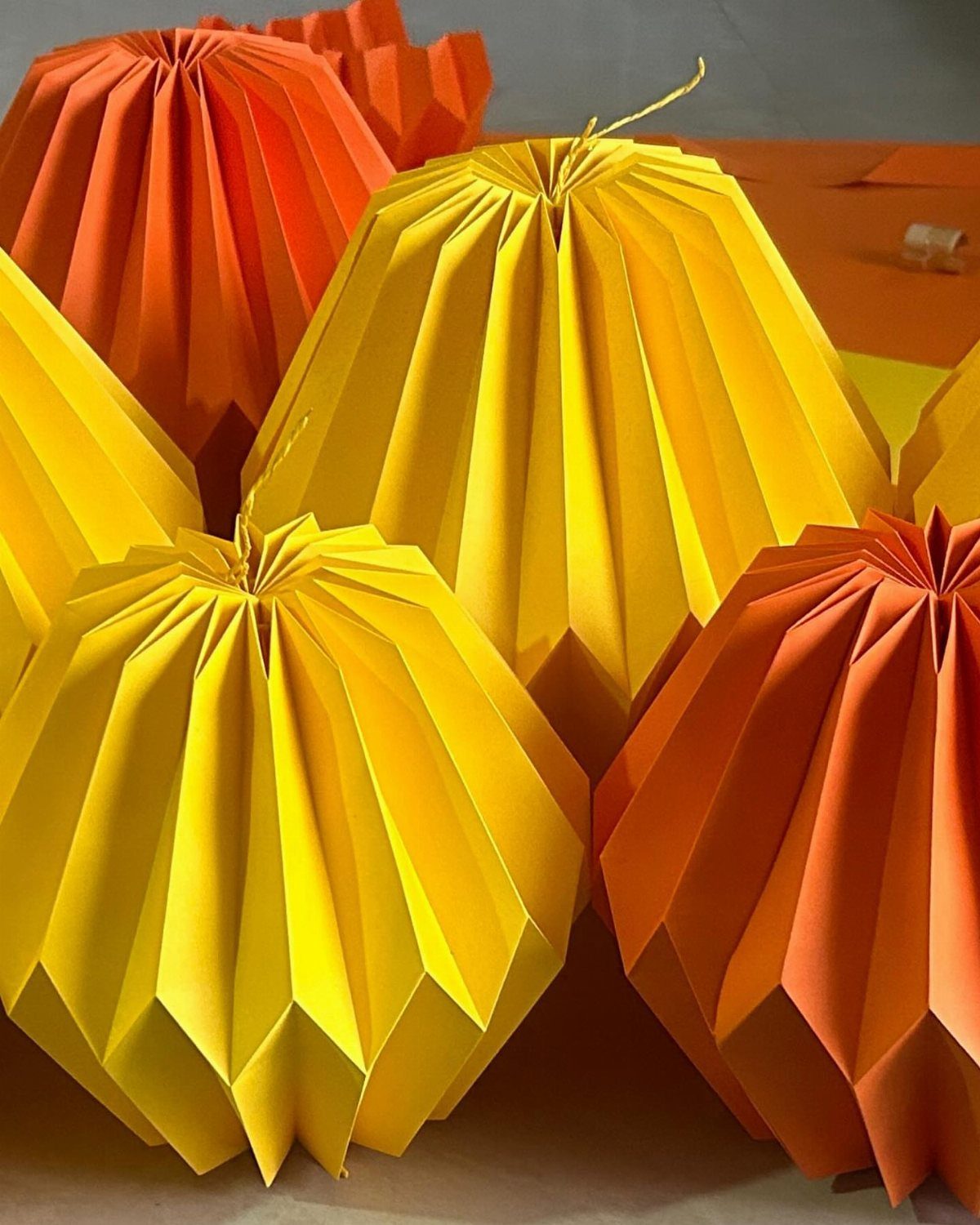
Pleated paper lanterns are the cheapest way to add color in bulk, and yellow and orange ones clustered together look like a single big decoration.
Group them closely on a shelf, sideboard or table rather than spacing them out. Store-bought ones fold flat, so setup takes minutes and you can pack them away for next year.
4. Tea Light Candle Holders
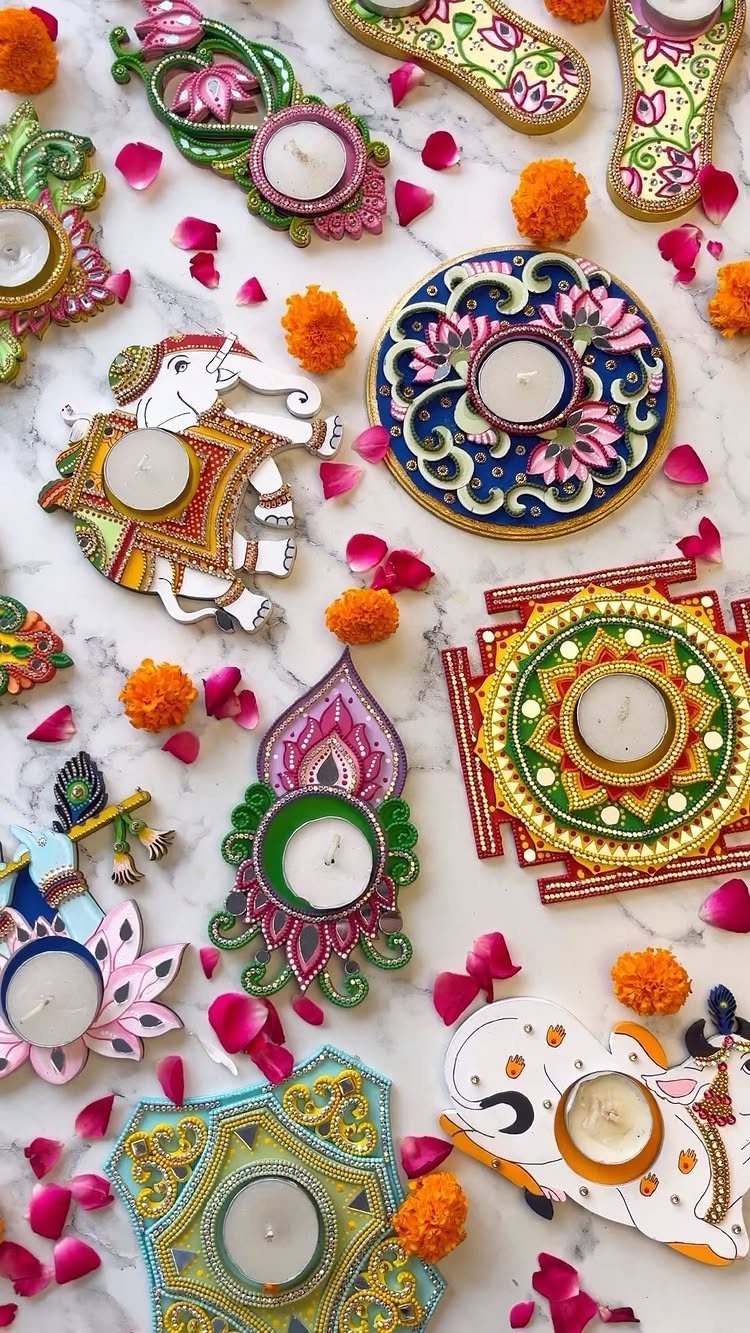
Tea light holders in shapes like elephants and lotuses turn a plain surface into something that glows and has character.
Mixing a few animal and lotus shapes looks better to me than a matching set. Painting plain holders yourself is a good budget route.
5. Floating Lotus Flowers
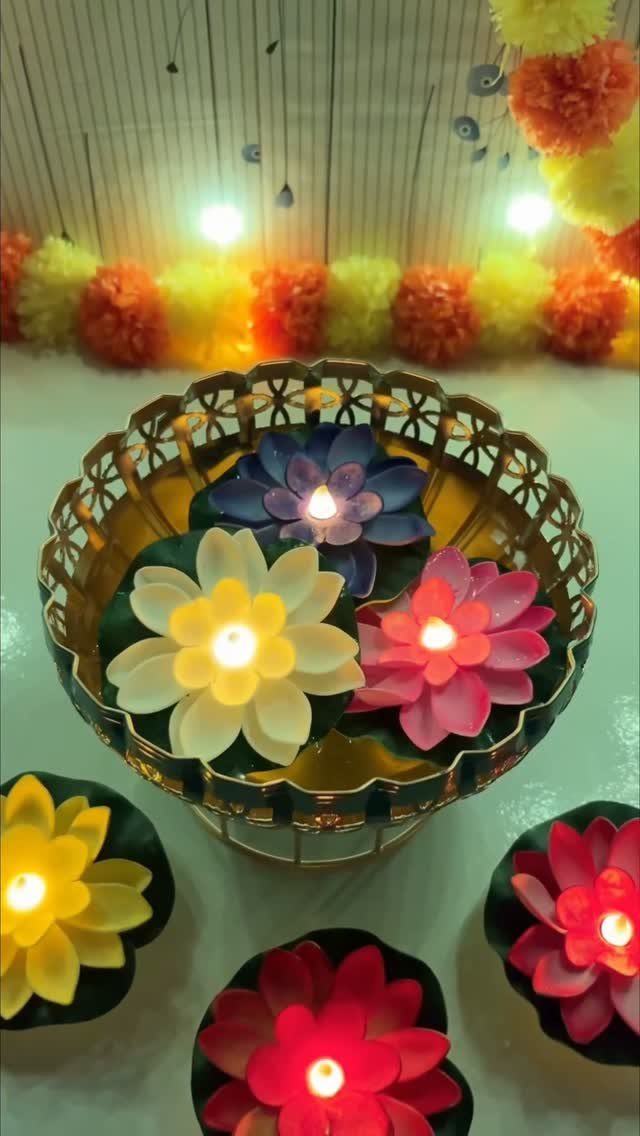
Lotus-shaped floating candles bring a symbolic flower to a bowl of water, and they sit well in a gold bowl.
Choose a mix of colors, like the blue, yellow and pink here, and float three together. Put the bowl near the entrance or on a table, then add marigold garlands or string lights behind it for depth.
6. Rangoli at Doorsteps
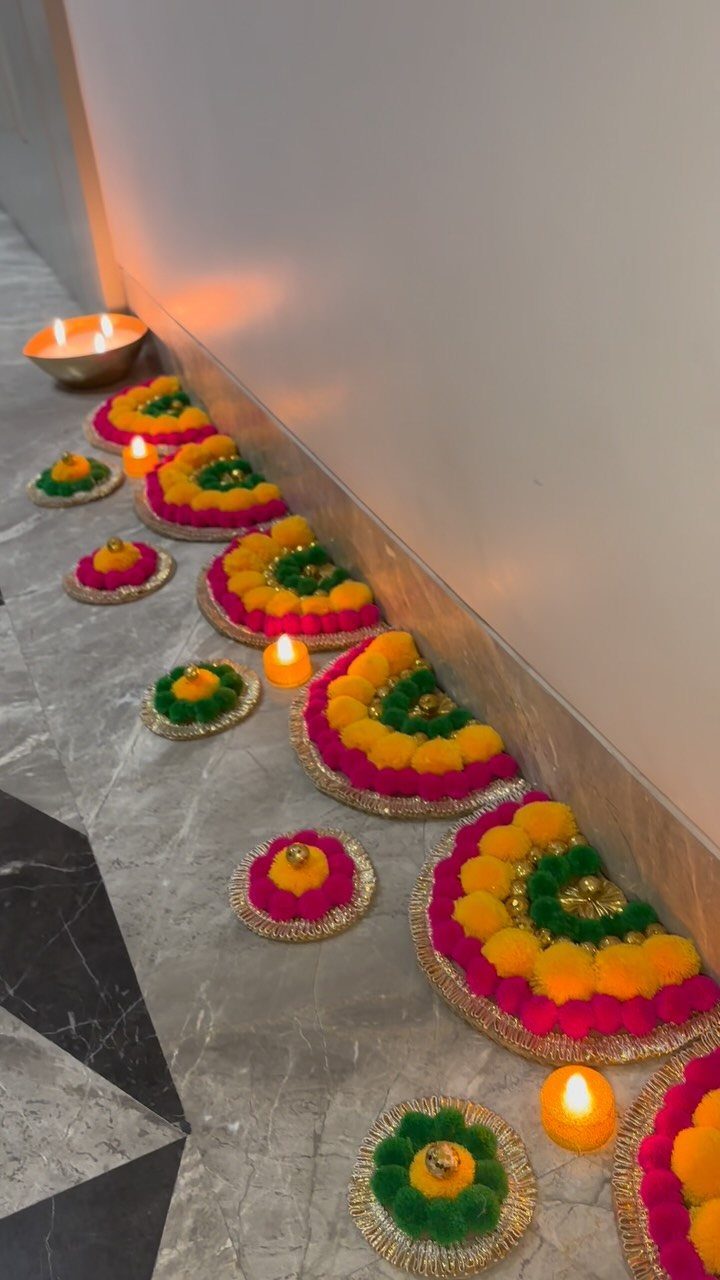
A rangoli at the doorstep is a pattern laid out on the floor, and it greets guests before the door even opens.
Start with a semi-circle or circle placed against the wall, fill it with textured materials in bright colors, then ring it with diyas.
Sketch the outline first so the pattern stays even. It takes patience more than money, so beginners should pick a simple floral shape.
7. Colorful Table Runners
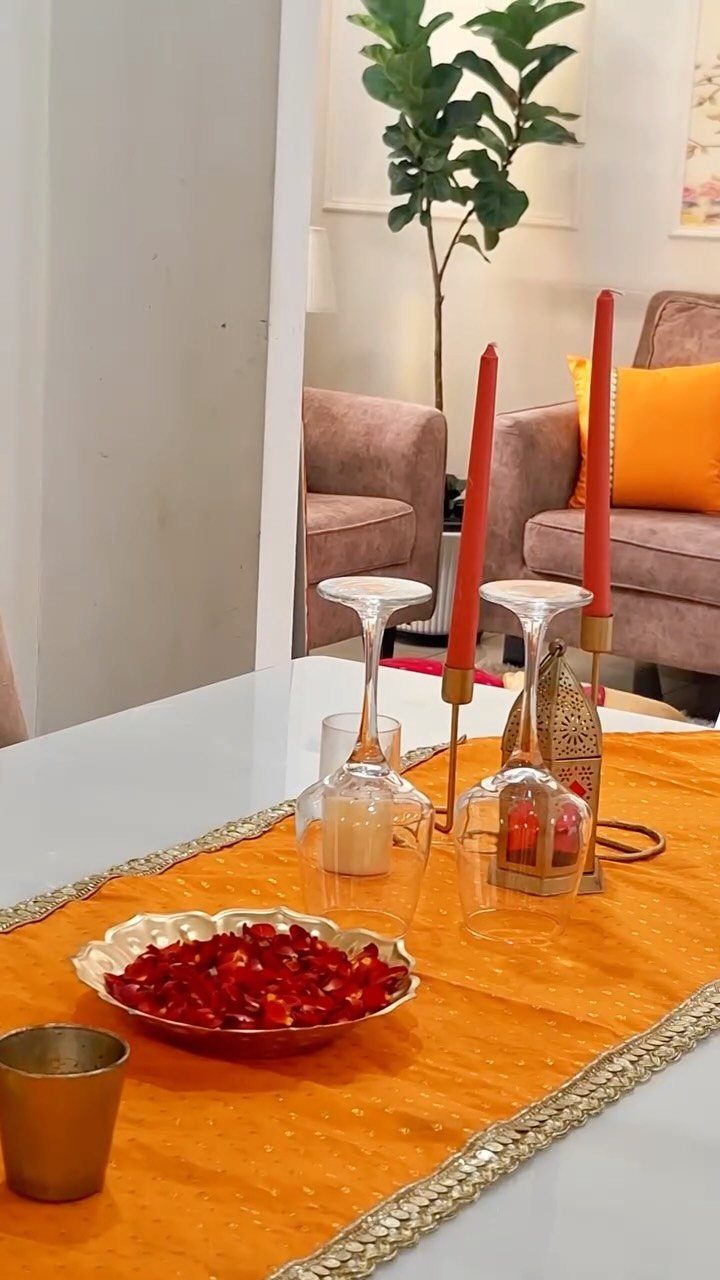
An orange runner with gold borders gives a dining table its festive color in one move, and the gold edge catches candlelight well.
Lay it down the center, then set red candles and a lantern along its length, with scattered red petals between them. I would keep the petals sparse so plates still have room.
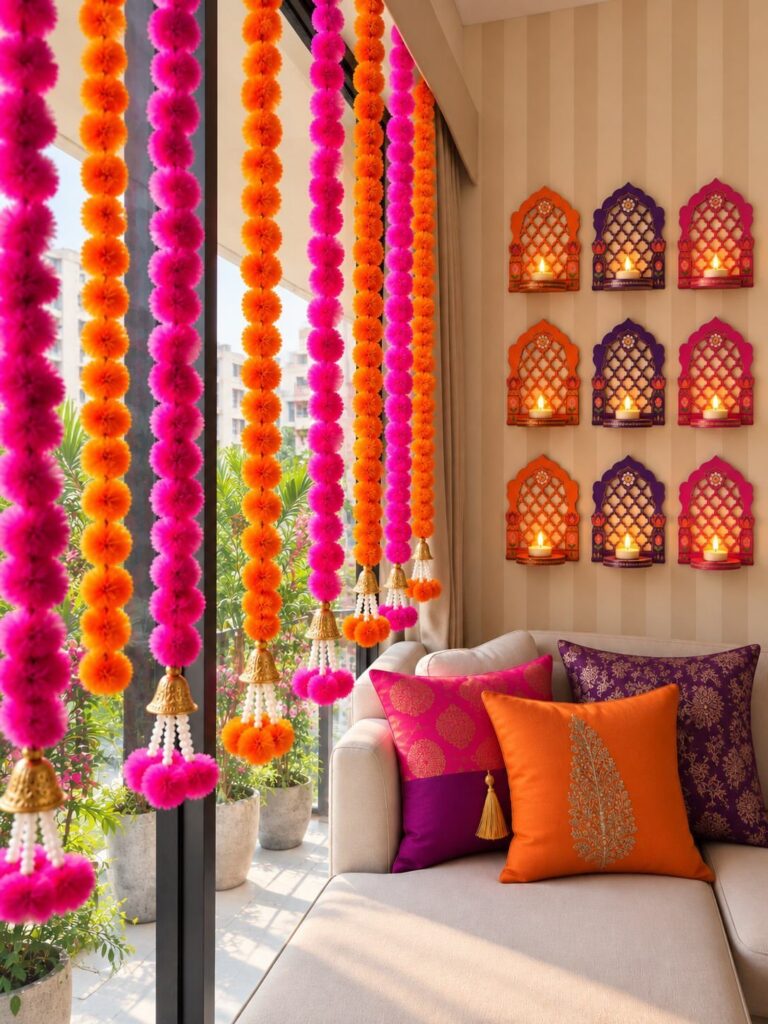
8. Colorful Cushion Covers
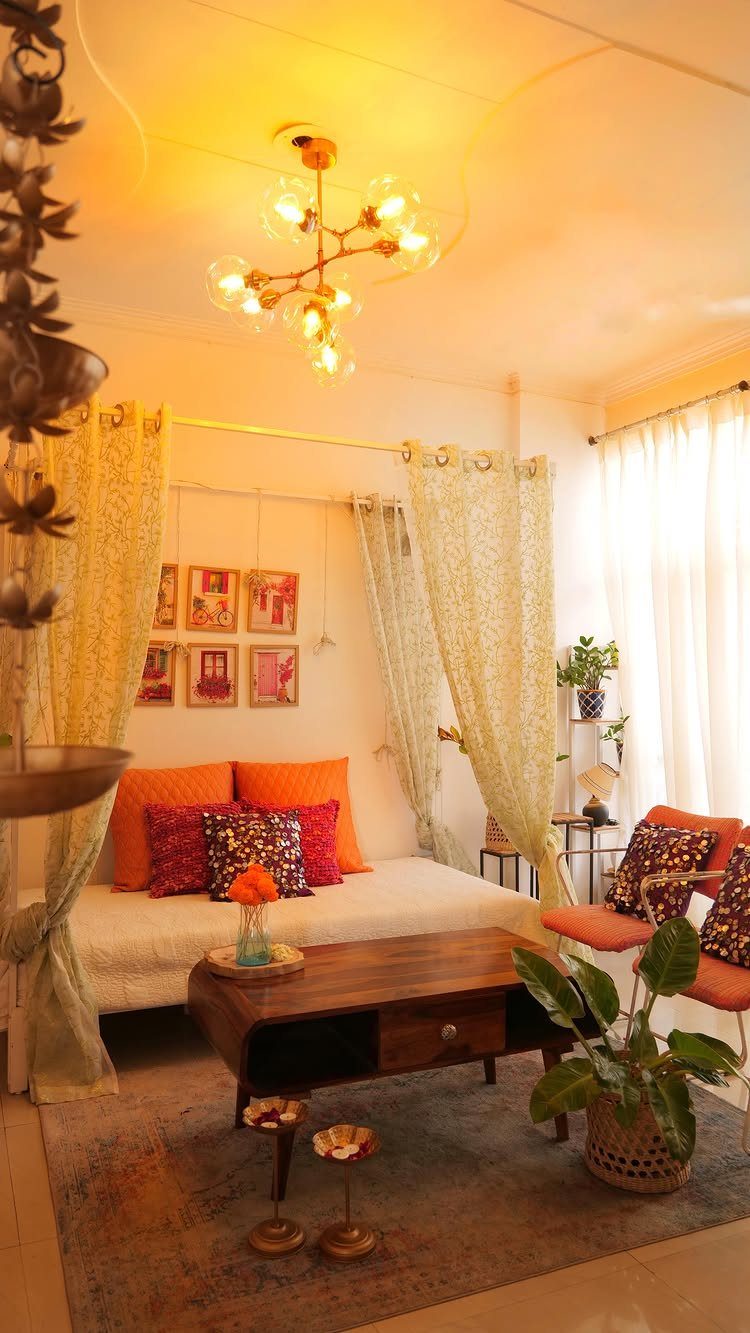
Swapping cushion covers is the fastest way to bring festive color to a seating area without moving any furniture.
Pick a pair or a trio of covers and keep the rest neutral. The maker of this set mentions a 30 percent discount for Diwali, so check for seasonal sales before buying new.
9. Diwali Personalized Round Plate
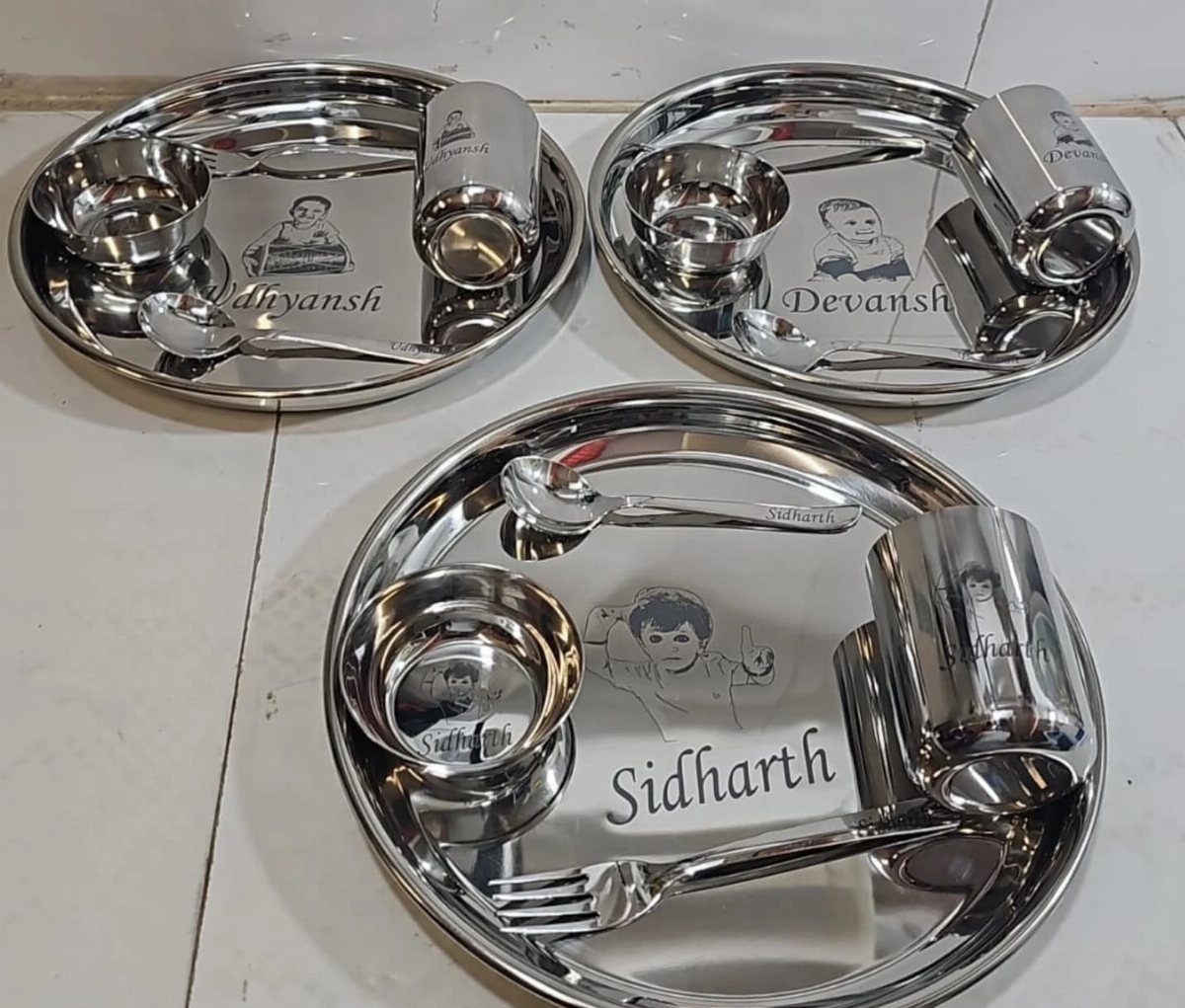
Plates etched with a guest’s name turn a serving of kaju katli or jalebi into a keepsake.
Stainless steel suits this well, since the engraving lasts through washing and the set can come out every year.
A plate, bowl, cup and utensil per person is a tidy way to seat children. I would order early, because engraving takes time and a name misspelled can’t be fixed.
10. Floating Candles
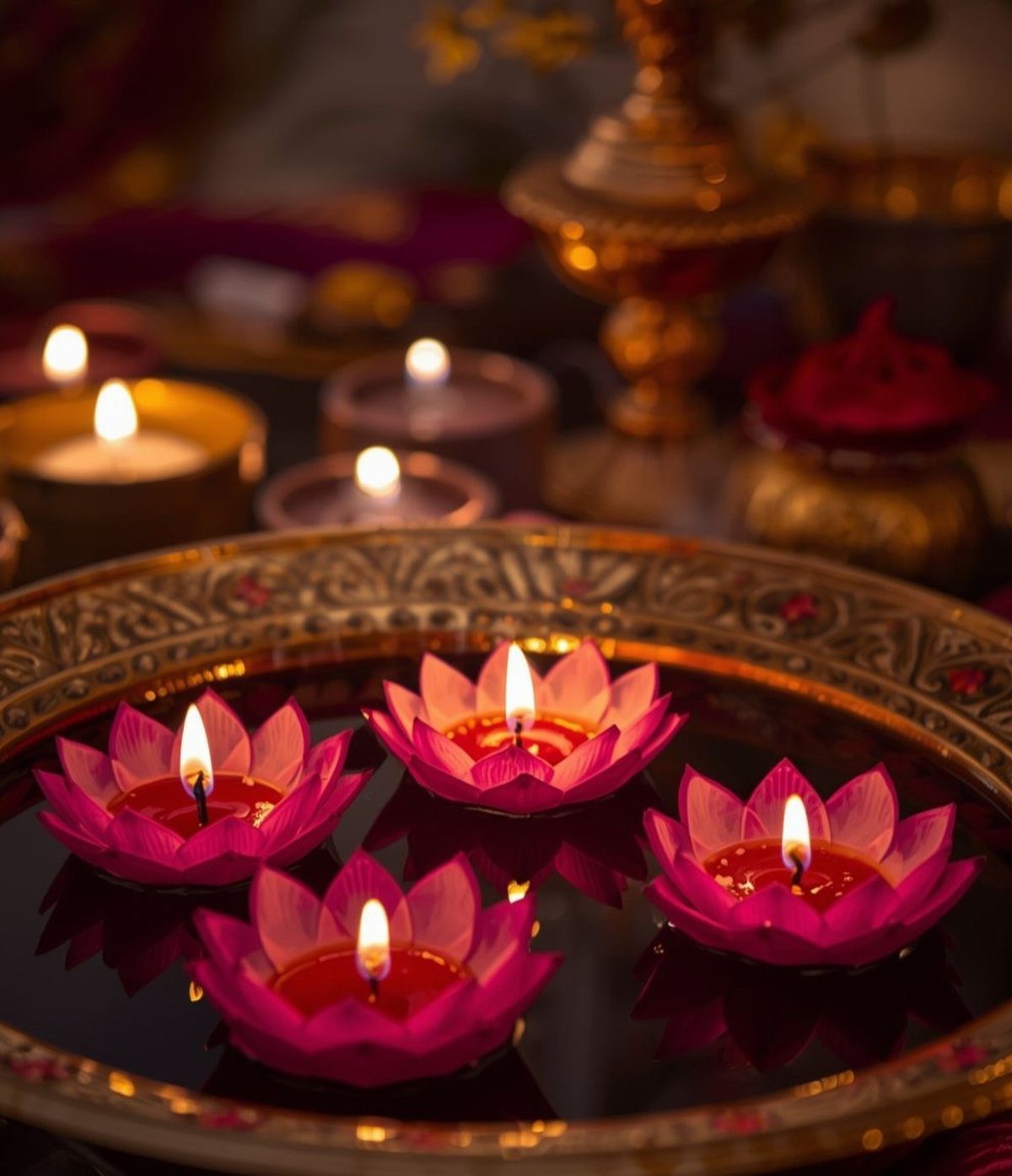
Floating candles in a shallow ornate bowl give the glow of a diya with no flame held in a hand.
Fill a wide gold bowl or tray with water and set 4 pink lotus candles on the surface, close together so they drift into a cluster.
Wide, shallow vessels show off the shapes better than tall vases. Put the bowl where guests pass, and add other candles or gold pieces behind it.
11. Torans
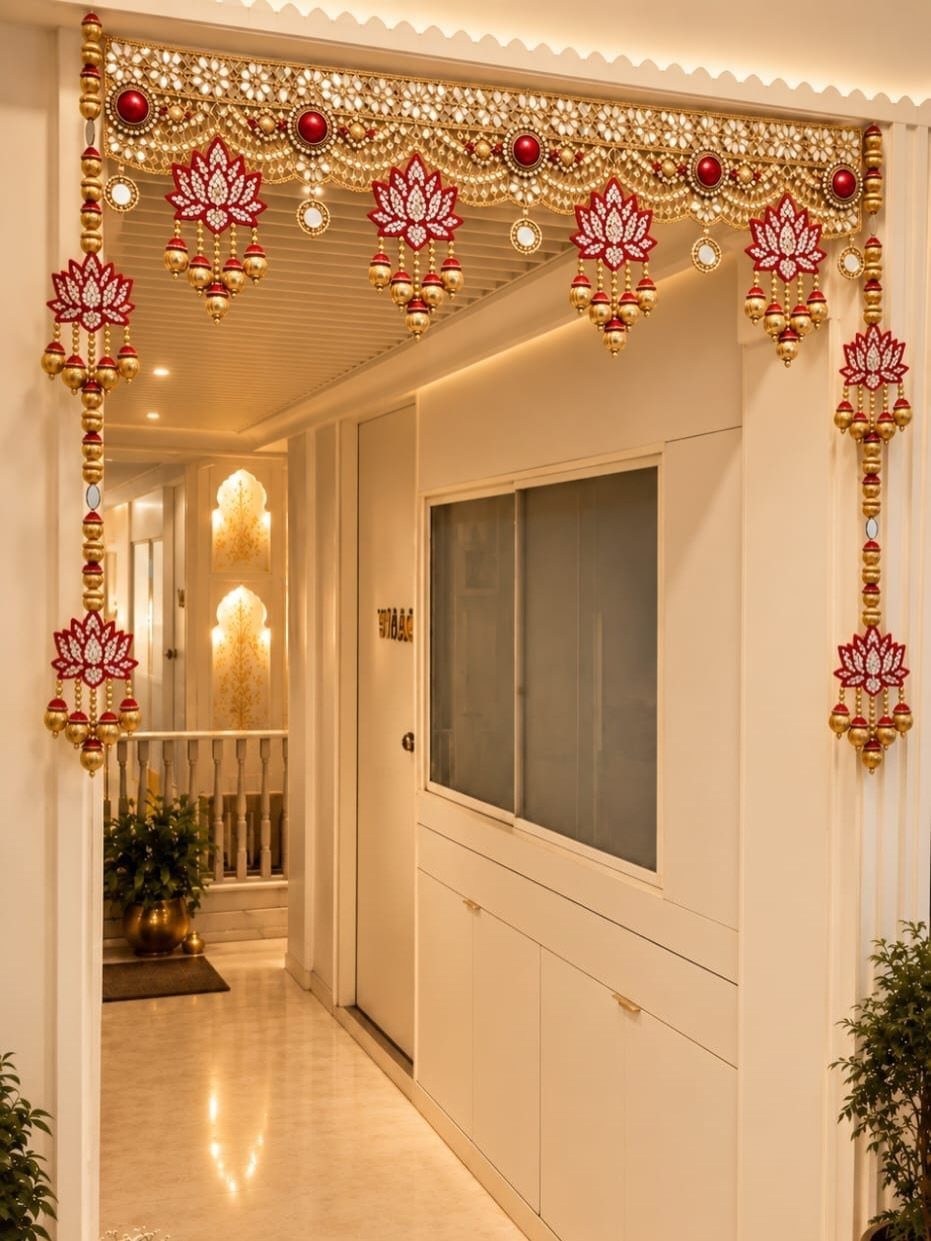
A toran hangs across the top of a doorway and marks the entrance as a place of welcome and prosperity.
Red and gold reads clearly against a white doorframe, so choose colors that contrast with your own walls.
Measure the width of the opening before buying, then fix it with small hooks or removable adhesive at each corner. Store-bought ones are inexpensive and reusable year after year.
12. Fresh Flowers in Vases
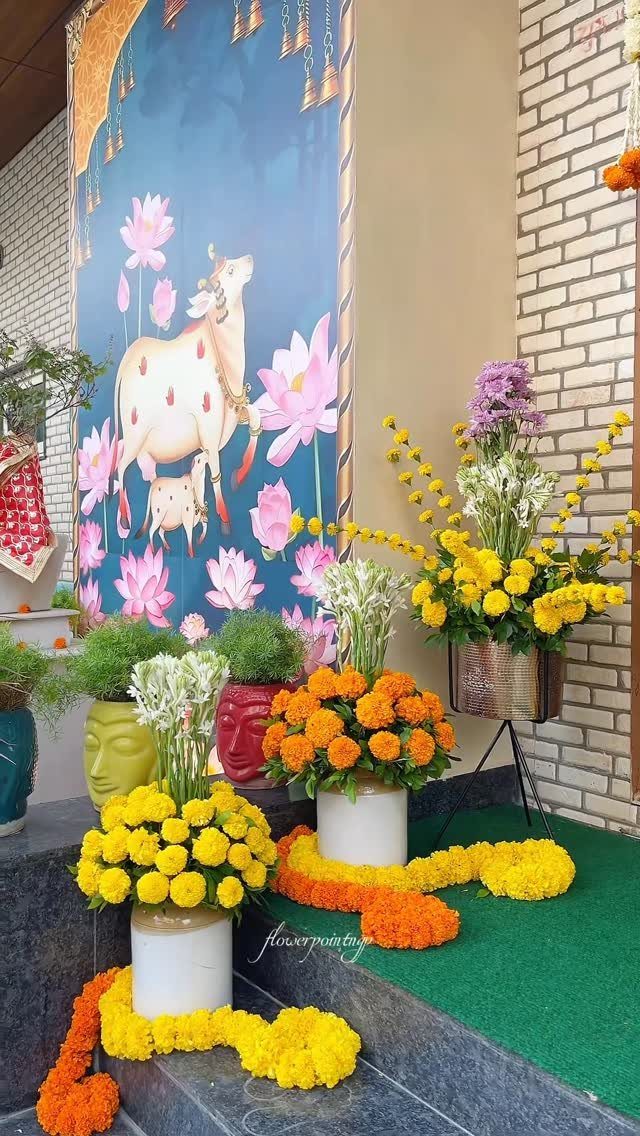
Marigolds in mixed vases give a table or step bright color for the price of a bunch or two.
Group several small vases of different heights rather than one big arrangement, and let yellow and orange blooms sit beside a touch of purple.
Colorful vases add as much as the flowers do. Cut the stems short so the heads sit just above the rims.
13. Mason Jar Lanterns
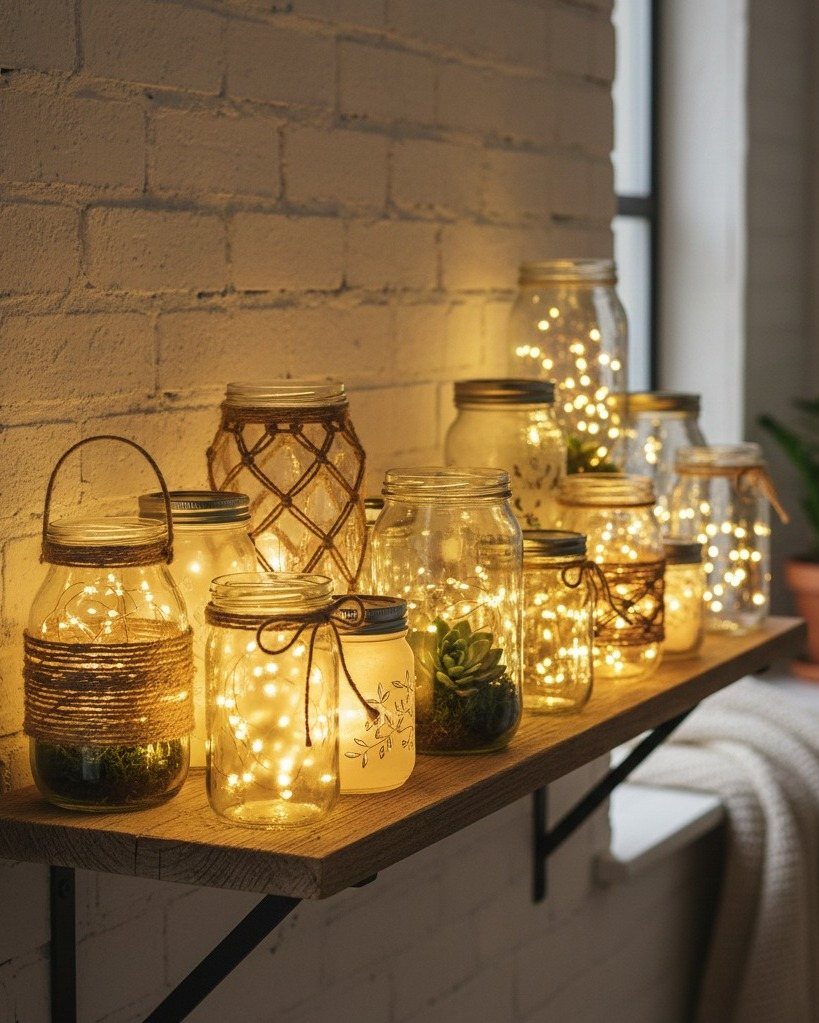
Old glass jars make good lanterns because the glass spreads a battery fairy light’s glow across a whole shelf.
A small succulent beside the lights adds green that suits the warm glow.
Rinse off labels and glue residue first, since leftover sticky patches show once the light is on. Battery lights keep an open flame away from the wood.
Jars from the pantry cost nothing, which makes this a good last-minute idea.
14. Idols of Ganesha and Lakshmi
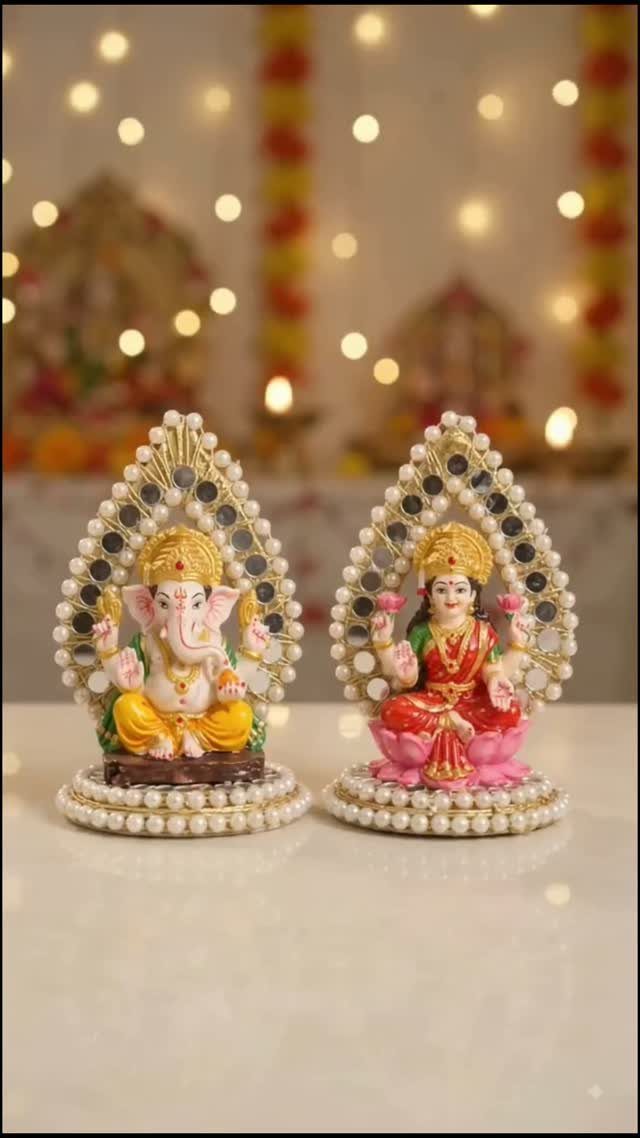
Ganesha and Lakshmi idols give a Diwali room its focal point, and small ones are enough to do the job.
Set the pair at eye level on a clean shelf or low table, with Ganesha and Lakshmi side by side. A mirrored backdrop and pearl base, like these, catch light from nearby bulbs.
Keep a garland or string lights behind them and leave the space around them clear. I would spend the budget here before anywhere else, and keep the surrounding decor simple.
15. DIY Kandil Door Hanging
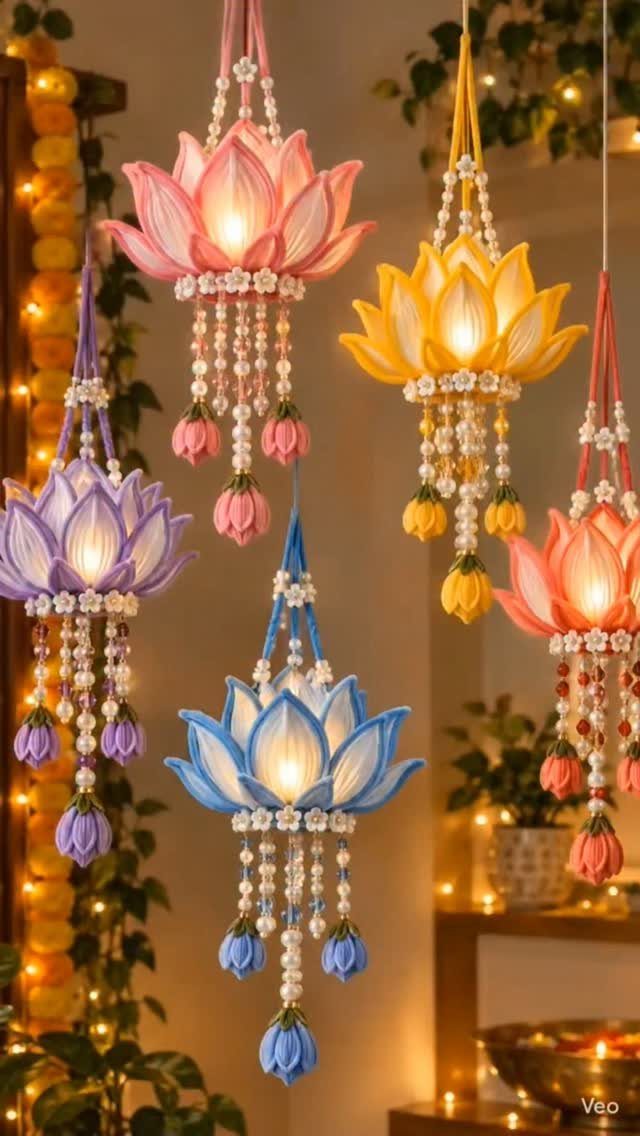
Lotus-shaped kandils hang in a cluster, and their beaded tassels give a doorway or corner a traditional look at ceiling height.
Hang five at staggered lengths rather than one even row, so the colors overlap and the eye moves. Pick lanterns with a lit center, as here, and put them where the glow reads against greenery or a plain wall.
Measure the drop before you buy so the tassels clear heads. A hook in the ceiling or doorframe is all the hanging needs.
Importance of Diwali Decorations
Decorating for Diwali is a way of inviting prosperity and positivity into the house.
5 days of celebration also mean time with family and friends, shared food and gifts, so the decor works best when it makes the house feel warm for visitors.
Start with the spaces guests actually use. A few well-chosen touches in the rooms where people gather matter more than decorating every corner.
Traditional Diwali decorations include lights, diyas (oil lamps made from clay), flowers (like these marigold garlands ), torans (decorative door hangings), and rangoli, a type of intricate art crafted by flowers, colored powders, and rice on the floor or table.
Safety Tips for Using Candles
Set candles and tea lights on stable, heat-resistant surfaces, and keep them well away from curtains, paper decorations and anything else that burns.
Never leave a lit flame unattended, especially with children or pets in the room. If either will be moving around the party, battery-operated tea lights give you the same glow with no risk.
Give lit candles some ventilation too. A well-ventilated spot keeps smoke from building up, so the air stays clean while guests are in the room.
Before guests arrive, walk the room once and check each flame against that list: surface, distance from fabric and paper, and who can reach it.
Cultural Significance of Diwali
Diwali started in India and is now observed by Hindus, Jains, Sikhs and other communities across the world. At its center is the victory of light over darkness.
The five-day festival brings families together to eat, give gifts and decorate the spaces where everyone gathers. Since that gathering is the point, plan your decor around hosting: clear paths, a warm entrance and seating that keeps people close.
Treat the festival’s meaning as a guide for choices. When a decoration feels like it adds light, welcome or togetherness, it belongs.