Most of these crafts cost little: a squeegee and a few paint colors for Squeegee Art, a hook and yarn for Crocheting, or cord and knots for Macramé, while Ocean Wave Resin Canvas Art runs higher, so I’d start that one on a small canvas.
Your free time picks the project.
With one evening, Rock Painting, Handmade Beaded Bracelets or Embroidery will finish in a single sitting; with a few weeks of short sessions, Crocheting or Macramé grows row by row. Even 15 minutes a day is enough to keep one going.
1. Candle Making
A candle in a glass jar is the friendliest way into wax work, because the jar holds the shape for you.
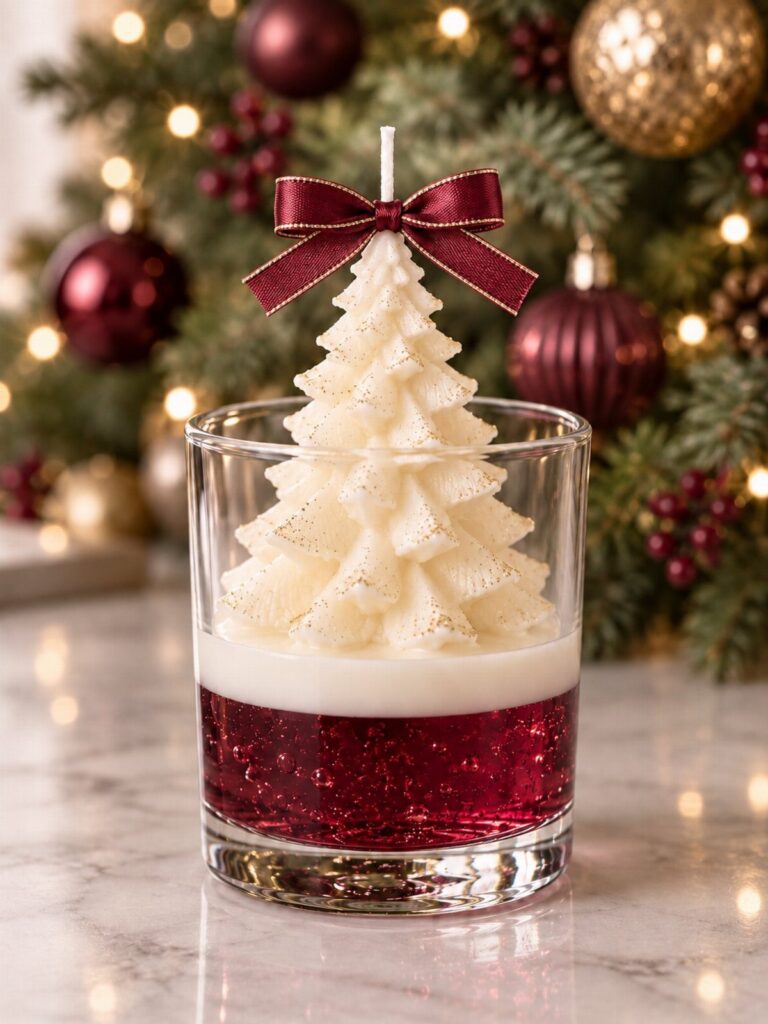
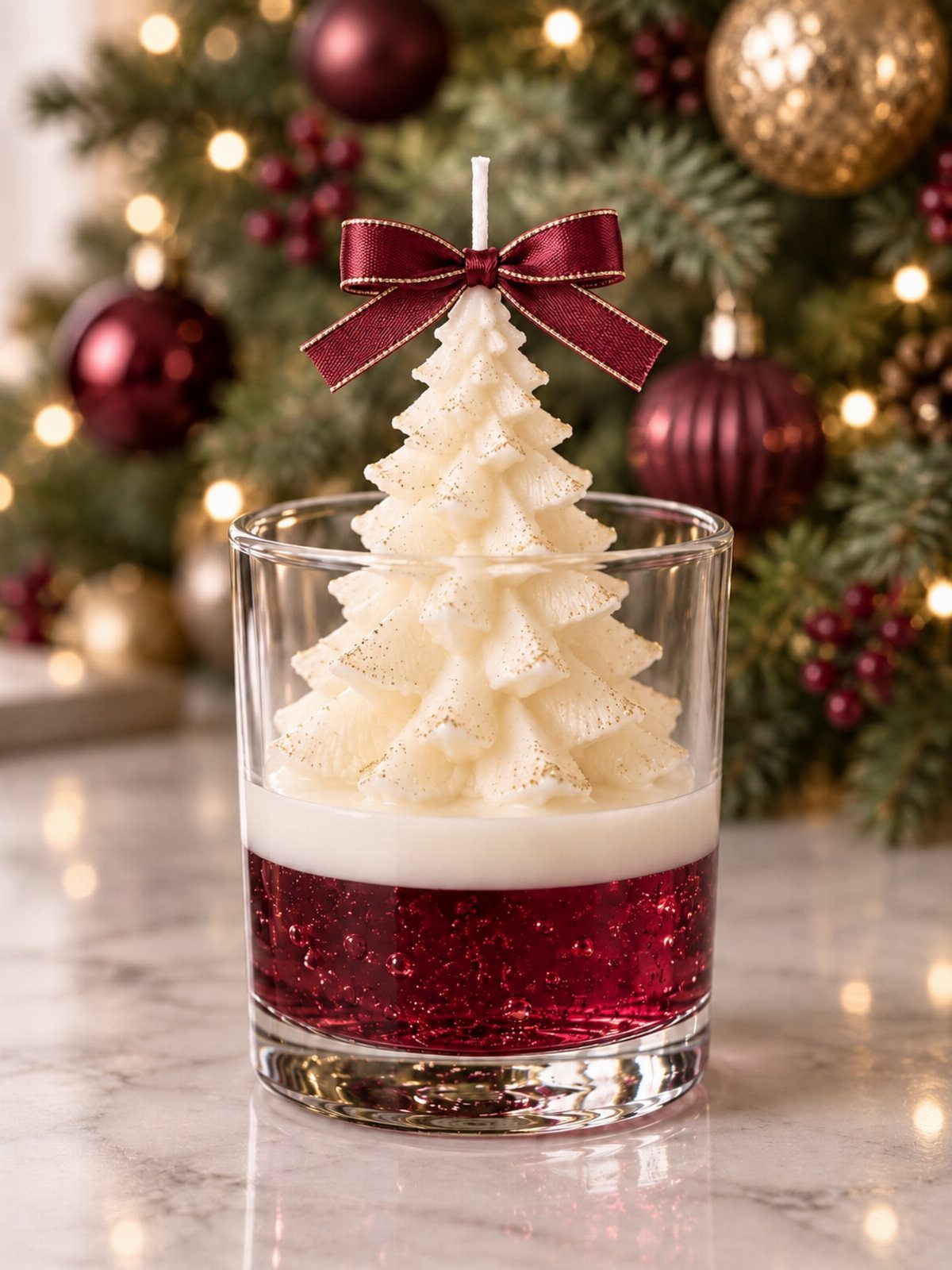
Layered candles, like a red and white pair, come from pouring one color, letting it set fully, then pouring the next on top.
Scent is the part that makes it yours. Pick one fragrance you actually like before buying a second, since blends are easy to get wrong.
A bow or glitter on top is a finishing touch you can add after the wax sets.
2. Embroidery
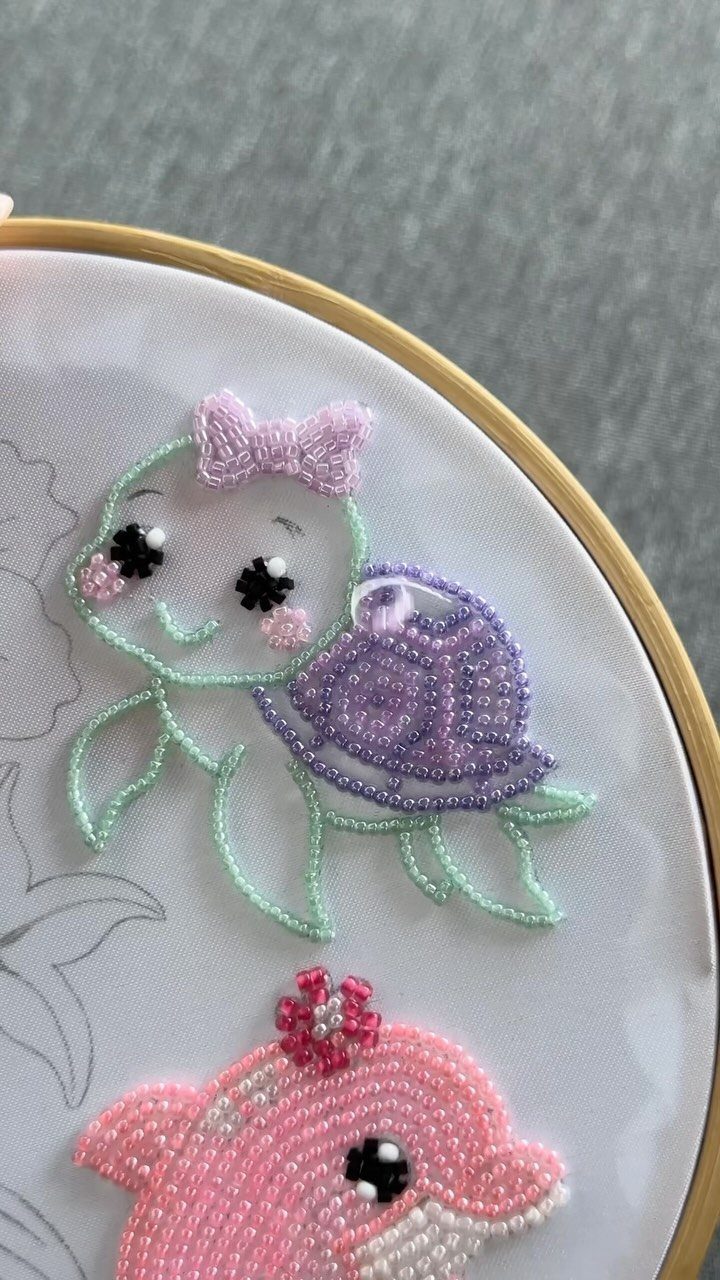
Beads turn plain stitching into something with a bit of sparkle, and a wooden hoop keeps the fabric taut while you work.
Small motifs like a turtle or a dolphin suit adults with limited time, since one finished piece fits in an evening or two.
Sketch the outline on white fabric first, then sew beads along it. Keep the designs simple so the colors stay clear.
Leave the hoop on and the piece is already framed, which makes it a cheap gift.
3. Squeegee Art
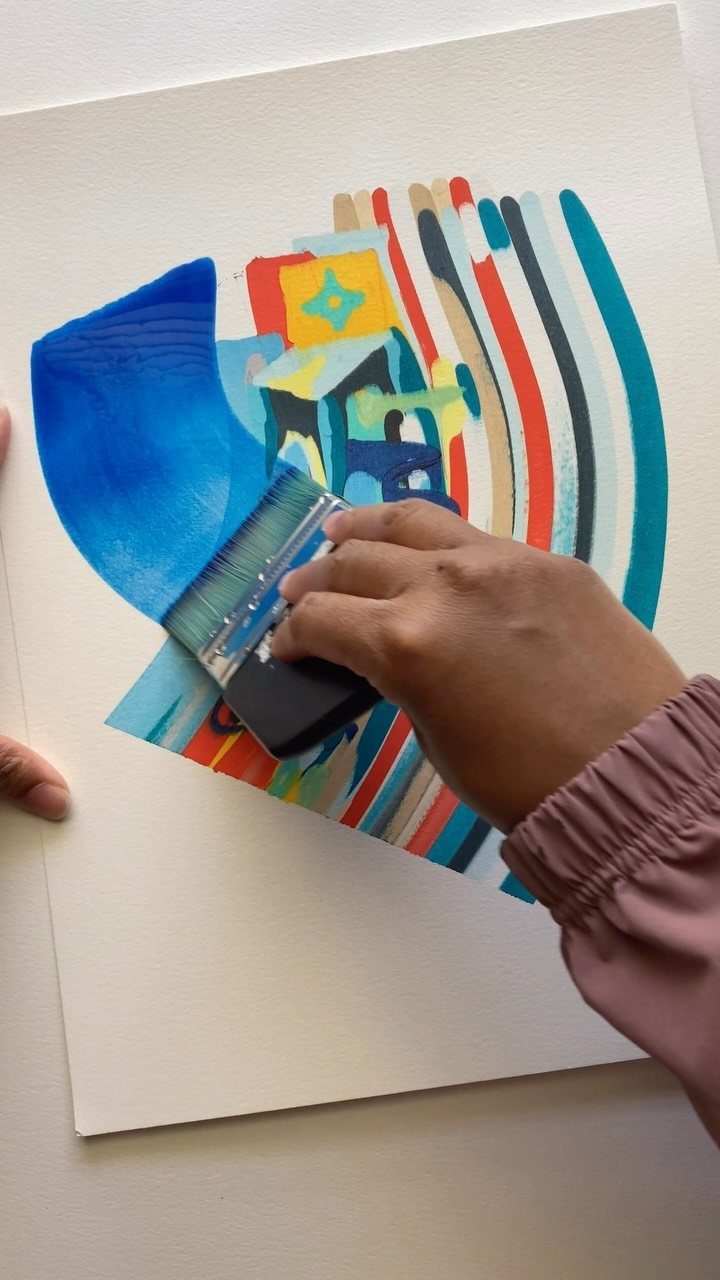
Dragging paint with a squeegee gives you stripes and shapes you could never plan with a brush, and that is exactly why it relaxes people.
A small squeegee works well on paper, and the cost is low: paper, a few paint colors and one tool.
Put a line of paint down, then pull it across in one steady motion. Let the colors overlap a little so the streaks blend at the edges.
Practice on scrap paper first. Fast, confident pulls usually look better than slow, careful ones.
4. Plant Holders
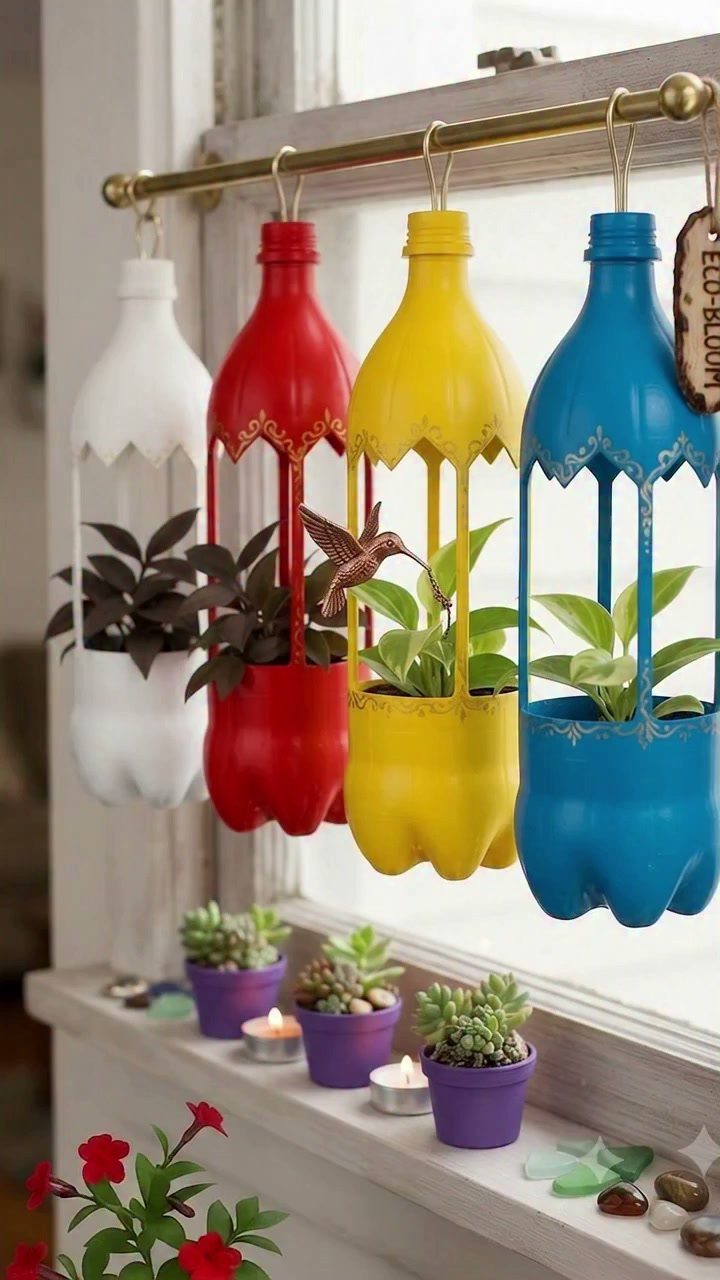
Houseplants are said to improve air quality and help focus, and a sunny window full of them is a decent excuse to start.
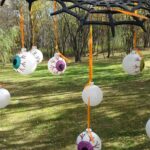
Cut the bottle, paint it in bright colors, and hang it from a rod with cord. Choose small plants that fit the opening.
I like a row in different colors best, since the bottles read as a deliberate set.
5. Crocheting
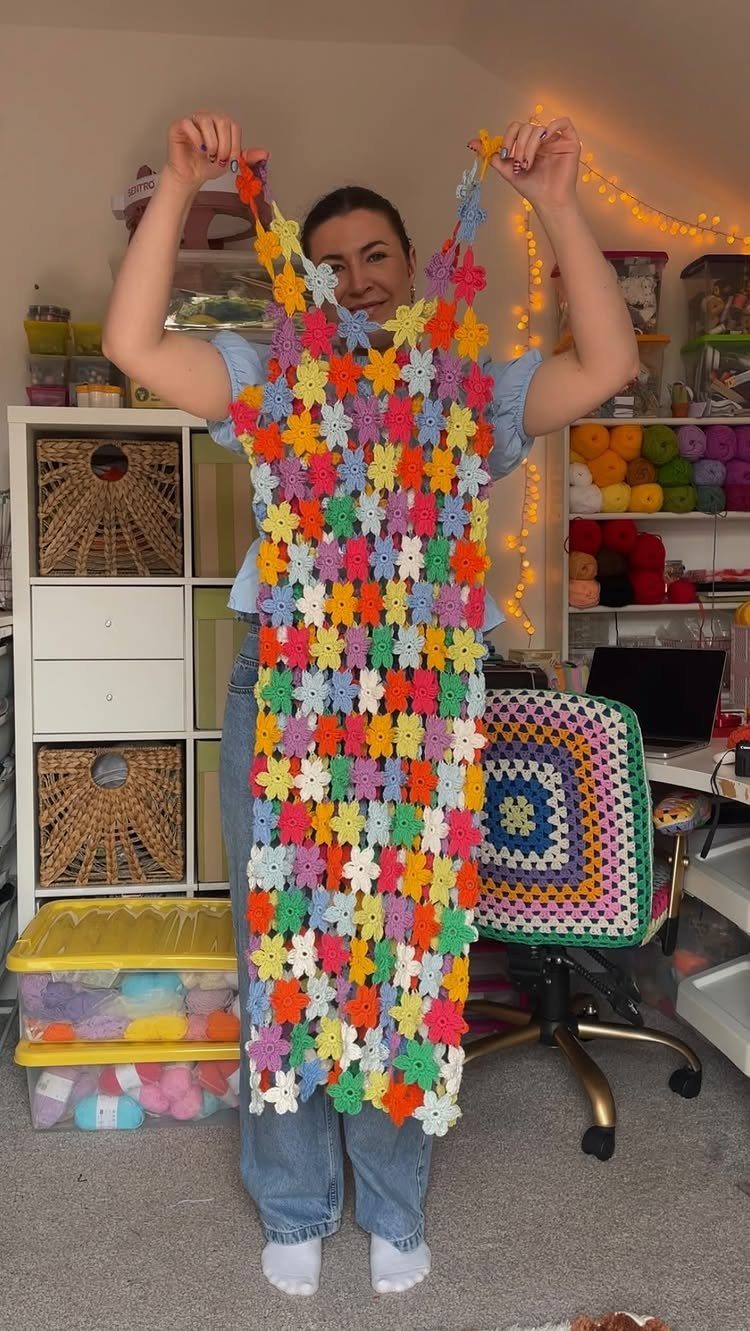
A crochet hook and yarn are all you need, and the supplies are cheap enough that a mistake costs you little. Start with flat pieces and simple stitches before attempting something as ambitious as a flower-patterned garment.
Projects grow row by row, so they suit short sessions in the evening. Use one yarn weight throughout so the stitches stay even.
Yarn kept in clear bins lets you see every color at a glance, which makes planning the next piece much easier.
6. Macramé
Macramé is knots and cord, nothing more, which makes it one of the least expensive crafts on this list.
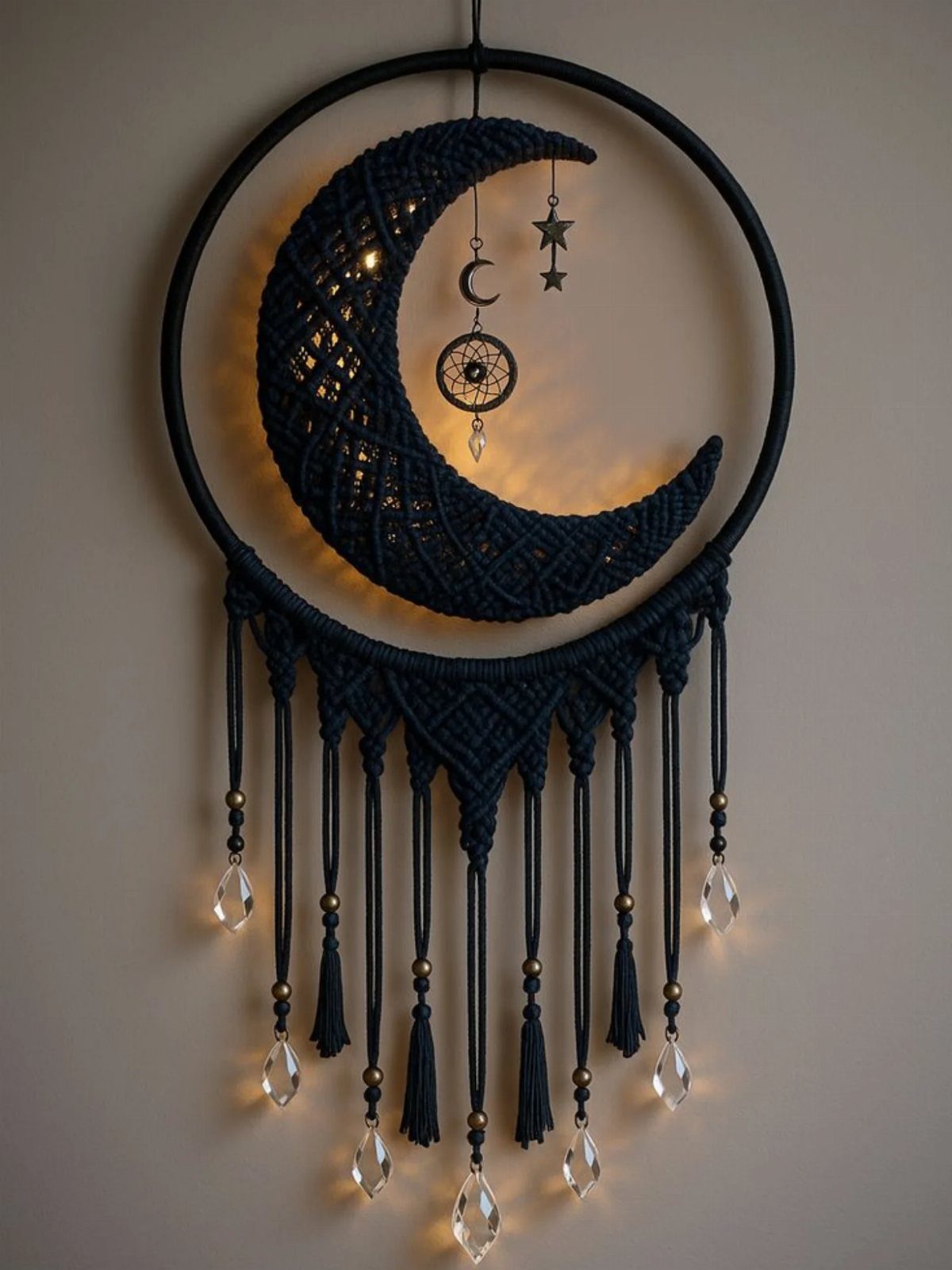
A wall hanging with a moon shape is built from repeated knots, so once 2 or 3 are in your hands, the rest is patience.
Hang the cord from a hoop and work downward. Crystals and charms can be added at the end, so you can decide how decorated it gets.
Dark cord on a plain wall gives strong contrast.
7. Upcycling Glass Jars
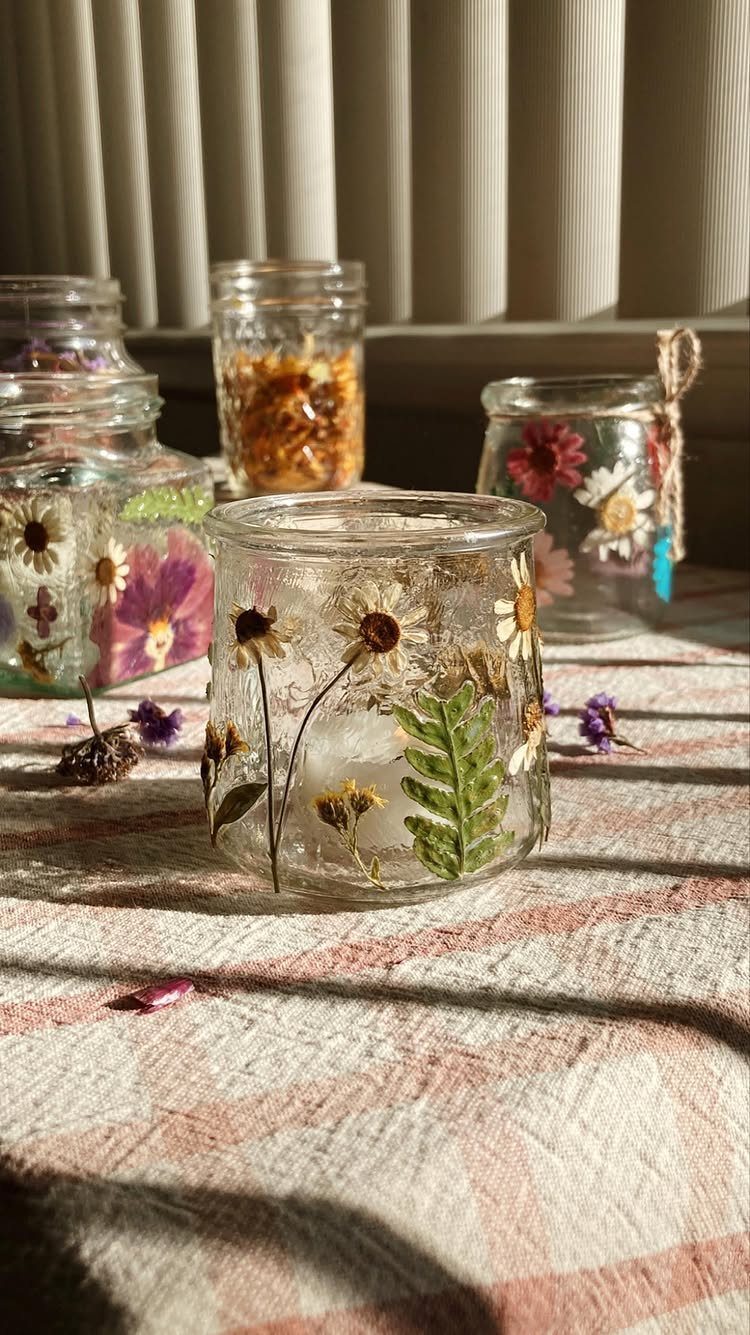
A clean jar with a pressed flower stuck to the outside turns a pantry leftover into a candle holder. Flat petals and thin leaves press against the glass better than thick blooms, so choose those.
Place the flowers while the jar is empty, then drop the candle in. I would keep every jar in one color family and vary the sizes, which makes a mismatched set look planned.
A checkered cloth underneath is an easy way to bring it all together.
8. Floral Arrangements
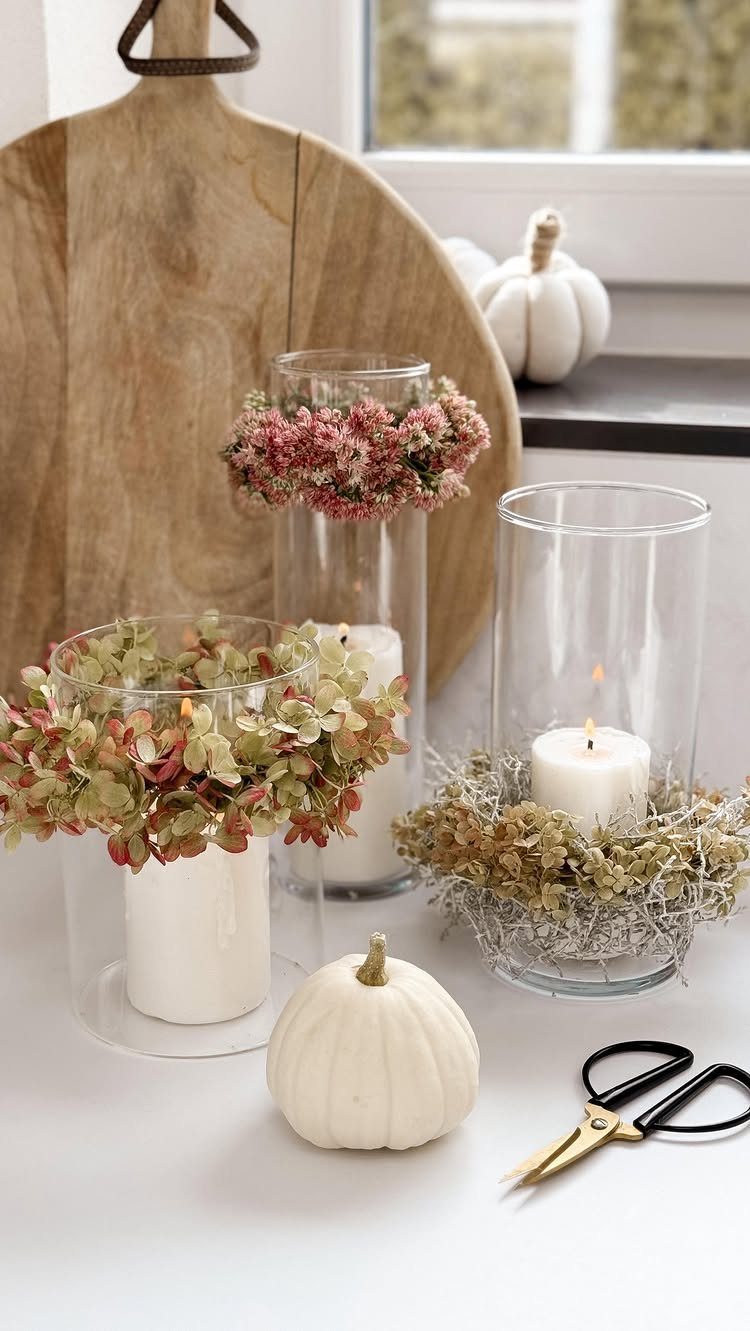
Short glass cylinder vases suit anyone who wants a table piece without a florist’s budget. Dried stems hold their shape, so you can build the arrangement days ahead and skip the last-minute rush.
Fit a candle inside each vase and wrap a small floral ring around the outside. Sets of three look best in matching glass with slightly different heights.
Keep the dried flowers a safe distance from any lit flame. Battery candles are the easier choice if the arrangement will sit unattended.
9. Decorative Pinboards
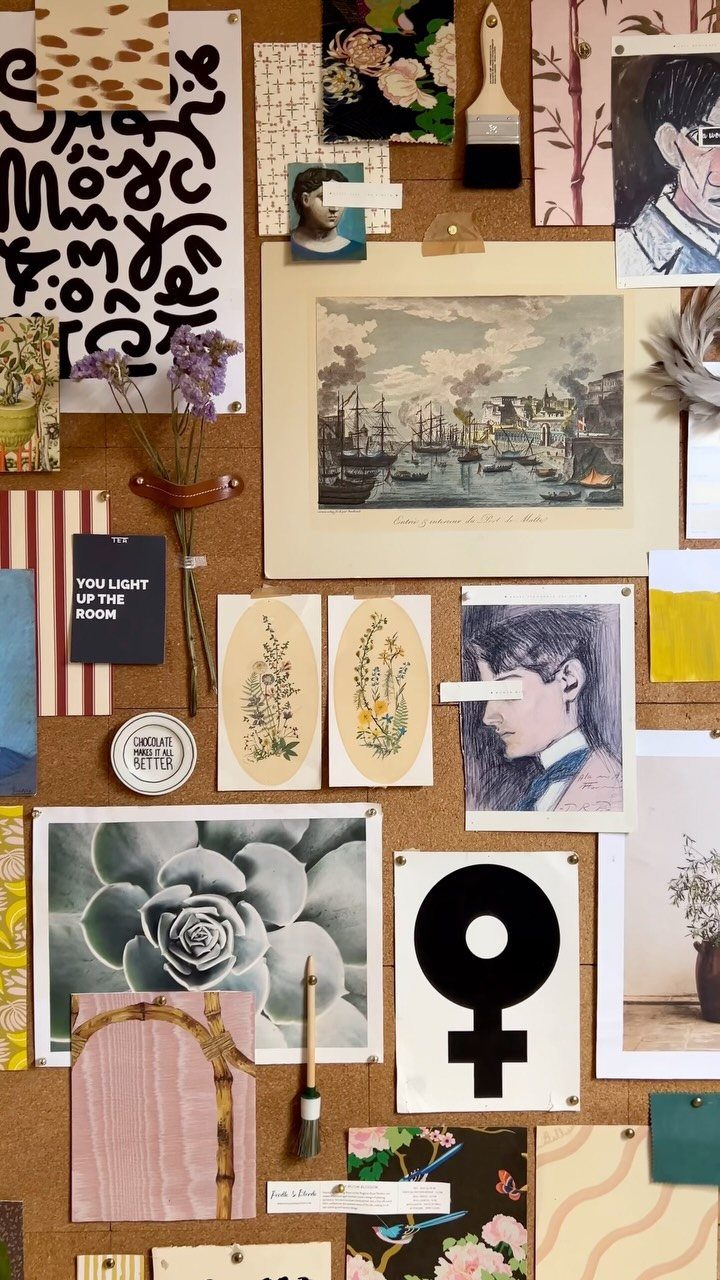
Cork is forgiving, which is why a pinboard works for adults who like to change things around.
A good pinboard layers things: let sketches, prints, dried flowers and handwritten notes overlap by an inch or so, and the board reads as collected rather than lined up.
Short lines in your own handwriting give the board personality. Pick two or 3 colors and repeat them so a crowded board still reads as calm.
Swap items every few weeks and the board never gets stale, and it costs almost nothing.
10. Wreath Making
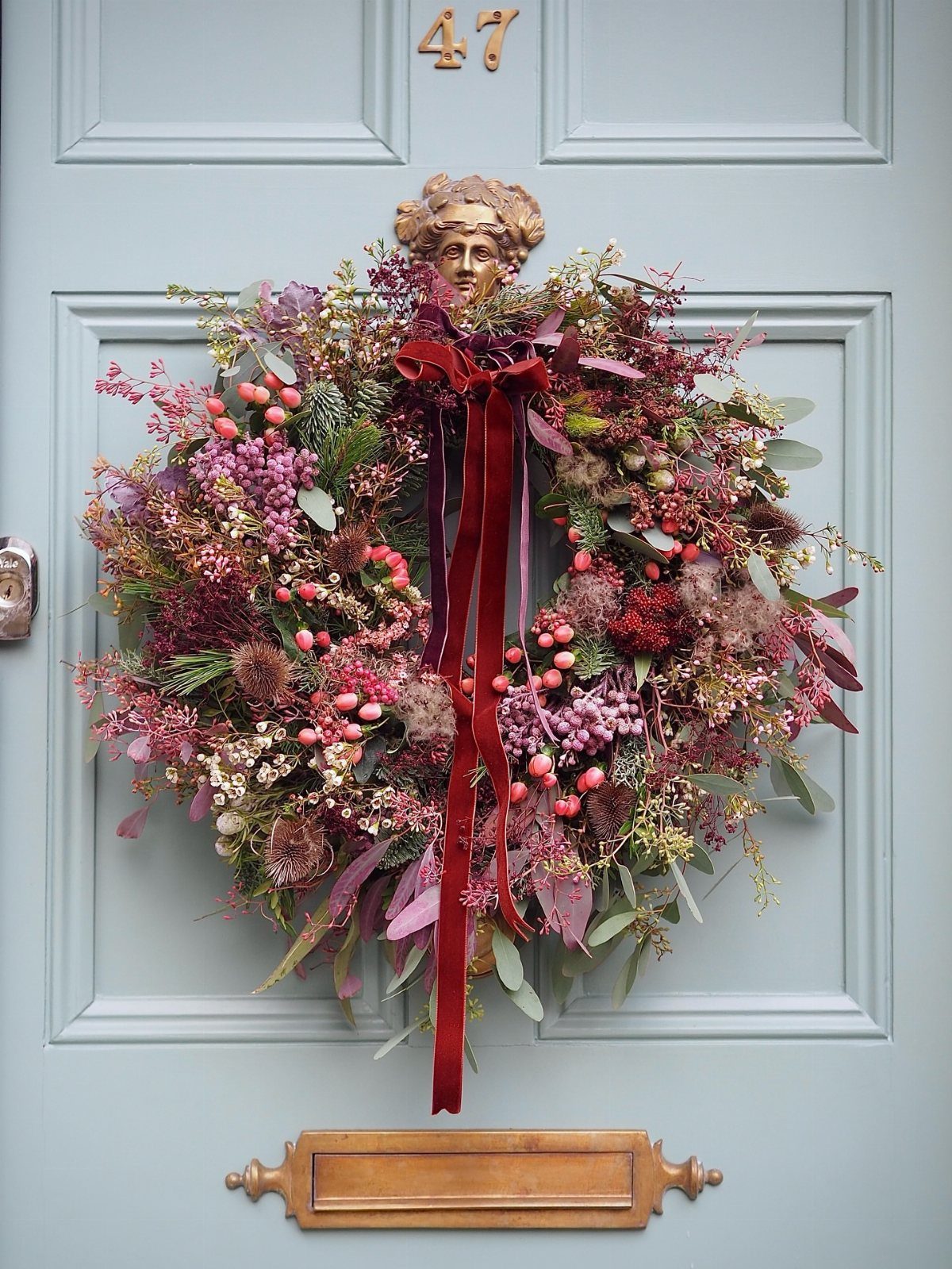
Red berries and a velvet ribbon give a wreath a clear focal point, and a pale door shows them off well. Choose a ribbon wide enough to hold its own against the flowers.
Build the floral base first, then tie the bow last so you can judge its size against the finished wreath. Leave a tail on each side, long enough to hang freely.
A wreath this simple is a good first try, and the supplies are inexpensive.
11. Rock Painting
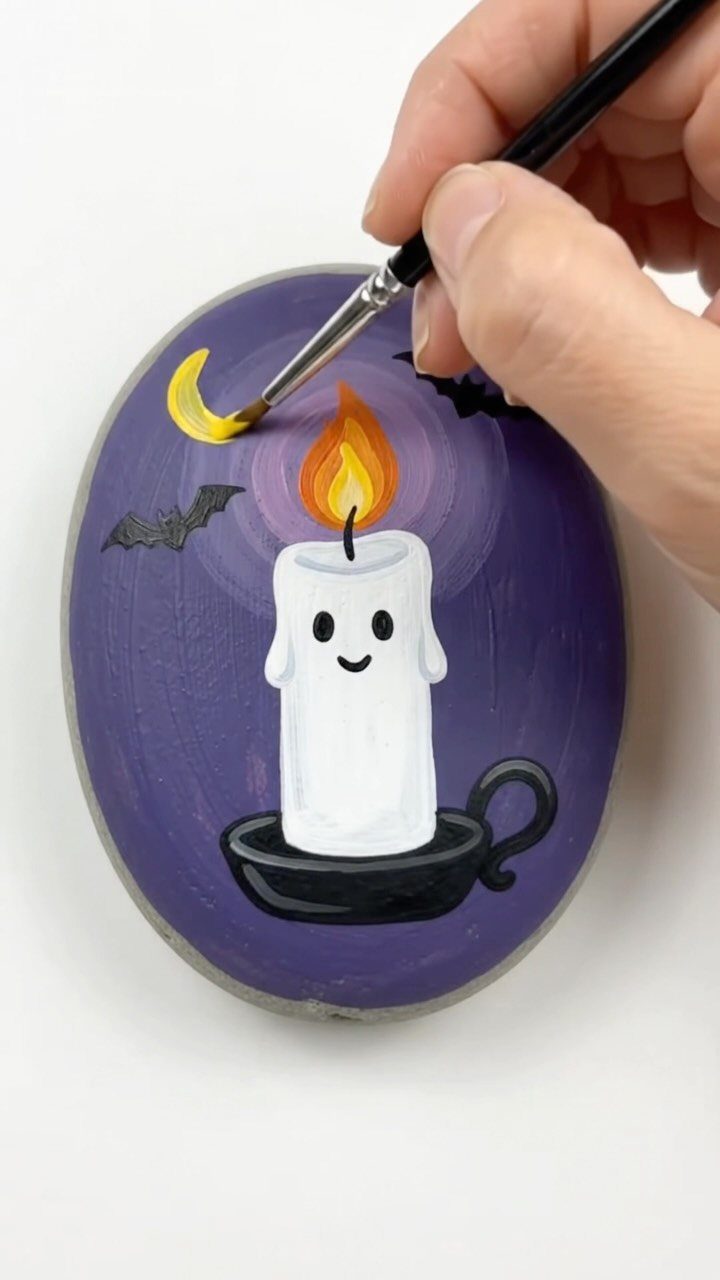
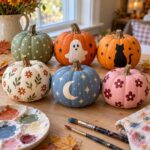
Smooth rocks make a patient little canvas, and a purple base coat lets a yellow moon stand out. Paint the whole rock first and let it dry completely before adding details.
Work from large shapes to small ones: base color, then the candle or moon, then fine touches with the thinnest brush you own. A cute, slightly spooky scene like bats suits the size well.
One rock takes an evening at most, so a handful makes a good set.
12. Punch Needle
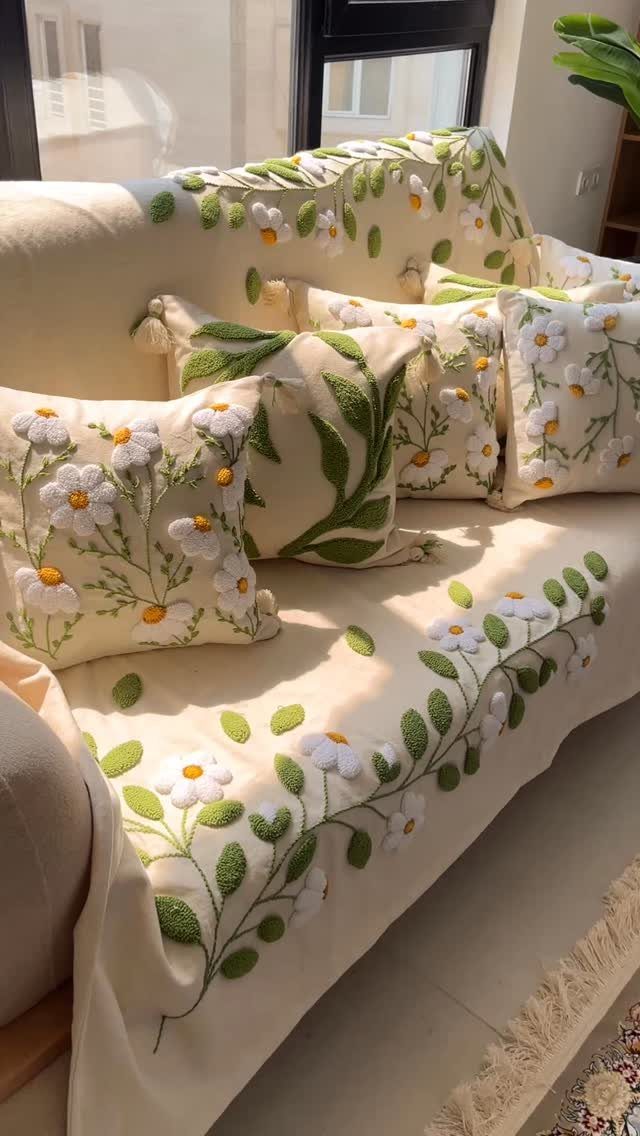
Punch needle makes yarn stand up in loops, and that raised pile is what gives daisies their plush, three-dimensional look. White petals with yellow centers and green leaves are an easy combination to read from across a room.
Punch the flowers into a separate piece of fabric, trim around each one, then sew or glue it onto a ready-made cushion cover, which keeps the cover itself easy to wash and swap.
That is easier than punching through a finished pillow.
Start with one flower before planning a full set. Matching pillows on a cream sofa make a quiet, lovely upgrade.
13. Junk Journaling
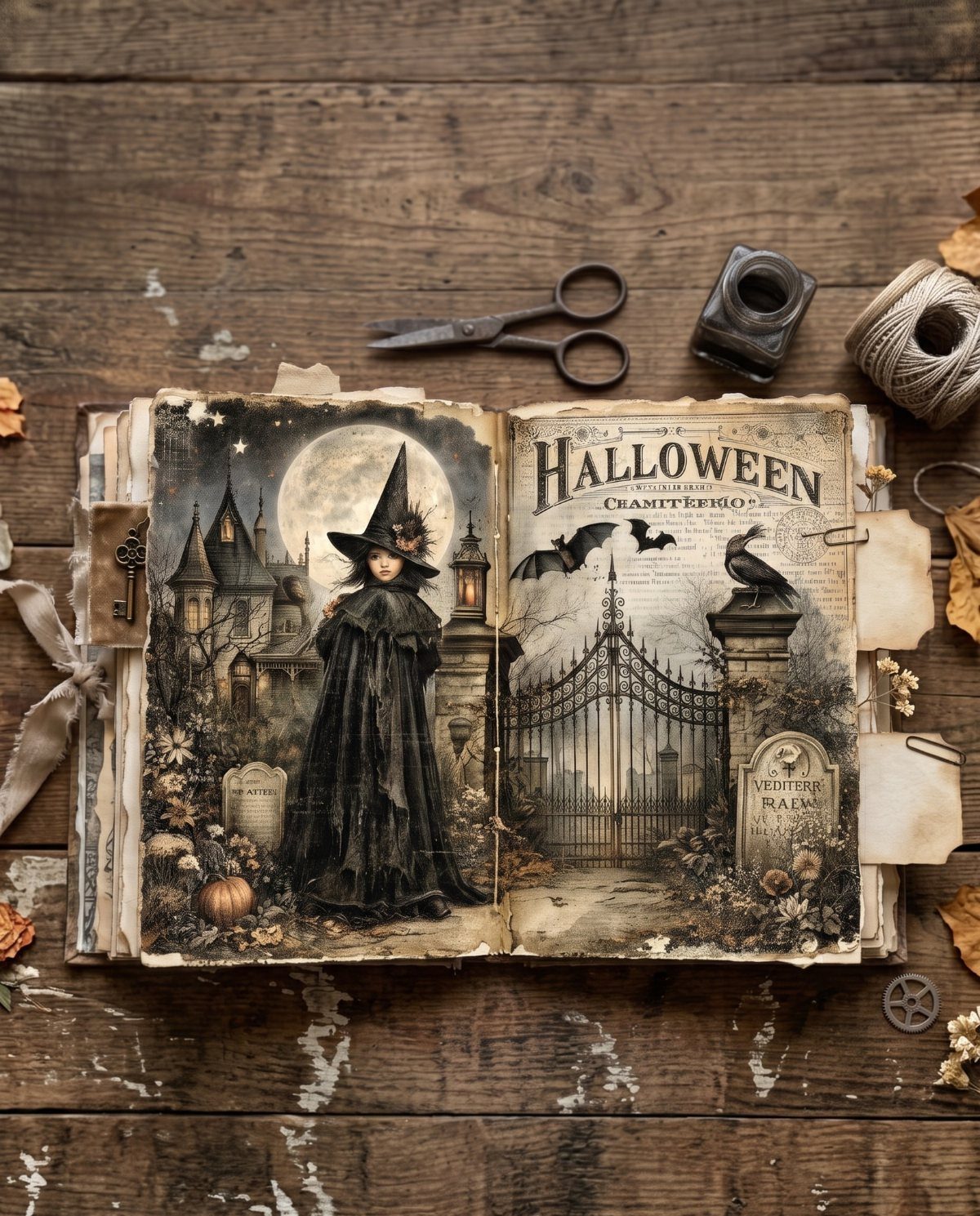
Old paper does the heavy lifting in a junk journal, so a witch, a cemetery and a few stamped marks can fill a spread before you write a word.
Gather scissors, a stamp, twine and whatever vintage-looking scraps you have on hand.
Layer the pieces, then tie the pages together with twine. I would stick to one holiday per journal; a single theme keeps a pile of mismatched scraps looking intentional.
14. Tie-Dye Fabric
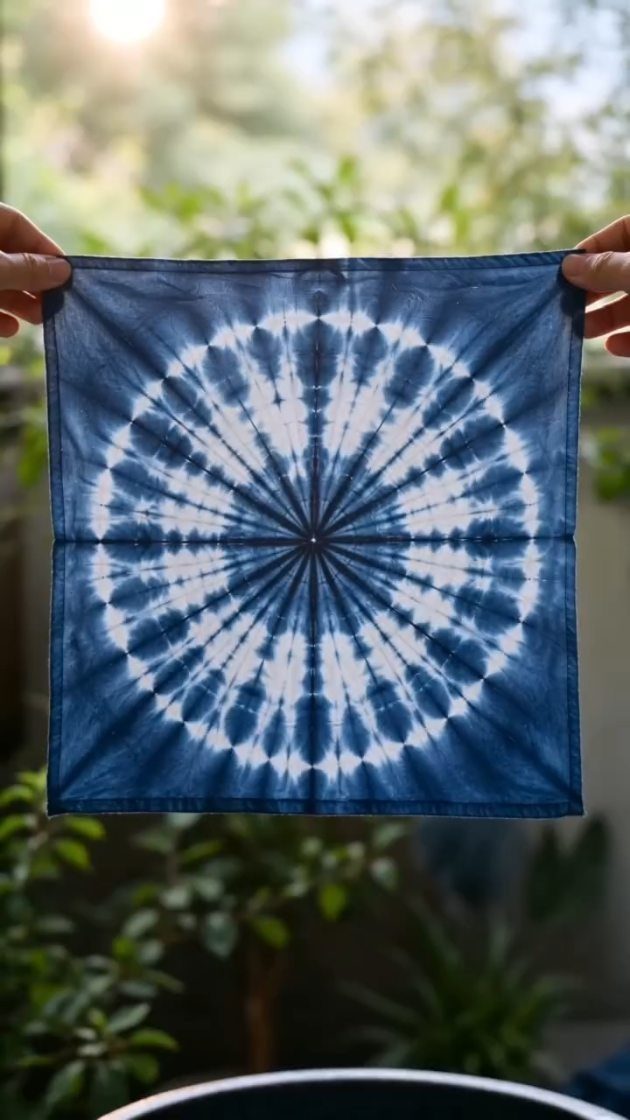
A square of cotton, a radial fold and 2 colors are enough for a crisp blue and white design. Pleat the cloth around its center and bind it so the pattern spreads outward in rings.
Keep to 2 colors. Adding a third is where a clean radial pattern turns muddy, and the plain white left between the folds is what makes the blue look sharp.
Cotton takes dye well and costs little, which suits a budget evening project.
15. Pressed Flower Resin Coasters
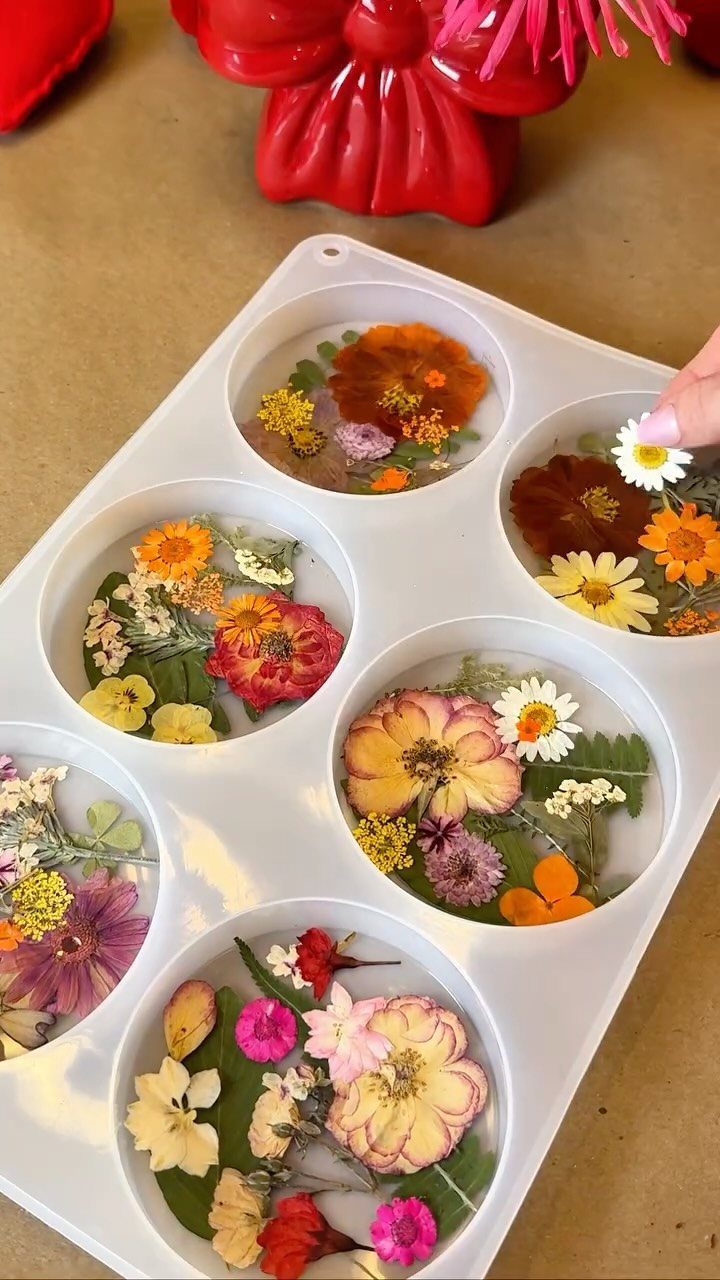
Resin turns a handful of dried flowers into a coaster you can set a cup on. A circular silicone mold gives you the shape, and the flowers go in while the resin is still liquid.
Place the small blooms with your fingers or tweezers, and arrange the colors before the resin starts to set. I like a mix of colors with one white flower as the anchor, since it stops the busy palette from blurring.
Always use dried flowers, never fresh ones.
16. Acrylic Pour Painting
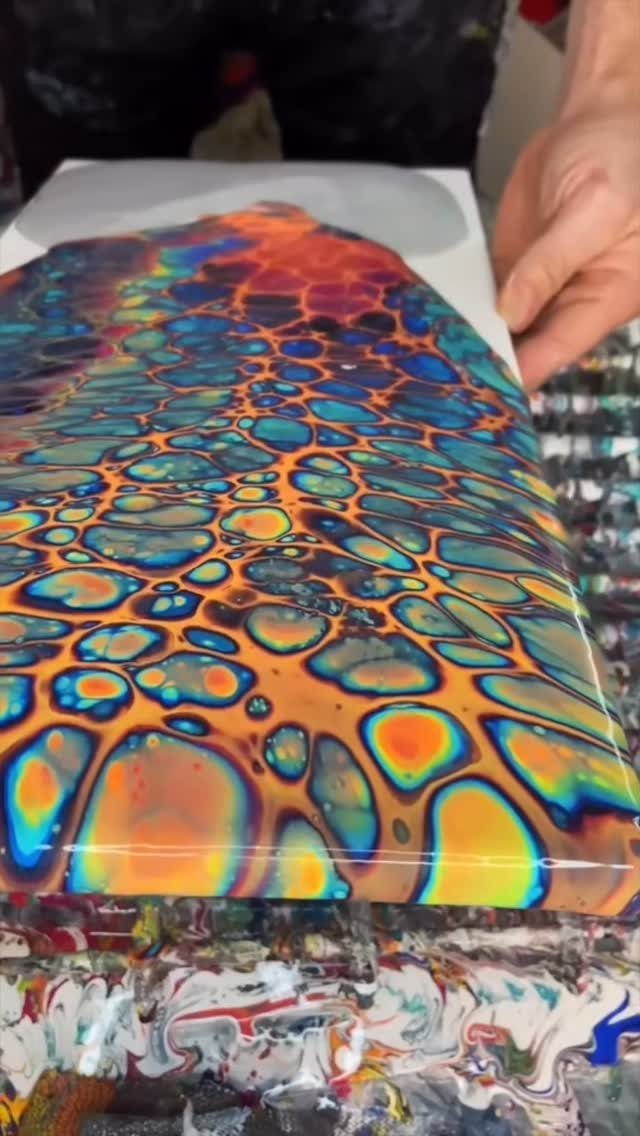
Acrylic pour painting rewards letting go: the paint moves on the canvas, and the cells that form are mostly out of your hands. That makes it relaxing for anyone tired of controlling every brushstroke.
Expect mess. Cover your workspace well, because paint will run past the canvas edges.
Choose colors that contrast with each other, since the cells show up best where 2 shades meet. Keep the palette to a few colors so the swirls stay readable.
17. Hand-Painted Ceramic Trinket Dishes
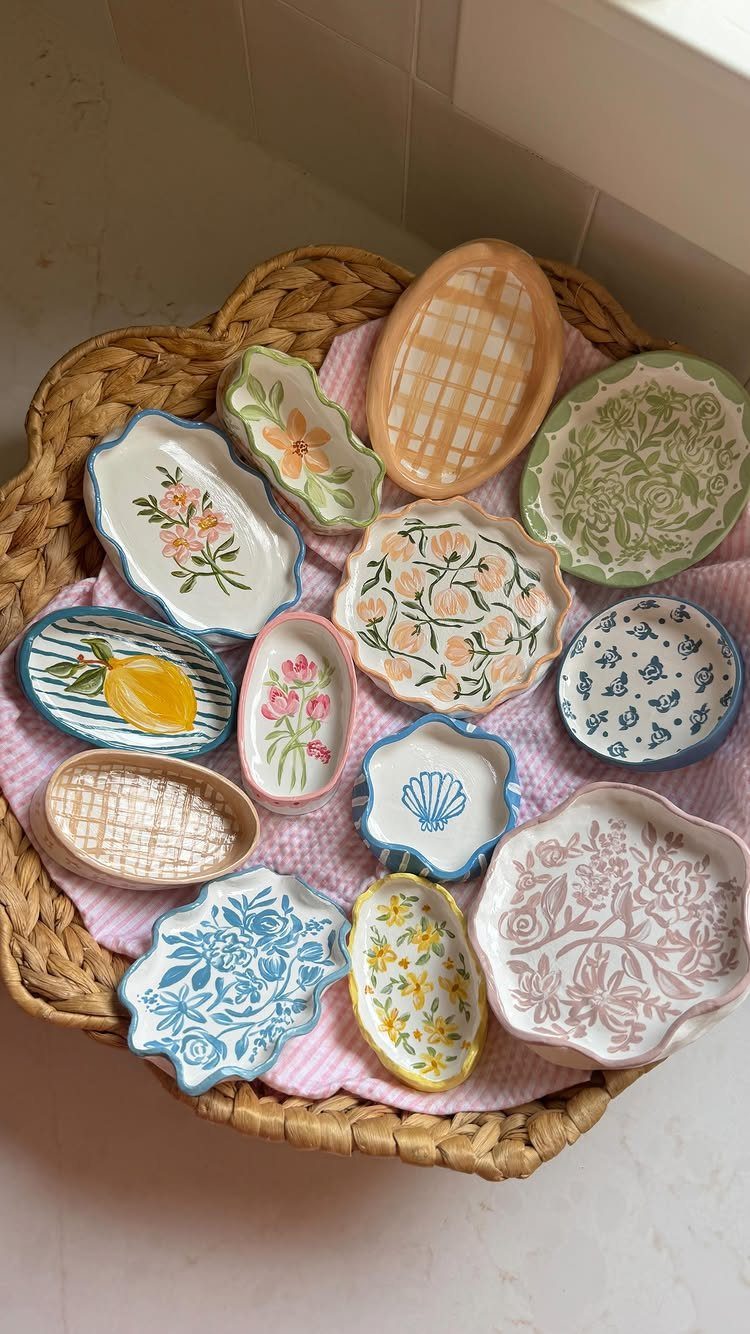
Small ceramic dishes are cheap canvases, and fruit or floral motifs fit their size well. Simple shapes like a cherry, a lemon slice or a daisy are easier to paint cleanly than a detailed scene.
Mix patterns, but keep the colors in one family so a basket of dishes reads as a set. I would line the basket with checkered fabric, as the plain pattern lets the painted designs do the talking.
Dishes make an easy gift to hold rings or earrings.
18. Handmade Beaded Bracelets
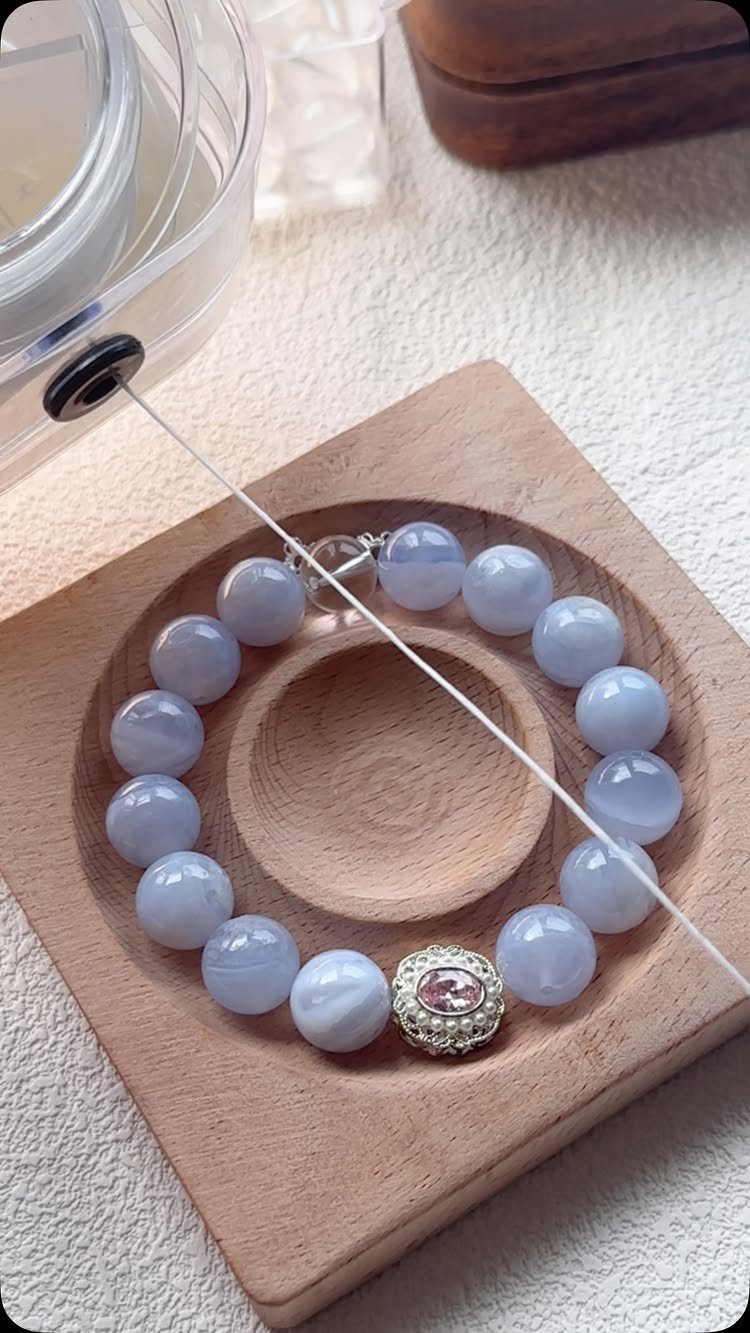
Stone beads in a soft light blue make a bracelet that looks more expensive than it is. String them on cord, then add one ornate charm as the focal point; a single charm shows better than several.
A clear plastic tool helps guide the string through the beads, which saves your fingertips when you are threading small holes.
Lay the beads out on a tray before stringing so you can check the order. Moving them around costs nothing, while restringing does.
19. Sewing Canvas Tote Bags
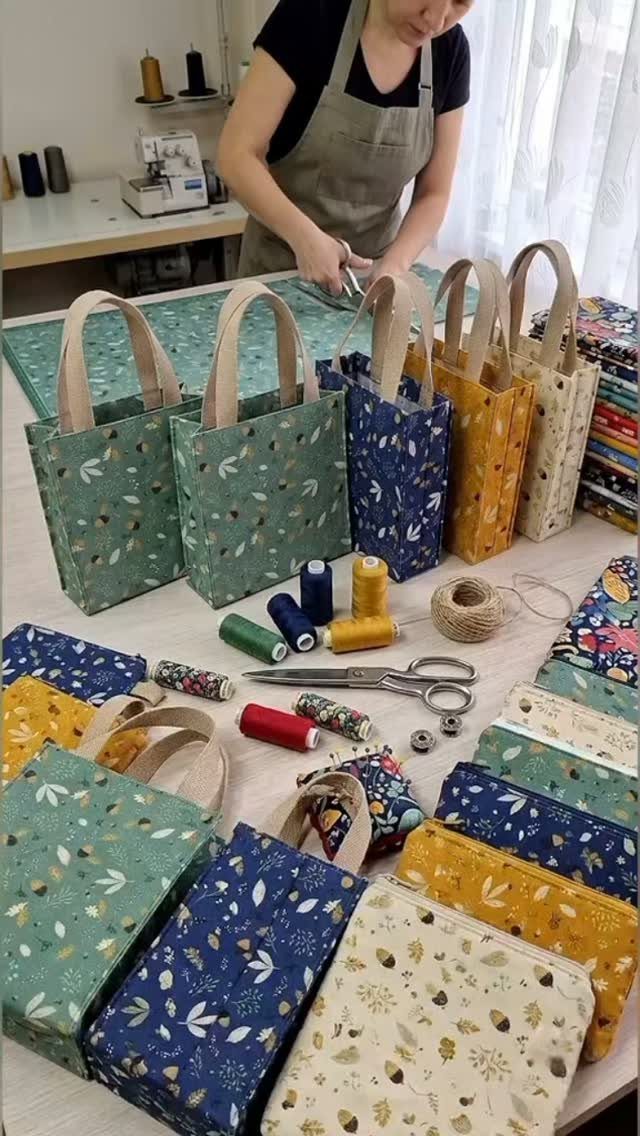
A canvas tote is a forgiving first sewing project, because the shape is two rectangles, two straps and straight seams.
Patterned fabric hides small wobbles in your stitching, so choose a print over a solid if you are still building confidence.
Trim every piece with a rotary cutter or sharp shears before you sew, since uneven edges are what make a bag hang crooked.
I like making a few at once in different prints; cutting in one batch saves time and gives you ready gifts.
Fabric is the only real cost.
20. Ocean Wave Resin Canvas Art
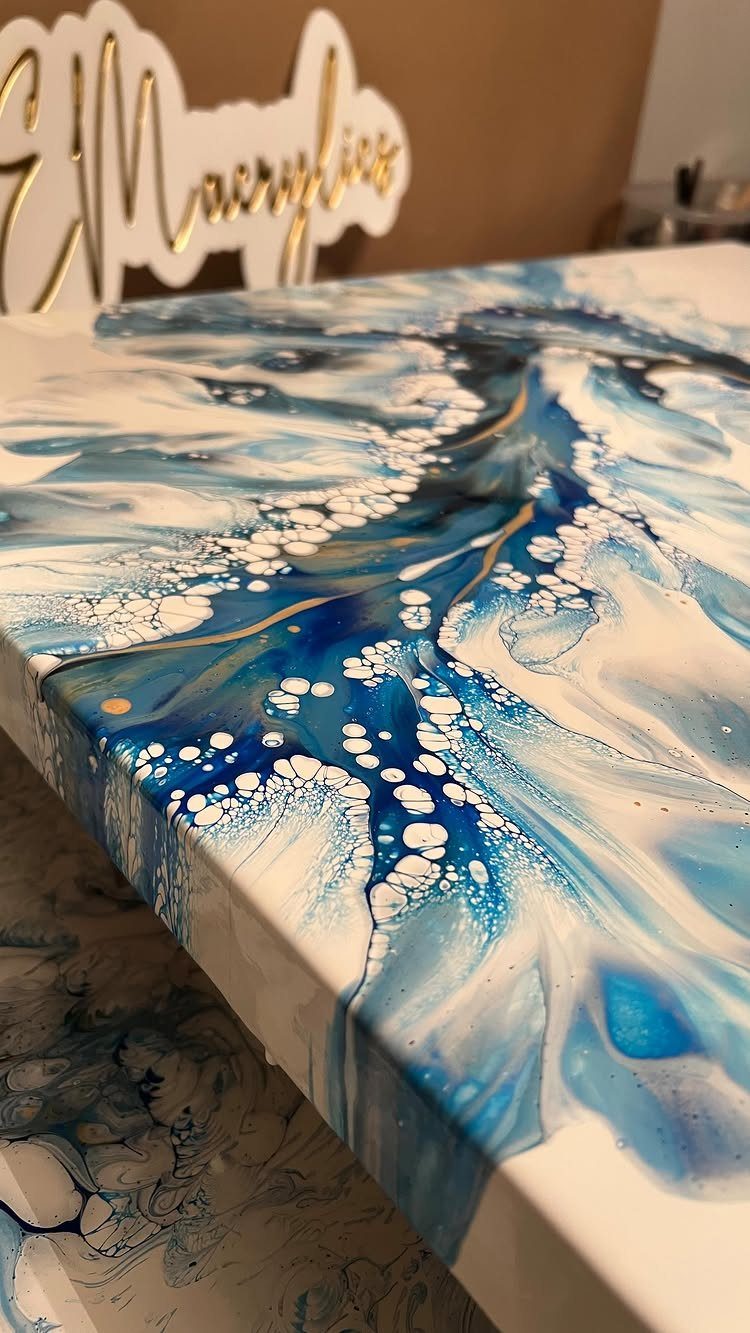
Layered blue and white resin can read as breaking surf on a canvas, and the white is what sells the effect. Let the blue flow around it rather than stirring the two together, so the edges stay crisp.
Gold accents along the wave lines catch light and give the piece a finished look. Add them sparingly, because a little gold goes a long way against blue.
Work on a level surface and protect the table underneath, since resin drips over the canvas edges. Resin costs more than paint, so a small canvas is the sensible place to start.
21. Watercolor Stripe Art
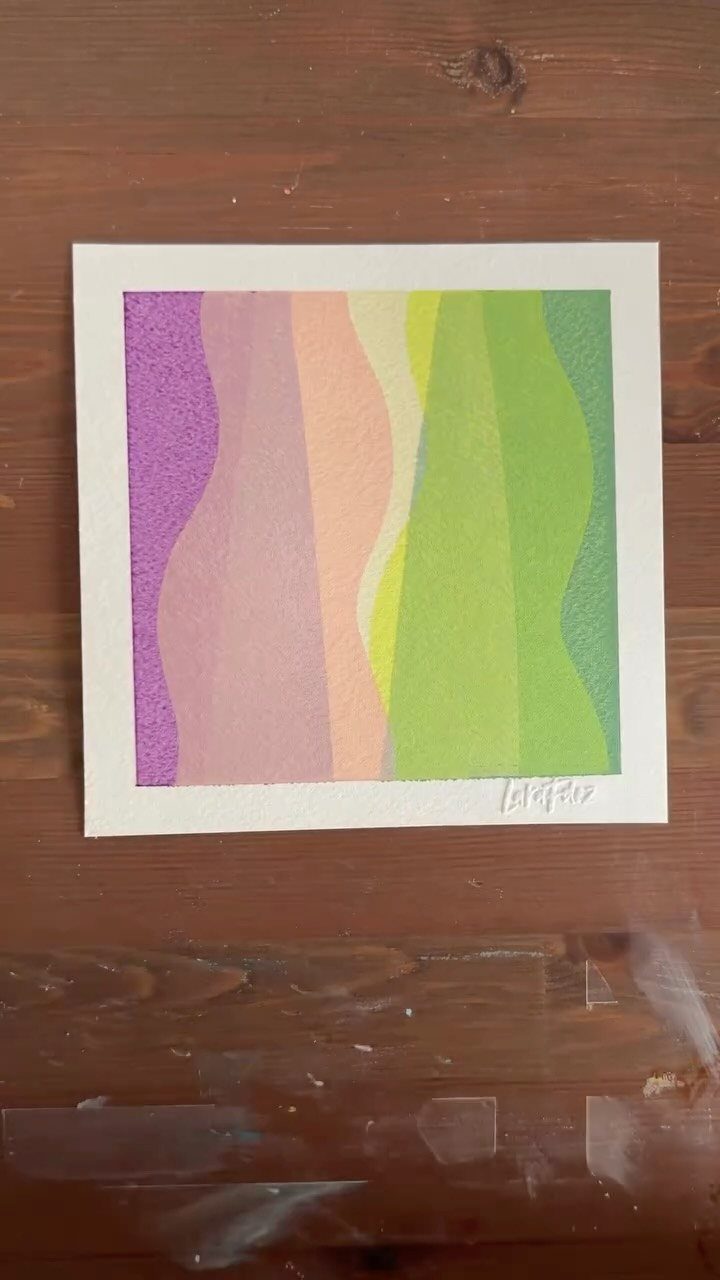
Wavy vertical stripes in pastel watercolor need nothing but paper, a few paints and a steady hand.
Soft colors like purple, pink, peach, yellow and green work well together in watercolor stripes because they share a light value, so no single band pulls the eye away from the rest.
Paint one wavy band, then start the next while the edge is still damp, so the neighbors melt together slightly. A square format keeps the stripes balanced.
Let each band follow the curve of the last, and the whole piece reads as one flowing rhythm. Sign the corner when it is dry.
Therapeutic Benefits of Crafting
Short, regular sessions beat one long weekend binge. Even 15 minutes a day adds up, and a small habit is easier to keep than a big plan.
Pick a craft you can pick up and put down without ruining it. Knitting and painting are the two most often named for stress relief, and both stop cleanly at any row or brushstroke.
Crafting side by side is an easy way to connect, and it gives you someone to talk to while your hands stay busy.
Don’t chase a perfect result. The calm comes from the doing, so let a wobbly first piece stay wobbly.
For a wider circle of makers, a local class or an online group works well, and either one is a quick way to pick up techniques you haven’t tried.
Crafting for Profit
Printables are the lowest-risk place to start, since digital products like planners, wall art and templates carry high profit margins with almost no inventory. Seasonal designs sell well because buyers shop for every holiday, and that fits a year-round crafter.
Resin jewelry, scented candles and home fragrance, macramé wall hangings, polymer clay jewelry and natural soaps and bath bombs are the other categories I would look at.
For physical goods, the standouts are an unusual scent, a distinctive container or good packaging.
Etsy, Amazon Handmade and Renegade Craft each suit a different seller.
Etsy gives you built-in search and a ready community, Amazon puts your work in front of the largest crowd, and Renegade draws a smaller, juried audience that comes looking for handmade pieces.
Whatever you choose, use clear photos, plain descriptions and keywords buyers would actually type. Posting short clips or photos of how a piece comes together gives buyers a reason to pick yours over a similar one.
Budget-Friendly Crafting
Start with a look around your own house before you shop. Everyday items can become craft materials, and that saves money while keeping usable things out of the trash.
When you do shop, dollar stores such as Dollar Tree and Dollar General are worth a lap. Wood surfaces and wood embellishments, terra cotta pots and printed napkins for decoupage are the finds I’d go straight for.
Buy one project’s worth at a time. A cheap haul only stays cheap if you finish what you bought.
Frequently Asked Questions
What homemade craft makes the most money?
Digital planners, wall art and templates cost almost nothing to stock, which makes printables the safest first product to sell.
Holiday designs have a built-in repeat audience, since the same buyers come back for Halloween, Christmas, Easter and every date between.
What are common DIY projects?
Crochet, embroidery, candle making, macramé and wreath making are all common, along with painting projects like rock painting and watercolor stripes.
Home decor pieces such as pinboards, dried flower arrangements and plant holders made from cut bottles are also popular. Most need only a few cheap supplies, so mistakes cost little.
What can I craft when I’m bored?
Rock painting is a quick pick: paint a smooth rock with a base coat, let it dry, then add a moon or bats with a thin brush.
One rock takes an evening at most. A sheet of paper, three or four paints and a loose wrist are enough for watercolor stripes, and beads cost nothing to rearrange on a tray before you string a bracelet.
What to make with friends crafts?
Candle making is a friendly group project, since a glass jar holds the shape and everyone can pick a favorite scent. Painting also works well, whether acrylic pours or rock painting.