Who is holding the scissors decides where to start: Crafting with Kids covers the youngest hands, while Embroidered Photo Hoops and Beaded Felt Hearts suit patient adults.
Paper hearts, painted rocks, and a fork-stamped tulip need only glue, paint, and scraps, so small kids can make them at the table.
Resin suncatchers, wire hearts, crochet charms, and embroidery hoops call for patience, sharp or fragile tools, or some stitching practice, so I would hand those to older kids and adults.
The span runs from a Gummy Candy Hot Air Balloon you can eat to Shaped Wire Heart, which takes steadier hands and a pair of pliers.
1. Homemade Valentine’s Day Cards
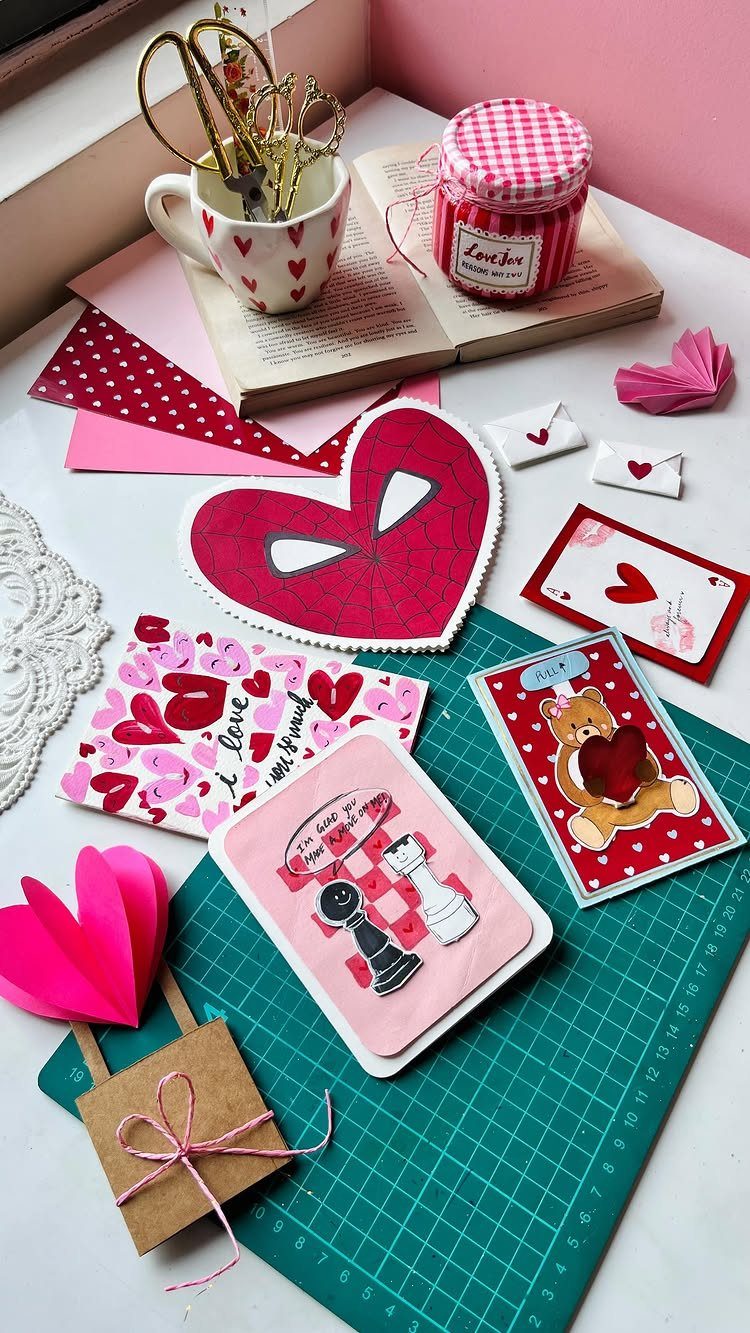
A "Love Jar" is a smart way to use handmade cards: write one reason you love someone on each small card and let them pull one out whenever they like.
Small cards are quick for kids and adults alike, and a pile of them costs little in paper.
Hearts and small drawings carry the look without any lettering skill. Keep each message short so a whole batch fits in one sitting.
2. Tissue Paper Flowers
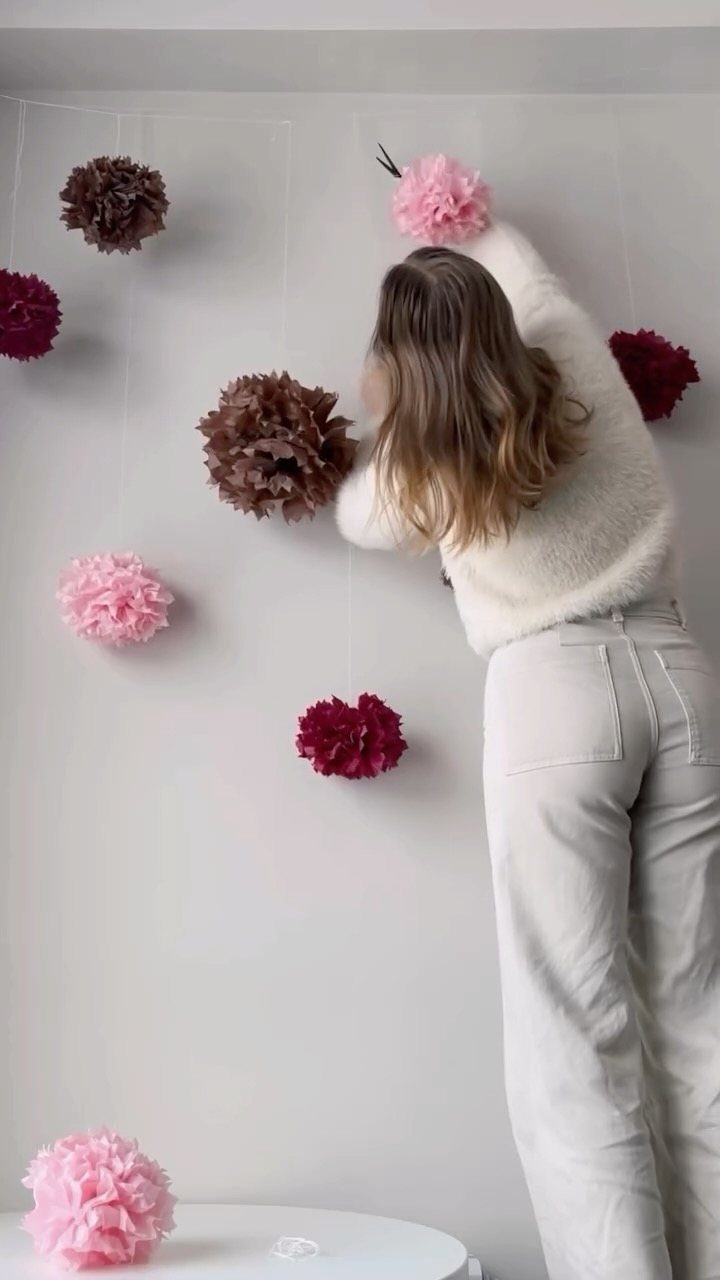
Pink and red tissue paper pom-poms hung on a plain wall make a party backdrop for the price of a pack of tissue. Layer the sheets, fold them accordion-style, and fluff each layer outward one at a time.
Hang a cluster at different heights rather than a straight row; it looks fuller with fewer flowers. A mix of pink, red, and a brown accent keeps the palette warm without getting too sweet.
3. 3D Paper Hearts
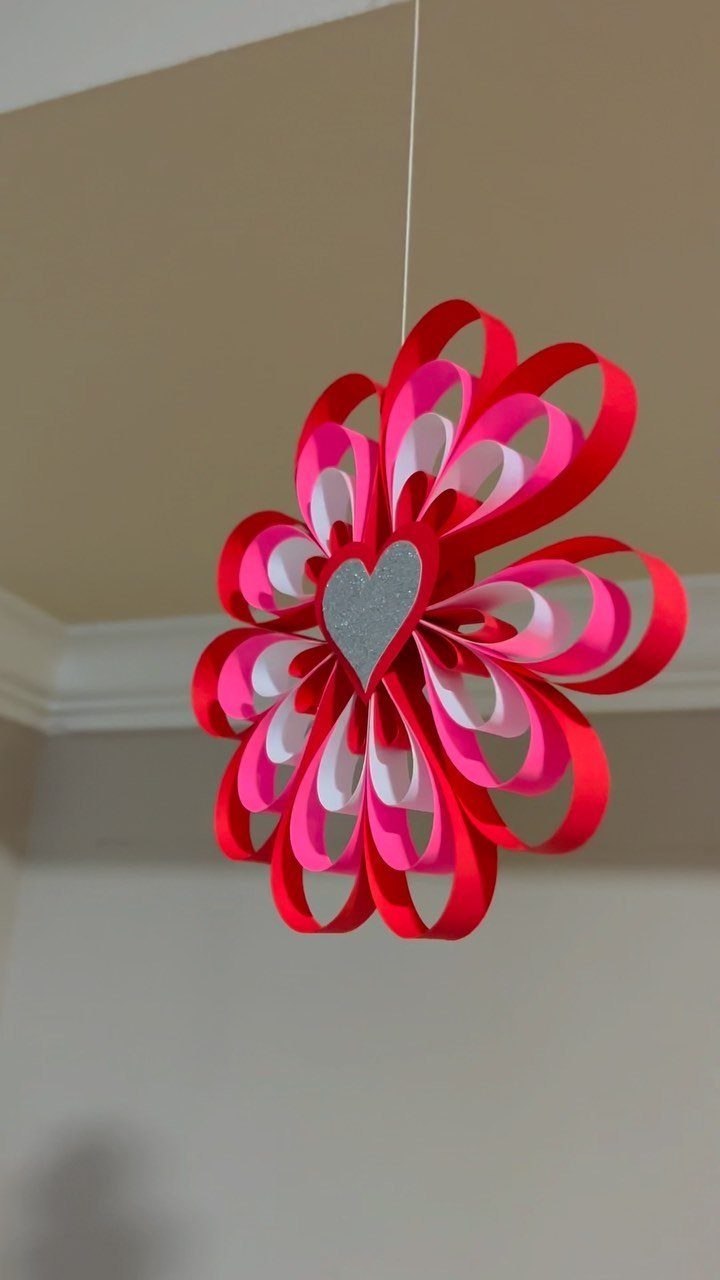
Loops of red, pink, and white paper, joined around a center, give a flat heart real depth. A silver glitter heart in the middle hides the join where the loops meet, which is the messiest part of the build.
Hang it from a single string and it turns slowly in any draft. Cut every strip to the same length, since uneven loops are what make a 3D heart look lopsided.
4. Heart Button Art
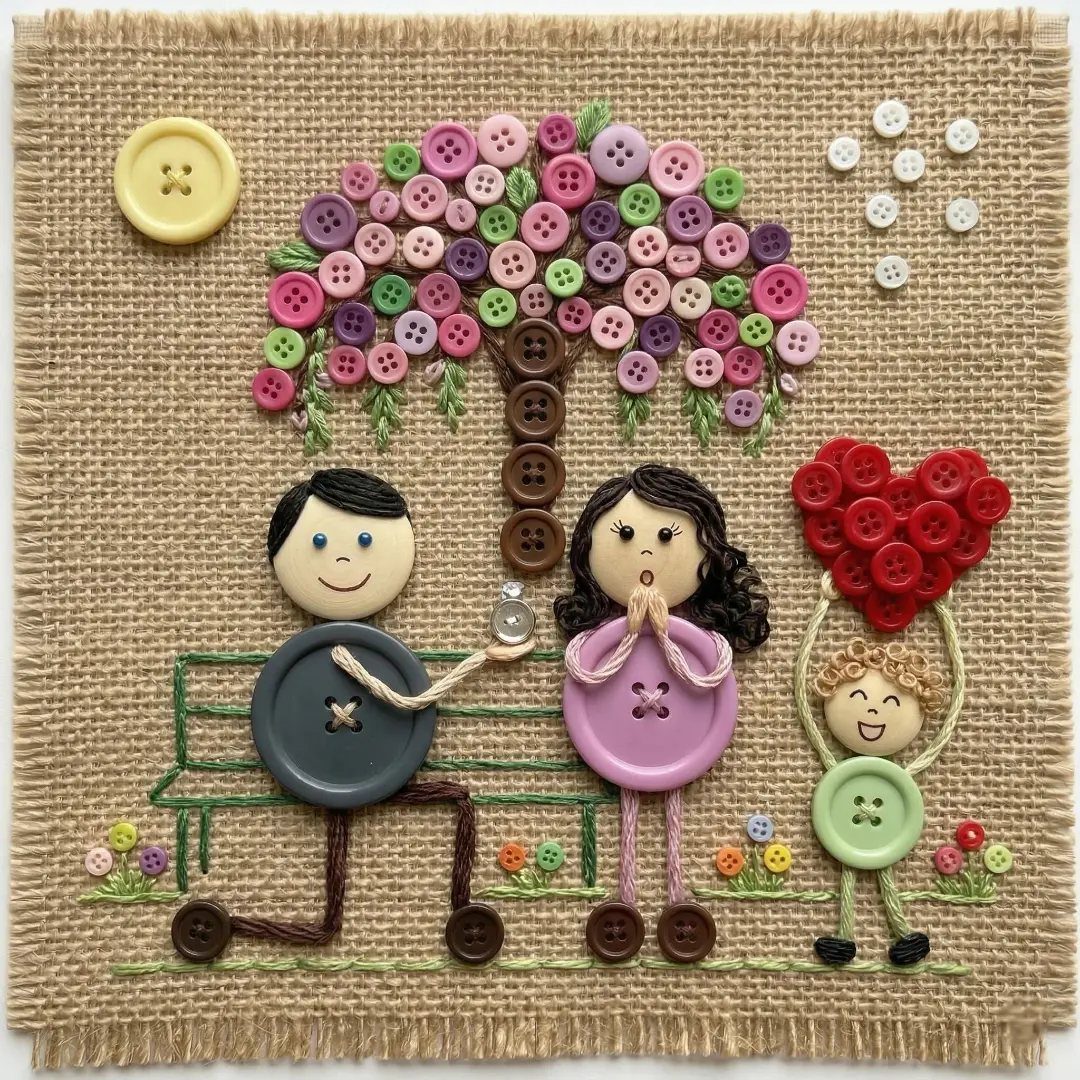
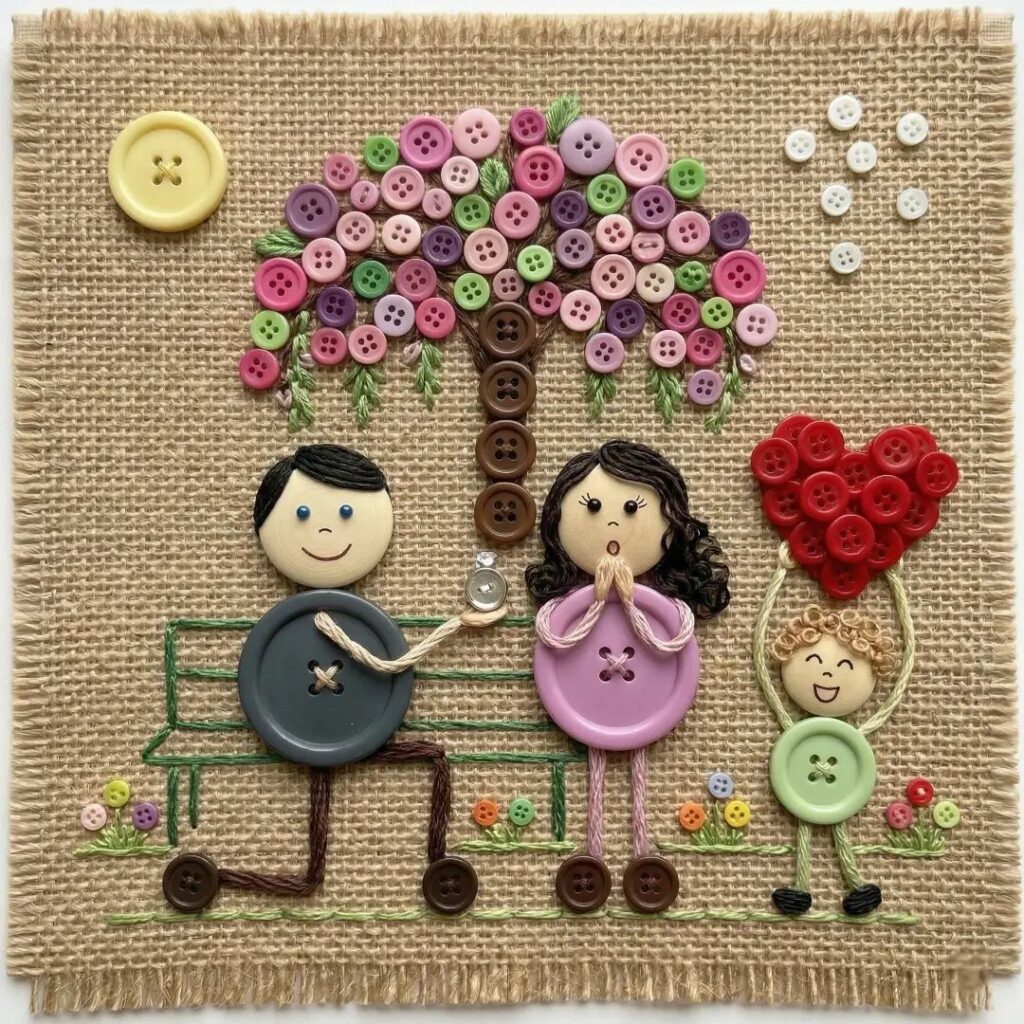
Buttons are the best use of a jar of odds and ends: they supply color, texture, and a little weight, and they cost almost nothing. Burlap makes a sturdy backdrop that takes glue or stitches well.
Pick buttons in a strong red for the heart so it stands out from the neutral ones around it. Sort buttons by color before you start, and lay the whole scene out dry before gluing a single one.
5. Easy Valentine Sewing Project: Scrap Fabric Heart Pockets
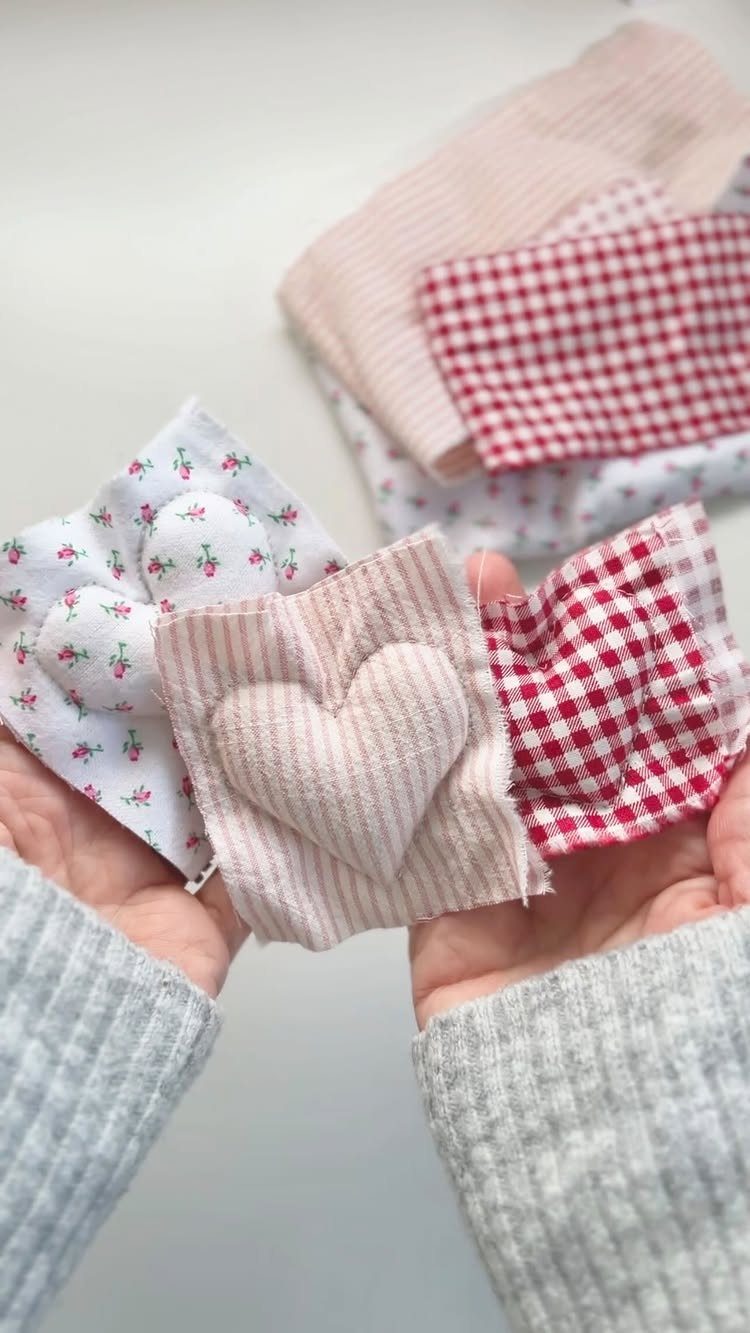
Scrap fabric hearts are a gentle first sewing project, because the shapes are small and mistakes hide in the stuffing. Each heart is stitched onto a fabric square, so a bag of leftover cotton is all the material you need.
Sew nearly all the way around, stuff the heart lightly, then close the gap.
Pick contrasting fabrics for heart and square so the shape reads clearly. Make three at once; a small batch is quicker than it sounds.
6. Heart Suncatchers
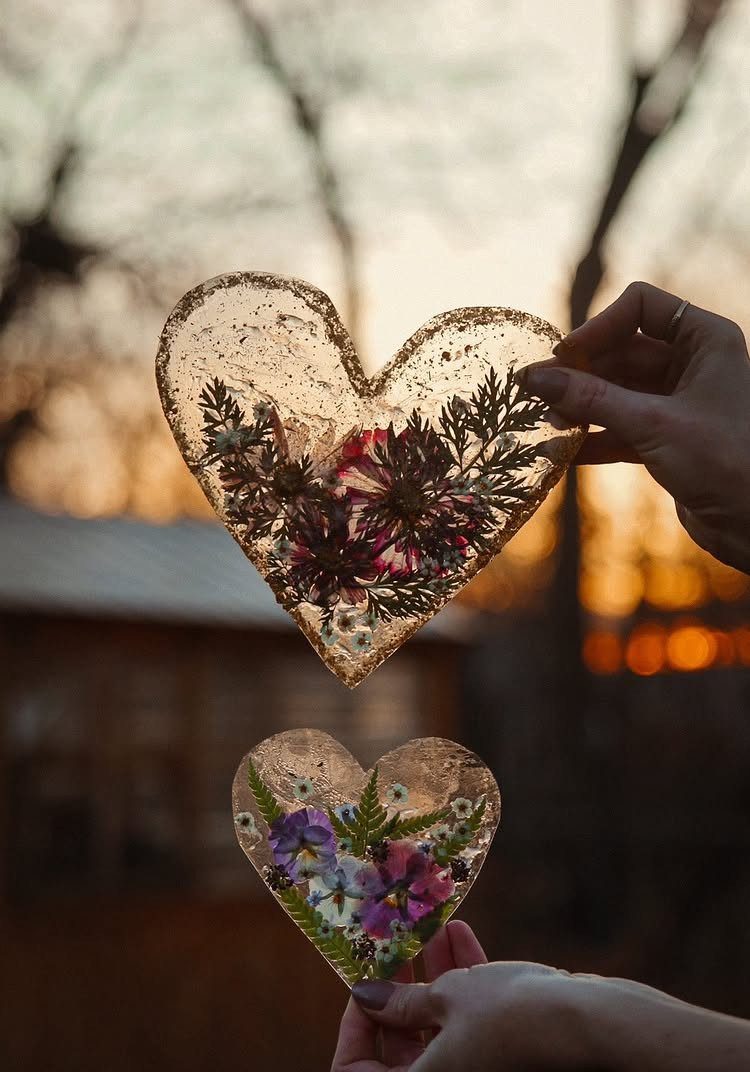
Pressed flowers sealed inside a heart-shaped resin suncatcher catch light best in a window, where the petals glow. Dry the flowers flat first, since moisture is what ruins resin.
Resin takes patience and careful ventilation, so I would not hand it to young kids.
For a classroom, a gelatin-style version works: the maker’s recipe stirs 2 tablespoons of corn syrup or honey into water and vinegar, then adds cornstarch whisked with water.
7. Heart Pencil Toppers
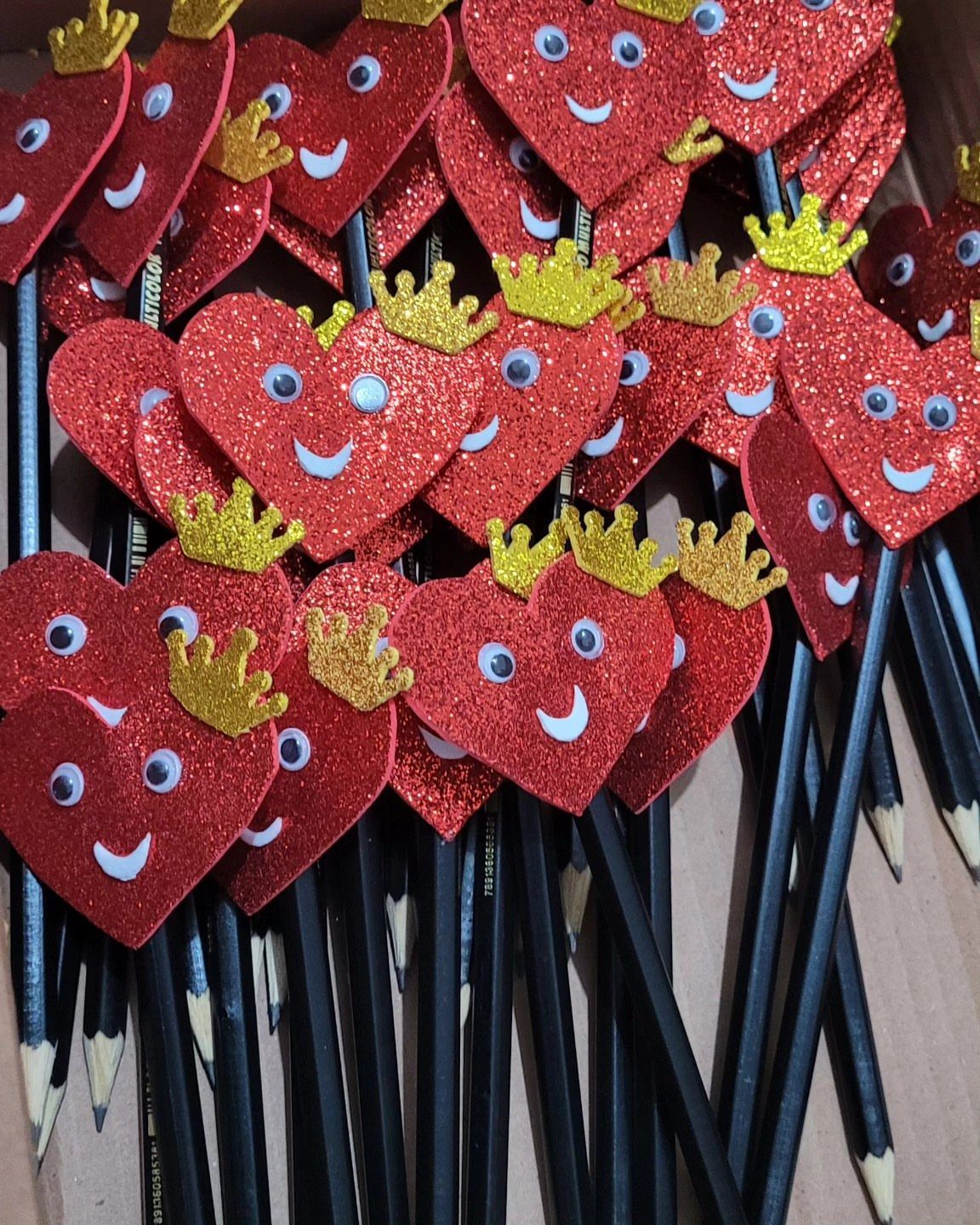
Googly eyes and a small crown give a glittery heart topper enough personality that kids actually want to clip it on.
Cut the hearts from glitter foam or cardstock, glue the crown and eyes on, then fix each heart to a pencil.
Black pencils make the red and gold stand out. A batch of these works as a classroom handout, and the cost is mostly the pencils.
8. Watercolor Cards
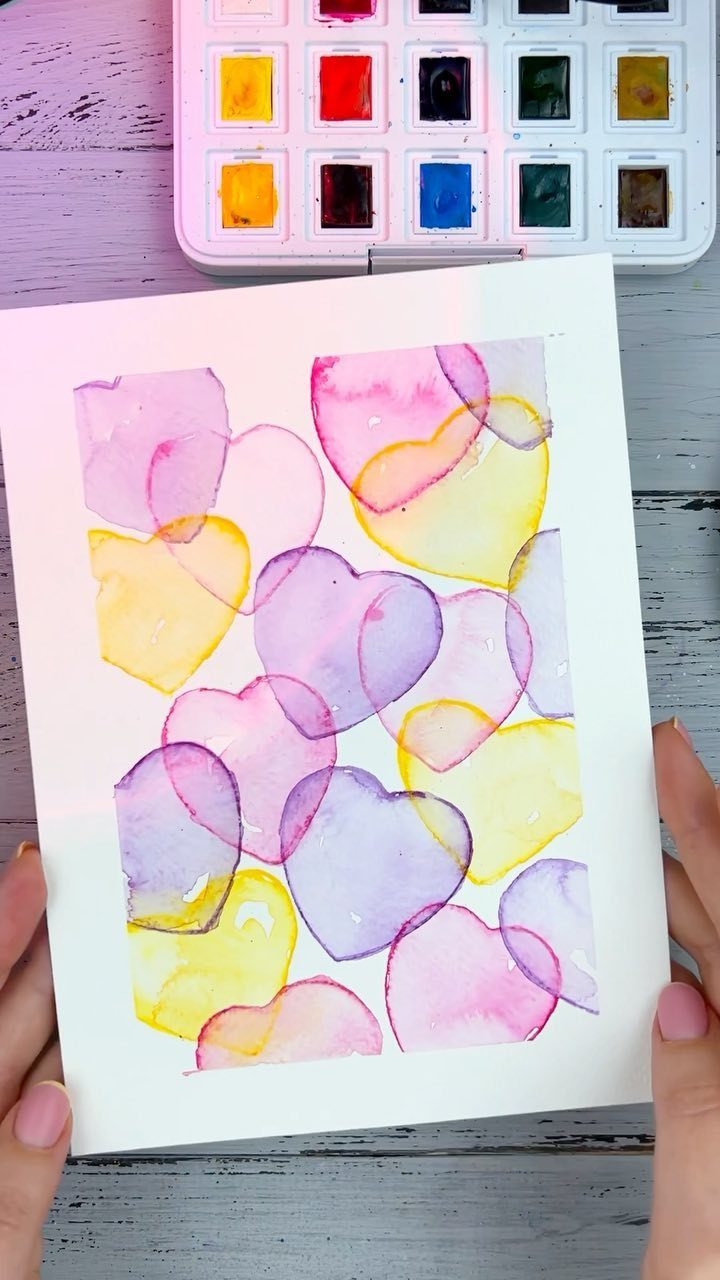
Overlapping hearts are forgiving in watercolor, because where pink, yellow, and purple cross, the layers blend into new shades with no extra mixing. Use white cardstock or watercolor paper so the card does not buckle.
Let each heart dry before painting the next if you want clean edges; paint onto a wet one if you like soft blends. A small paint set is all the supplies this takes, and each card is quick to finish.
9. Heart Wreath
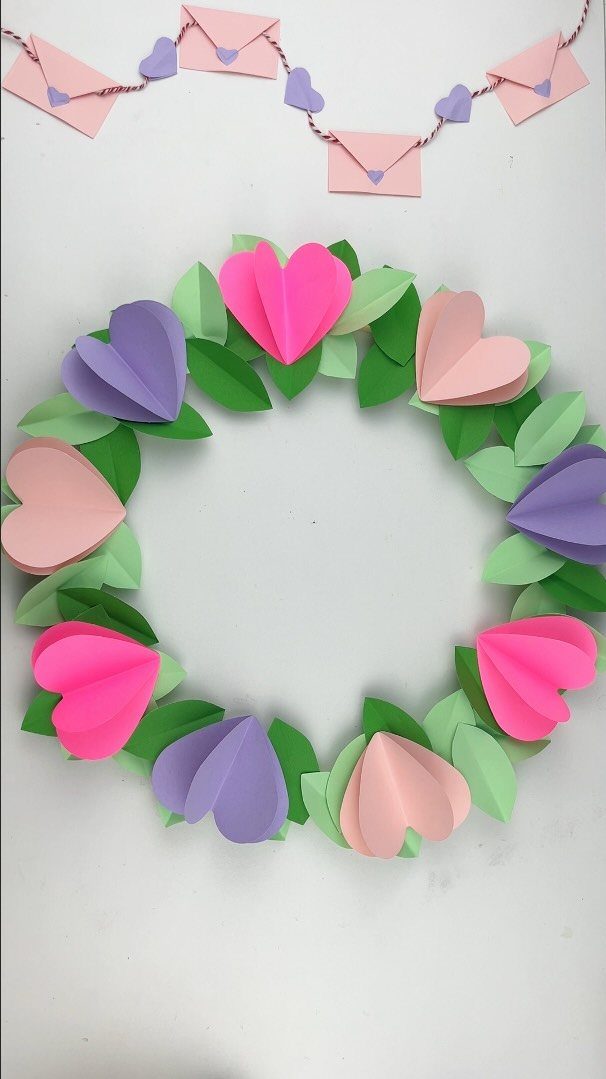
Paper hearts layered like petals, with green leaves tucked between, make a wreath that costs a few sheets of colored paper. Pink and purple hearts on green wrapping paper read less expected than solid red.
Cut every heart from one template so the ring stays even. Glue them onto a cardboard ring, overlapping each one slightly so no base shows.
10. Flowerpot Valentine’s Craft
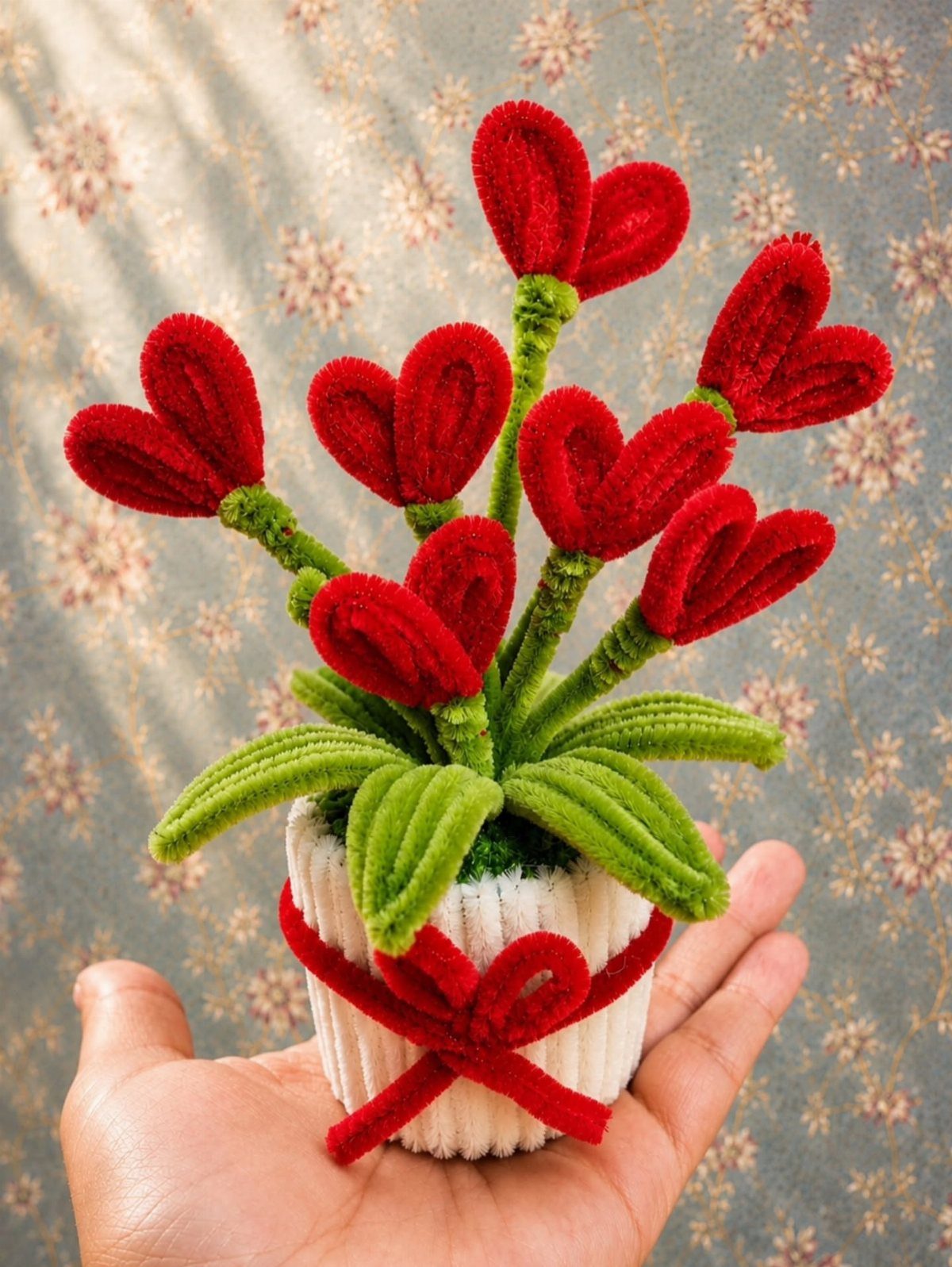
Red pipe cleaner hearts on stems, planted in a small white pot, make a bouquet that never wilts. Bend each pipe cleaner into a heart and twist the ends into a stem, then add green leaves.
Fill the pot with floral foam or crumpled paper so the stems stand upright.
A ribbon bow around the pot rim pulls the whole thing together. I like this for kids giving a gift, since fuzzy wire is easy to bend and nothing needs glue.
11. Valentine’s Day Painted Rocks
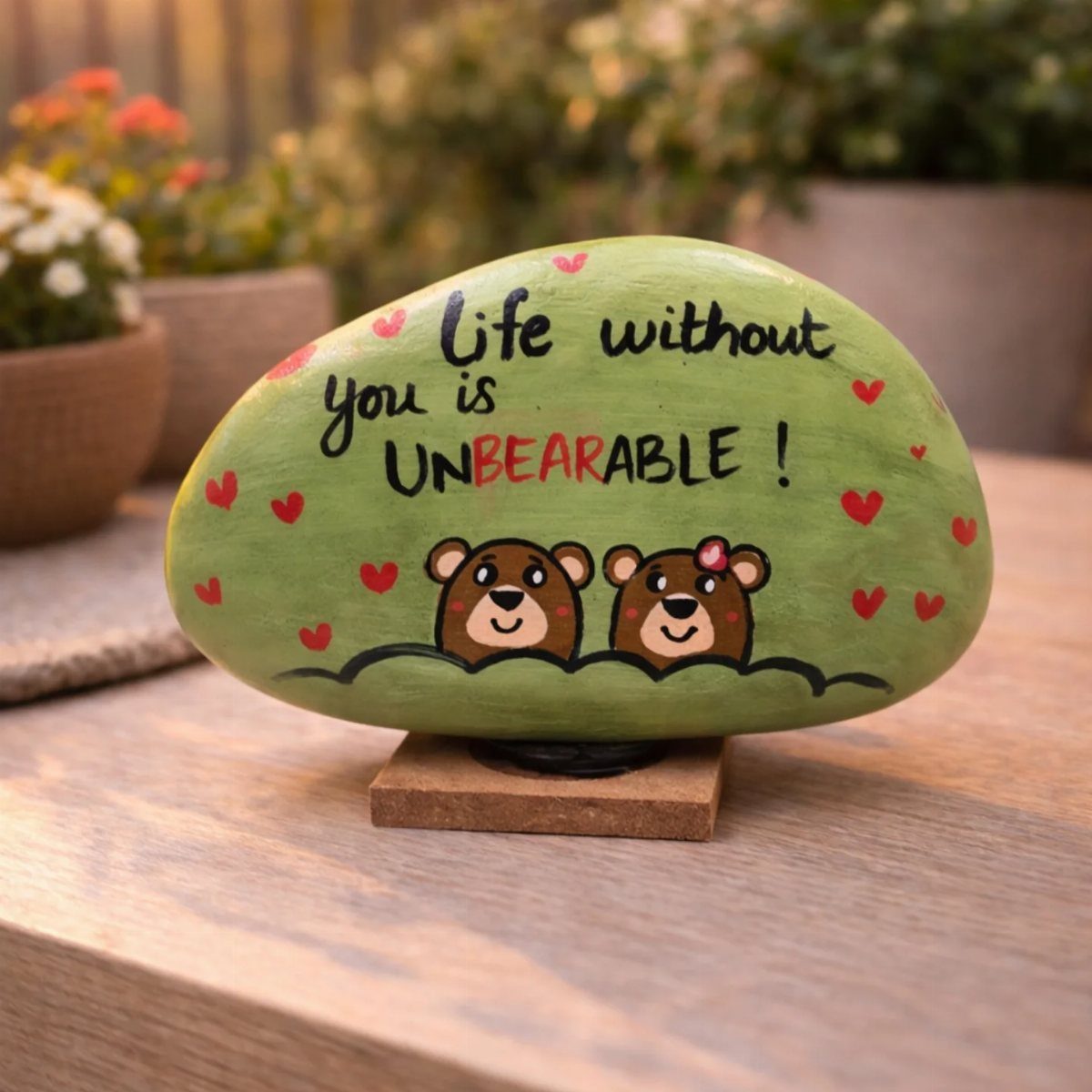
A pun does the work on a painted rock: two bears and "Life without you is UNBEARABLE!" is a joke and a love note in one. Pick a smooth rock with a flat face so the lettering has room.
Paint the background first and let it dry, then add the drawings and write the words last, with a fine brush or paint pen.
Keep the message short enough to fit. A small wooden stand lets it sit on a desk or shelf.
12. Embroidered Photo Hoops
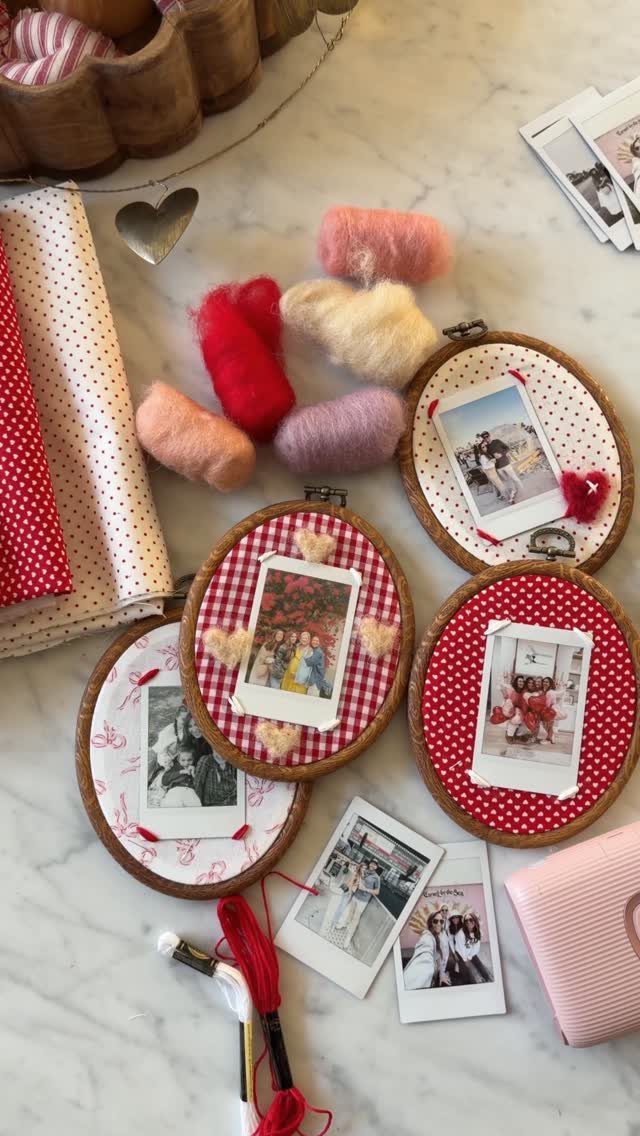
A photo stretched in a wooden embroidery hoop looks like a keepsake without any framing cost.
Place the printed photo on patterned fabric, with red and white prints working well for Valentine’s Day, then tighten the hoop to hold it flat.
The maker described the piece as a handmade Valentine for anyone special, or a little love note to yourself.
I like that: small hoops make good gifts. Trim the fabric on the back and glue it down for a tidy finish.
13. Concentric Paper Heart Art
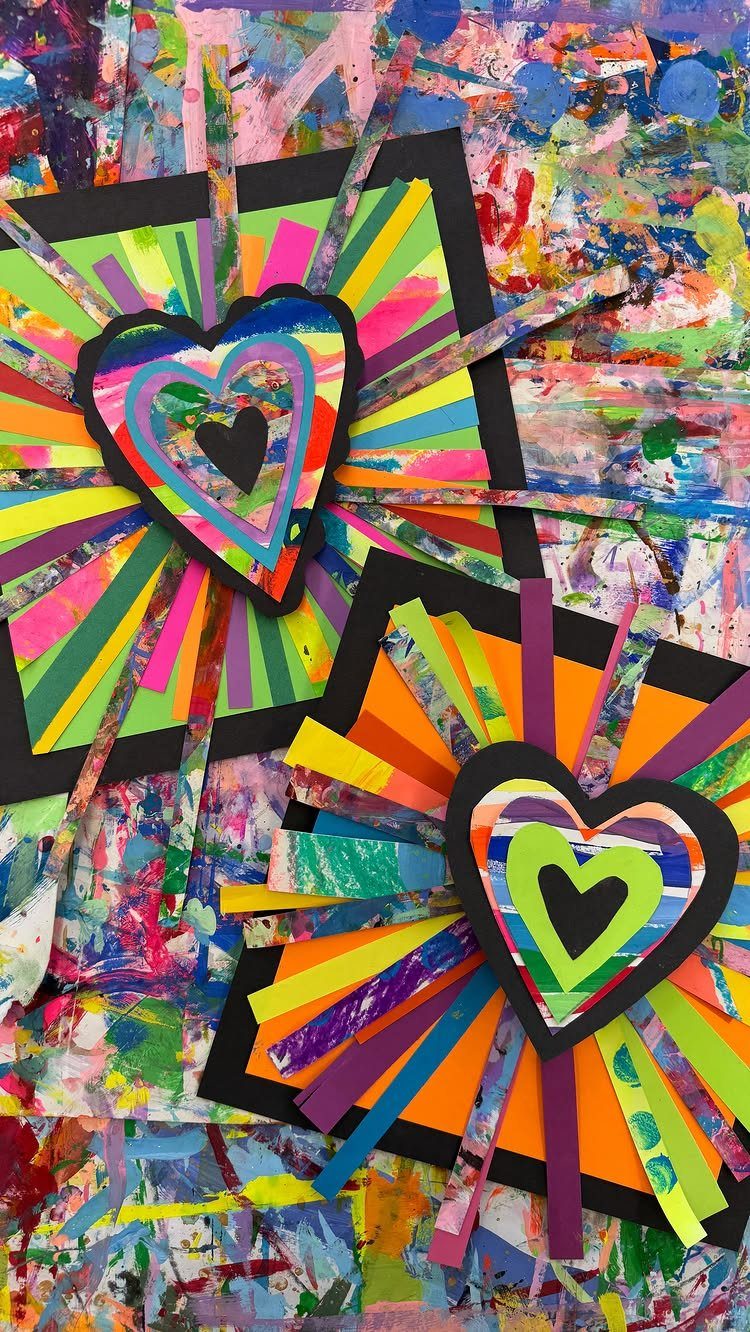
Nested hearts in graduated sizes, with cut strips fanning out around them like rays, turn a few scraps of colored paper into a bold piece of wall art.
Cut each heart a little smaller than the last and stack them, so every layer shows a thin band of color.
Pick colors that contrast neighbor to neighbor, since the rings are the whole design. Paint splatters on the background paper add energy and need no skill.
14. Heart Photo Wall Collage
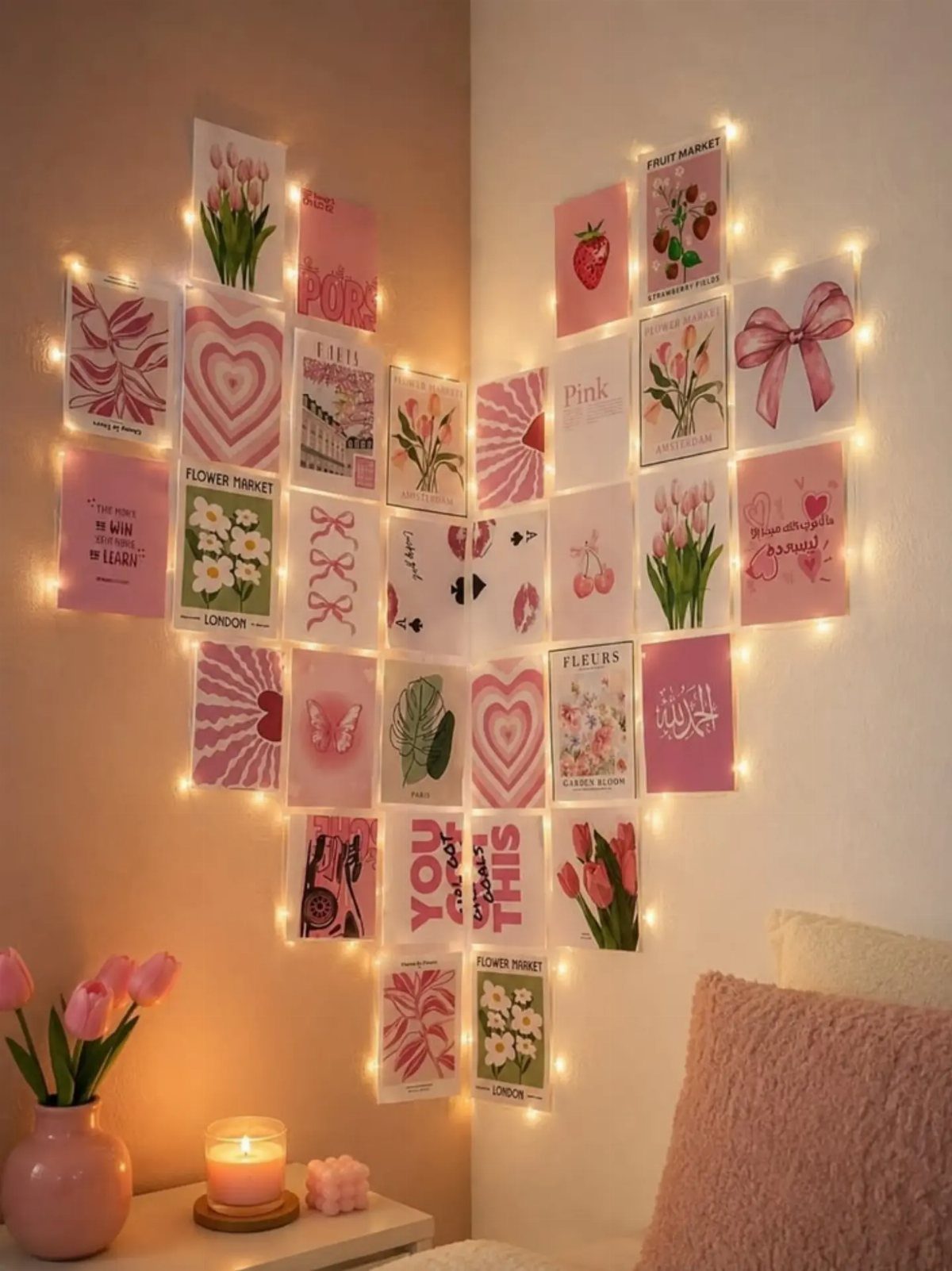
A heart outline built from postcards and prints looks planned, and fairy lights tucked along the edges make it glow at night. Pink-toned images hold the palette together, so the shape reads even from across a room.
Lay everything on the floor first and arrange it into a heart before touching the wall. Removable adhesive strips are my pick for a bedroom wall, because you can shift a card that sits crooked.
15. Fork Painted Tulips
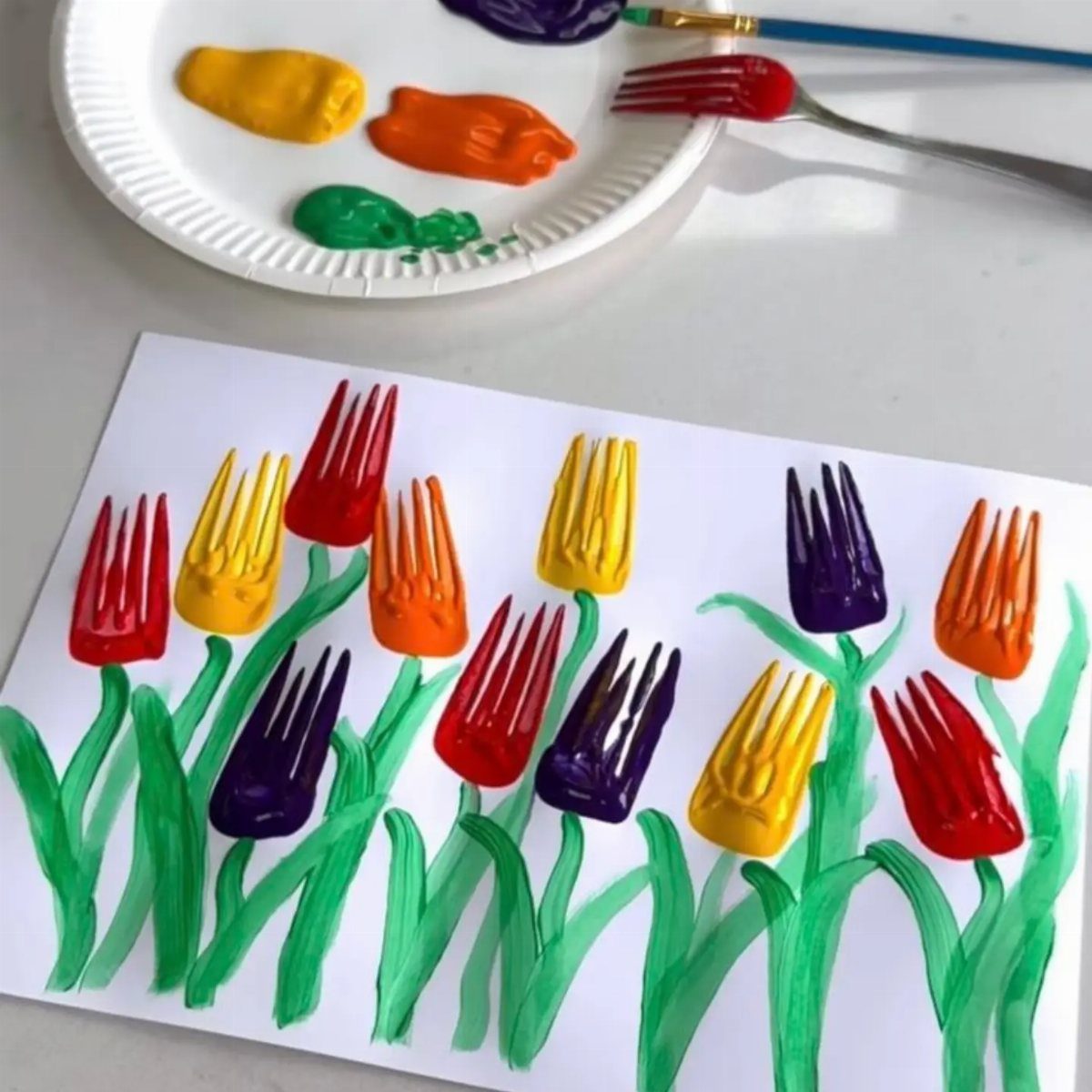
Press a fork’s tines into paint and stamp it down, and each print becomes a tulip bloom. Draw a green stem under every one with a brush, and the row looks like a garden.
Spread paint on a plate so the tines load evenly.
Use a different color per tulip, and wipe the fork between colors. This is a good project for small kids, since the supplies are a fork, a plate, and paint.
16. Woven Fabric Hearts
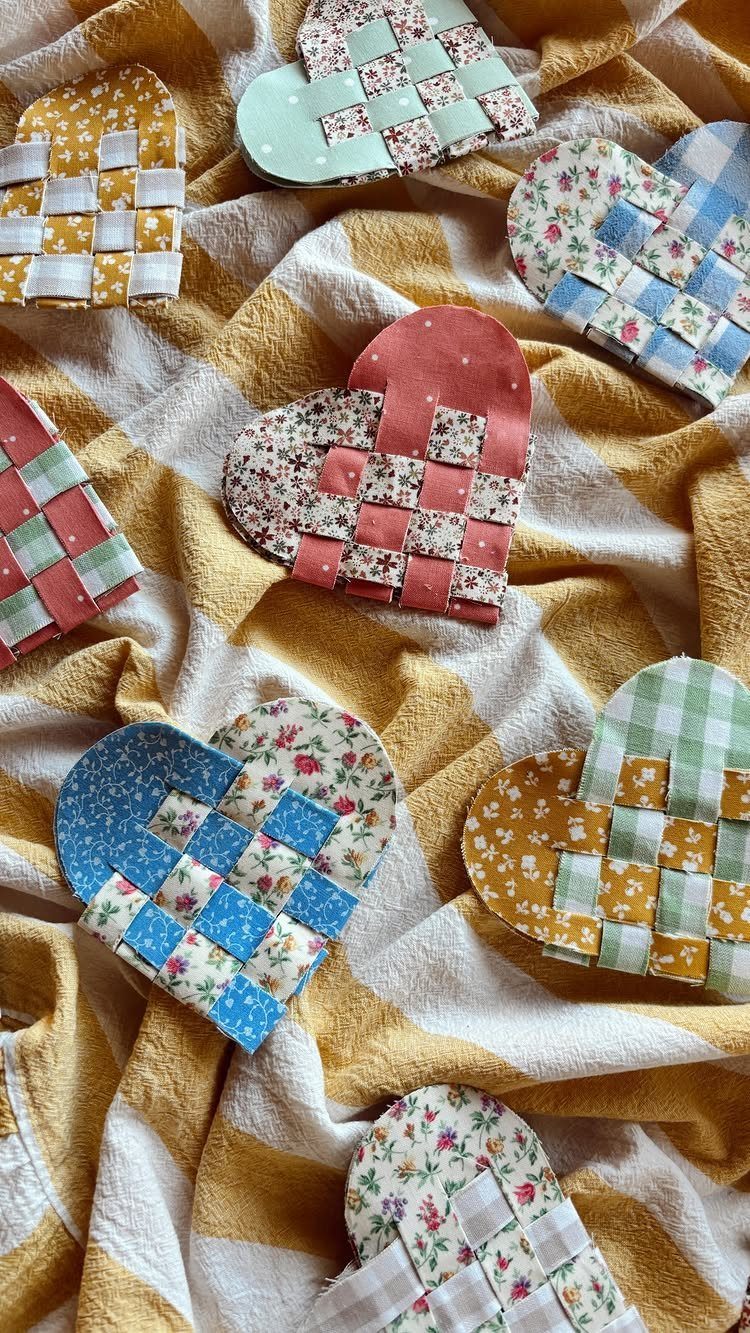
Weaving strips of patterned fabric into a heart shape is paper-heart weaving with cloth, and it uses up scraps well.
Mixed prints look best when the strips vary in scale, so choose a few bold ones and a few small ones.
Fabric frays, so I would stiffen the shape with a backing or glue the strip ends down. Several small hearts in different prints look better as a group than one large one.
17. Beaded Felt Hearts
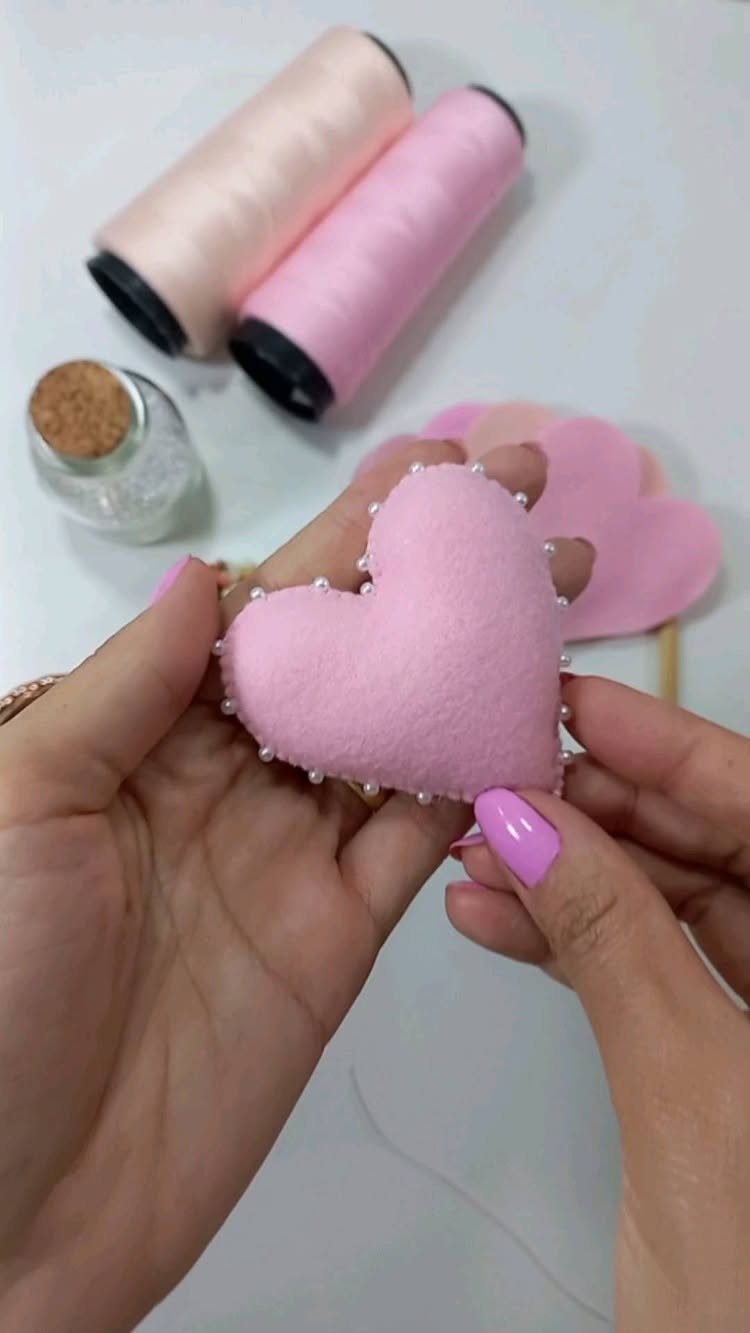
A small felt heart trimmed with white faux pearls is a handful of supplies: felt, thread, and a jar of beads. Cut 2 hearts, sew them together around the edge, and stitch a bead on at every few stitches.
Matching thread to the felt hides the stitching, so the pearls do the decorating.
A pin back turns one into a brooch, a loop of thread makes it an ornament, and a small one tied to a ribbon can stand in for a gift tag.
18. Embroidered Heart Hoop Art
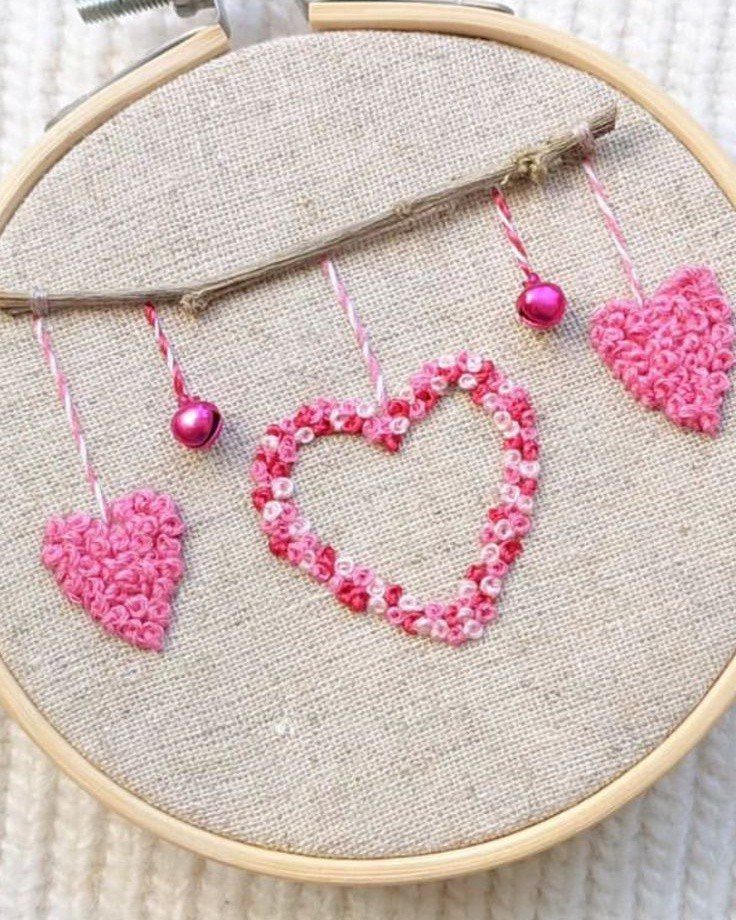
Pink hearts stitched onto beige fabric, with 2 beads hanging from a branch, turn a plain hoop into small wall art. Beige keeps the pink bright, and you can stitch hearts in simple outline if you are new to embroidery.
Tighten the hoop so the fabric stays taut while you sew. A natural branch gives the hoop a hanger, and the beads add a bit of movement.
19. Confetti Heart Gift Box
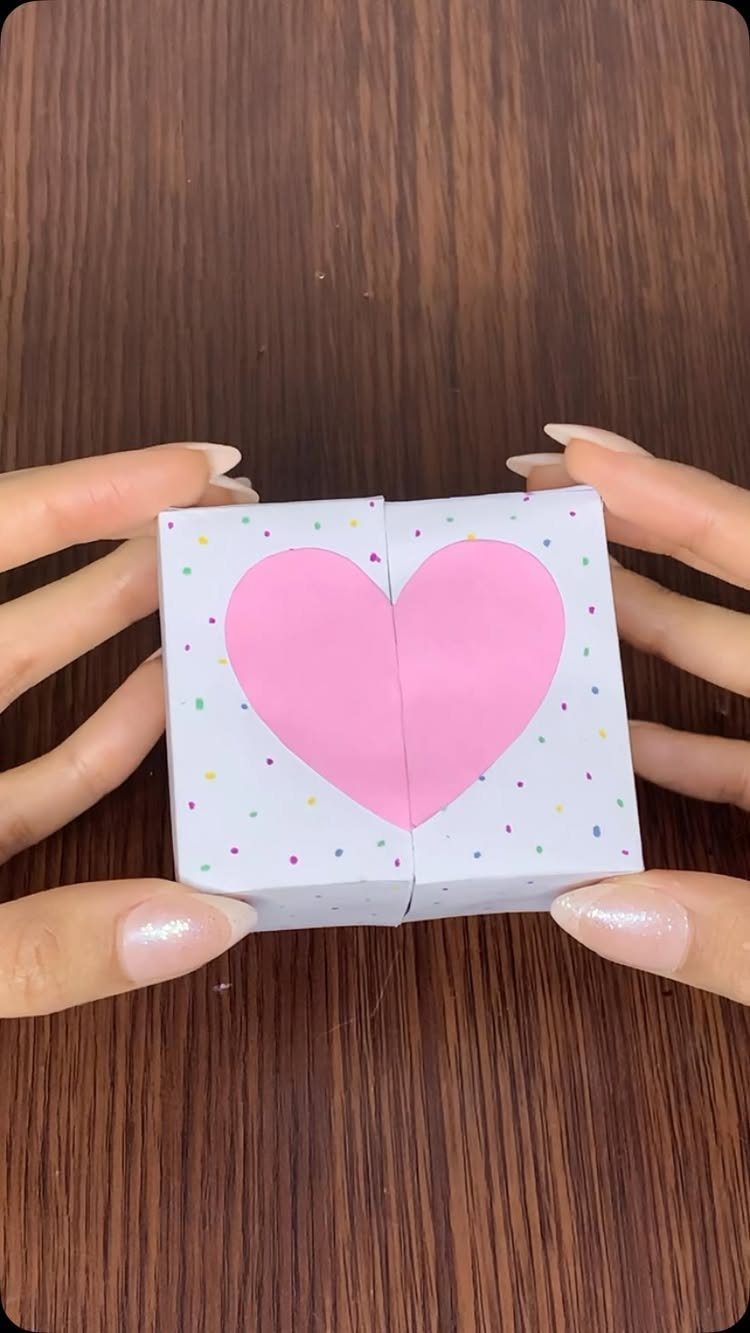
A small white gift box becomes the gift’s first surprise once it is covered in painted confetti dots with a pink heart at the center.
Paint the dots in mixed colors, and keep them spaced apart so the white shows between them.
Let the dots dry before painting the heart, so the colors stay clean. A plain box and a few paint colors are all it costs, and it works for jewelry, candy, or a folded note.
20. Gummy Candy Hot Air Balloon

Gummy candies can build a hot air balloon: red and pink ones packed into a heart shape, with a purple gummy hanging below as the basket. Thin red sticks serve as the ropes joining the two.
Lay the whole thing out on a flat surface before attaching anything. Candy is cheap, and this is a treat that kids can assemble at the table and then eat.
21. Hanging Marbled Paper Hearts
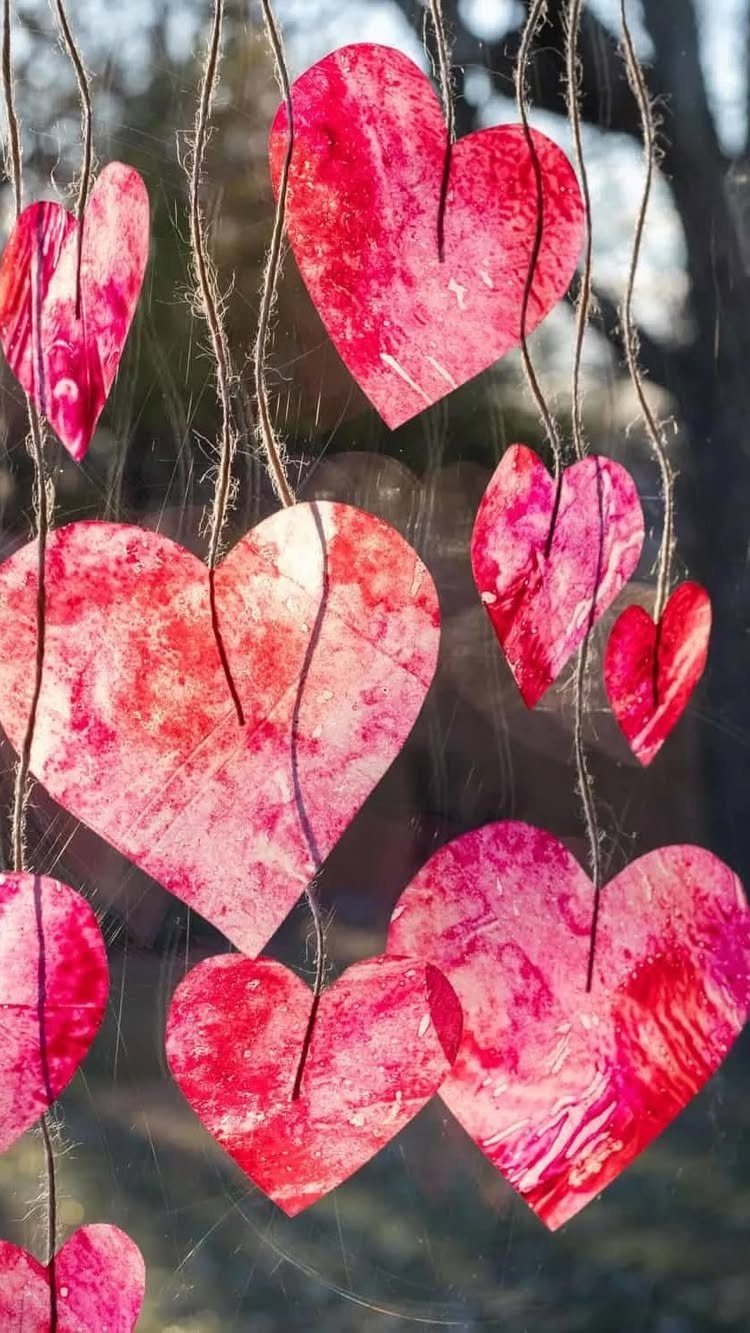
Marbled paper hearts in red and pink need no drawing skill, because the swirls come from the marbling itself. Cut the hearts after the paper dries, so the pattern runs unevenly across each one.
Hang several on brown string at different lengths. I prefer a small group over one lone heart, since the swirls look better in company.
22. Crochet Heart Bag Charm
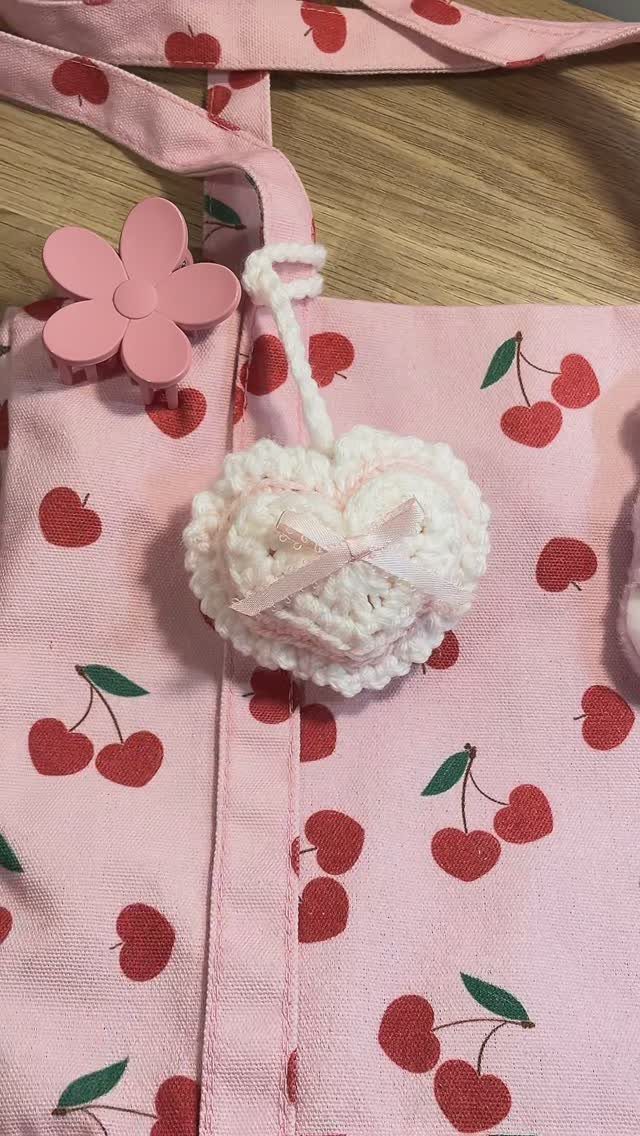
A white crocheted heart with a tiny pink bow clips onto a bag as a charm, and the small size makes it a good second project for anyone who already holds a hook. White yarn shows off the pink bow.
Crochet it tightly so the heart keeps its shape. Attach it by a loop or a clip, and one charm can double as a small Valentine for a friend.
23. Shaped Wire Heart
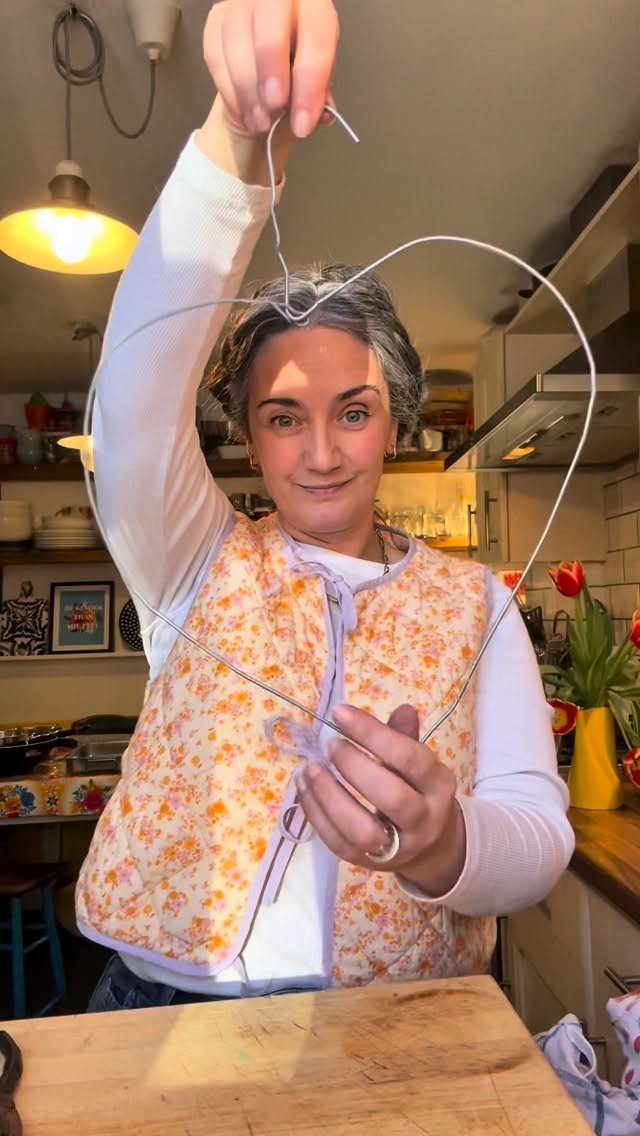
A heart outline bent from thin silver craft wire is about as light as a handmade gift gets. Shape it around a heart-shaped template, such as a cookie cutter, so both sides come out matching.
Twist the ends together to close the shape, and tuck the sharp tip inward.
Thin wire bends easily but kinks if you rework it, so make each bend once. I would keep this one for older kids and adults.
Crafting with Kids
Lay out the glue, scissors and paper on a tray before the kids sit down, since a 5-year-old will lose interest in about 10 minutes of waiting.
Cut the shapes, pour the paint onto plates, and put out only the supplies a project needs; a crowded table slows everyone down.
Cutting, gluing, tearing, and threading all build the small hand muscles kids use for writing, and the choices they make along the way feed creativity.
Let them pick the colors and decide where things go, even when the result looks nothing like yours.
Young kids can work with little supervision on paper, glue, and washable paint. Stay close for anything sharp, hot, or swallowable, such as small beads and buttons.
Materials Needed
A basic kit covers most of what you will make: construction paper, scissors, glue, and a few decorative extras like buttons and glitter. Keep them together in one box so a craft session starts in minutes, not after a search.
Buy red, pink, and white paper first, since those 3 colors carry most Valentine’s projects. Glitter is messy, so work over a tray or a sheet of scrap paper and tip the extra back into the container.
For kids, choose school glue and blunt-tip scissors. Save sharp tools for adults.
Occasions for Crafts
Hearts are the Valentine’s part of a craft, and the technique underneath works year-round. Swap the colors and shapes, and the same project fits a birthday or Mother’s Day.
For a birthday, use the guest of honor’s favorite colors and write their name or age where a message would go. For Mother’s Day, switch to softer shades and add a short note inside.
Valentine’s Day falls on February 14, and I treat it as a day for friends, classmates, neighbors and family as much as for couples. Friends, family, neighbors, and classmates all make good recipients, so make a few extra to give away.
Frequently Asked Questions
What are some easy Valentine’s Day crafts?
Fork-painted tulips, tissue paper pom-poms and painted rocks are three of the easiest.
Fork tulips come together fast: dip the tines in paint, press them down in a row for the bloom, then draw a green stem below with a brush.
Can kids participate in these crafts?
Paper, school glue, and washable paint are safe picks for young kids, and they rarely need more than a quick check-in from an adult.
Anything sharp, hot, or small enough to swallow, like beads and buttons, needs an adult nearby, and blunt-tip scissors are the right pair for kids.